
The Parrot That Forgot How to Fly – The Sad Yet Funny Kakapo
This flightless, heavy, and sweet-smelling parrot is one of nature’s weirdest and most lovable oddballs.

When we think of parrots, we imagine brightly colored birds soaring through the trees, mimicking sounds, and chattering endlessly. But not all parrots fit that picture. Meet the Kakapo — a nocturnal, flightless, and extremely rare parrot found only in New Zealand. With its round body, owl-like face, and peculiar behavior, the Kakapo is truly one of a kind.
It may not fly. It may freeze in fear instead of fleeing. And it may even smell too nice for its own good. But that’s exactly what makes the Kakapo one of the most beloved misfits in the animal kingdom.
A Parrot That Forgot to Fly
The Kakapo (Strigops habroptilus) is the world’s only flightless parrot. Unlike other parrots that have strong wings and a lightweight body, the Kakapo is chunky, weighing between 2 to 4 kg (that’s about the size of a small chicken!). It has short wings, but they’re only useful for balance and short glides—not actual flight.
Why can't it fly? Evolution took a different turn for the Kakapo. For thousands of years, it lived in an environment without natural predators, so flying wasn’t necessary. It preferred walking and climbing trees instead. But that lack of flight became a problem when predators like cats, rats, and stoats were introduced by humans.
Its Defense Mechanism? Freezing Like a Statue
Most birds fly away when scared. Not the Kakapo.
Instead, this quirky bird has a unique defense: it freezes completely when threatened. It trusts its mossy green feathers to blend into the forest background, staying totally still—even if the predator is inches away.
Sadly, this defense works well against hawks… but not so much against mammals that hunt by smell. This strange strategy made it an easy target for introduced predators, which contributed to its near extinction.
A Scent Too Strong
Here’s another weird trait: the Kakapo smells really good.
Its soft feathers release a sweet, musky odor, which helps them attract mates. Unfortunately, that same smell makes them incredibly easy to locate for predators. In a tragic twist of fate, the Kakapo’s perfume became its curse.
Imagine trying to hide but smelling like a flower shop – not ideal when you’re surrounded by hungry animals.
The World’s Most Unusual Love Life
Kakapos also have one of the strangest mating systems in the bird world.
They use a system called "lekking". Males don’t seek out females. Instead, they carve shallow bowls in the ground, then sit and "boom"—a low, vibrating sound that can travel up to 5 kilometers through the forest. It’s like broadcasting a dating profile… in subwoofer mode.
Females then choose their preferred boomer and mate with him. But this only happens every 2 to 4 years, and only when there’s a big fruit season. No wonder the Kakapo population has struggled to grow!
A National Treasure Worth Saving
By the 1990s, there were only 50 Kakapos left in the world.
Thanks to intensive conservation efforts—like protected islands, round-the-clock monitoring, and even individual names and health profiles for each bird—the population has slowly grown. As of now, there are over 250 Kakapos, and each one is tracked, studied, and deeply cared for.
In fact, the Kakapo is so rare that it has its own dating database, and its sperm is preserved in labs for future breeding efforts.
Funny, Fluffy, and Famous
The Kakapo gained international fame after a viral video from the BBC’s "Last Chance to See" series, where a Kakapo named Sirocco jumped on a zoologist’s head and attempted to mate with it on camera. The hilarious moment highlighted just how strange and lovable this bird is.
Today, Sirocco is an official spokesbird for conservation in New Zealand, with fans from all over the world.
Final Thoughts
The Kakapo may be awkward, slow, and unable to fly, but it has something that no other bird does: a story of resilience, uniqueness, and charm. It reminds us that even the strangest creatures deserve love, protection, and a chance to thrive.
Nature doesn’t just create the strong and the fast. Sometimes, it creates the weird, the wonderful, and the wonderfully weird—like the Kakapo.
So, the next time you hear a bird chirping in a tree, remember there’s one out there that can’t even leave the ground… but still manages to fly into people’s hearts.
About the Creator
A building's lifetime climate impact is mostly determined by its daily energy use.
The majority of a building's climate impact is not caused by its construction. As the heating, lighting, and ventilation systems continue to function year after year, it gradually accumulates.
By Francis Dami3 days ago in Earth
Workers Recover 15,000 Crabs After Lorry Crashes Into Field
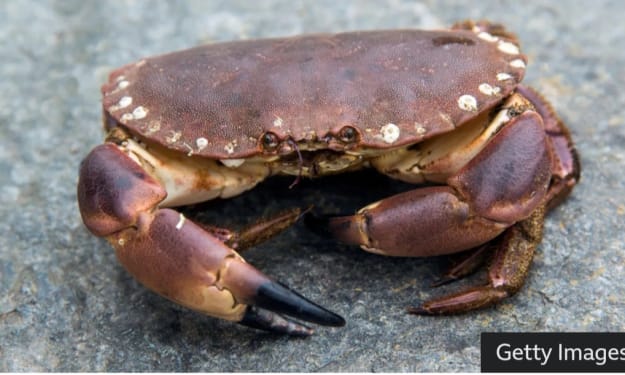
An extraordinary scene unfolded when a lorry carrying an estimated 15,000 live crabs crashed into a field, spilling its cargo across farmland and prompting a large-scale recovery effort. The unusual accident quickly drew attention from local residents, emergency services, and animal welfare groups, as workers scrambled to rescue as many crabs as possible before they succumbed to exposure.
By Aarif Lashari4 days ago in Earth
Ludacris and Nelly draw backlash over bookings at MAGA-coded music festival
Ludacris and Nelly headlining a mostly right-wing event is good for them. It’s also great for the genre of hip hop. The two rap veterans have showcased their talents on other stages. Why can’t they perform for mostly MAGA folks and grab that bag?
By Skyler Saunders3 days ago in Beat



Comments
There are no comments for this story
Be the first to respond and start the conversation.