
THE NATURE WILL DIE
This is the call of time, to preserve the nature. We are turning the heaven into hell.


The world we live in is a beautiful and diverse place, filled with an abundance of natural wonders that have existed for millions of years. From the towering mountains to the vast oceans and the lush forests, nature provides us with the air we breathe, the water we drink, and the food we eat. However, our modern society has come at a cost, as our actions and disregard for nature are pushing it to the brink of destruction. The reality is that if we do not take immediate and decisive action to preserve and protect nature, it will die.
The threats facing nature are numerous and complex, ranging from climate change, deforestation, pollution, and overconsumption of resources. Climate change is one of the most significant threats, and its impacts are already being felt around the world. Rising temperatures, extreme weather events, and rising sea levels are just a few of the consequences of global warming, and they are having devastating effects on ecosystems and species that call them home. Coral reefs, for example, are dying at an alarming rate due to bleaching caused by warming ocean temperatures. These reefs are not only home to thousands of marine species but also provide critical coastal protection to millions of people around the world.
Deforestation is another major threat to nature, and it is estimated that we lose an area of forest the size of a football pitch every second. The destruction of forests is not only damaging for the animals and plants that live within them, but it also has a significant impact on climate change. Forests act as carbon sinks, absorbing carbon dioxide from the atmosphere and storing it in their trees and soils. When forests are cut down or burned, this carbon is released into the atmosphere, contributing to the greenhouse gas emissions that drive climate change.
Pollution is another significant threat to nature, and it is one that affects both land and water. Plastic pollution is a growing concern, with millions of tonnes of plastic waste ending up in our oceans every year. This waste is not only unsightly but also deadly, as marine species can mistake it for food, leading to suffocation or starvation. Water pollution is also a concern, with pollutants such as pesticides, fertilisers, and industrial waste contaminating our rivers and lakes. This pollution not only affects the plants and animals that live within these water bodies but also impacts human health, with polluted water being a leading cause of death and disease worldwide.
Overconsumption of resources is another threat to nature, as our ever-growing population puts an increasing strain on the planet's finite resources. The demand for food, water, and energy is rising rapidly, and if we do not manage these resources sustainably, we risk depleting them beyond repair. This overconsumption also leads to habitat destruction, as more land is needed to grow crops, raise livestock, and extract resources such as minerals and fossil fuels.
The consequences of these threats are far-reaching and have the potential to cause irreparable damage to nature. The loss of biodiversity is one of the most significant impacts, as species become extinct at a rate that is 1,000 times faster than the natural background rate. This loss of biodiversity not only affects the animals and plants that are disappearing but also has wider implications for the ecosystems and services that nature provides. For example, the loss of pollinators such as bees and butterflies not only impacts the plants they pollinate but also affects the food we eat, with over 75% of global food crops relying on pollinators.
Global warming is one of the most pressing threats facing nature, and its impacts are already being felt around the world. The Earth's temperature has risen by 1.1°C since the pre-industrial era, and this increase in temperature is causing a range of environmental and social problems. Climate change is leading to more frequent and severe heat waves, droughts, and extreme weather events such as hurricanes and flooding, which are causing billions of dollars in damages and leading to loss of life.
One of the most significant impacts of global warming is the melting of the world's glaciers and ice caps. These ice masses provide water to millions of people and support unique ecosystems, and their loss would have severe consequences. The melting of the Arctic ice cap is also causing rising sea levels, which are putting coastal communities at risk of flooding and erosion.
Global warming is also causing changes to the timing of seasonal events, such as the timing of the migration of birds and the flowering of plants. This can lead to mismatches between species, with some species being unable to adapt to these changes, which can cause declines in populations and even extinction.
The impacts of global warming are not limited to nature but also have significant social and economic consequences. Climate change is likely to lead to more conflicts over resources such as water and food, as well as more frequent and severe natural disasters, which can displace communities and cause humanitarian crises. It is estimated that climate change could push millions of people into poverty, with the poorest communities being the most vulnerable to its impacts.
To address the threat of global warming, it is essential to take immediate and decisive action to reduce greenhouse gas emissions. This will require a range of measures, including transitioning to renewable energy sources, improving energy efficiency, and reducing the consumption of fossil fuels. It will also require international cooperation, as climate change is a global problem that requires a global response.
In conclusion, global warming is one of the most significant threats facing nature, and its impacts are already being felt around the world. The loss of glaciers and ice caps, changes to seasonal events, and more frequent and severe natural disasters are just a few of the consequences of climate change. To preserve and protect nature, it is essential to take immediate and decisive action to reduce greenhouse gas emissions and address the root causes of global warming. By doing so, we can ensure that nature thrives for generations to come.
About the Creator
Ahmed Ghani
Professional and versatile writer with a natural flair for storytelling. Skilled in crafting compelling and engaging content for any genre or audience.
Keep reading
More stories from Ahmed Ghani and writers in Earth and other communities.
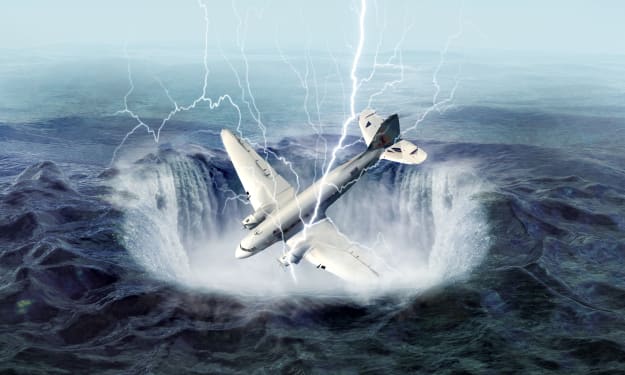
Bermuda Triangle: A Conspiracy
The Bermuda Triangle is a region in the western part of the North Atlantic Ocean, roughly bounded by Miami, Bermuda, and Puerto Rico. The area has gained notoriety for the mysterious disappearance of ships and aircraft. The Bermuda Triangle has been the subject of countless conspiracy theories, with some attributing the disappearances to extraterrestrial activity or secret government experiments. However, a closer look at the evidence suggests that these theories are unfounded.
By Ahmed Ghani3 years ago in Fiction
When Immigration Enforcement Crosses the Threshold: ICE’s Controversial 2025 Memo
In 2025, the U.S. Immigration and Customs Enforcement (ICE) agency released a new internal memo outlining updated guidelines for immigration enforcement. The memo, which has since become highly controversial, addresses the use of force, detention practices, and enforcement priorities, and has drawn scrutiny from lawmakers, human rights advocates, and legal experts alike.
By Aarif Lashari5 days ago in Earth
What We Know About the Winter Storm About to Hit the US—and What We Don’t
A major winter storm is barreling toward the United States, raising concerns from meteorologists, emergency officials, and residents alike. Across large portions of the country, from the southern plains to the Northeast, communities are preparing for heavy snow, ice, and gusty winds. Yet despite advanced forecasting technology, uncertainty remains about the storm’s timing, intensity, and ultimate impact. Understanding what we know—and what we don’t—can help families and local governments make better preparations for the potentially disruptive weather ahead.
By Muhammad Hassan5 days ago in Earth
TUS NUA - ch 49
TUS NUA – ch 49 New Beginnings – Mia and Midnight (*)(*)(*) As Mia spoke on the phone to Ali’s sister, Ellen, Finola slipped quietly away and walked to the stream behind Tus Nua. Carefully, she put a block on her family so no one could know what she was about to do.
By Margaret Brennan2 days ago in Fiction



Comments
There are no comments for this story
Be the first to respond and start the conversation.