
The Maya Were Far More Advanced Than We Thought
The Maya Were Far More Advanced Than We Thought
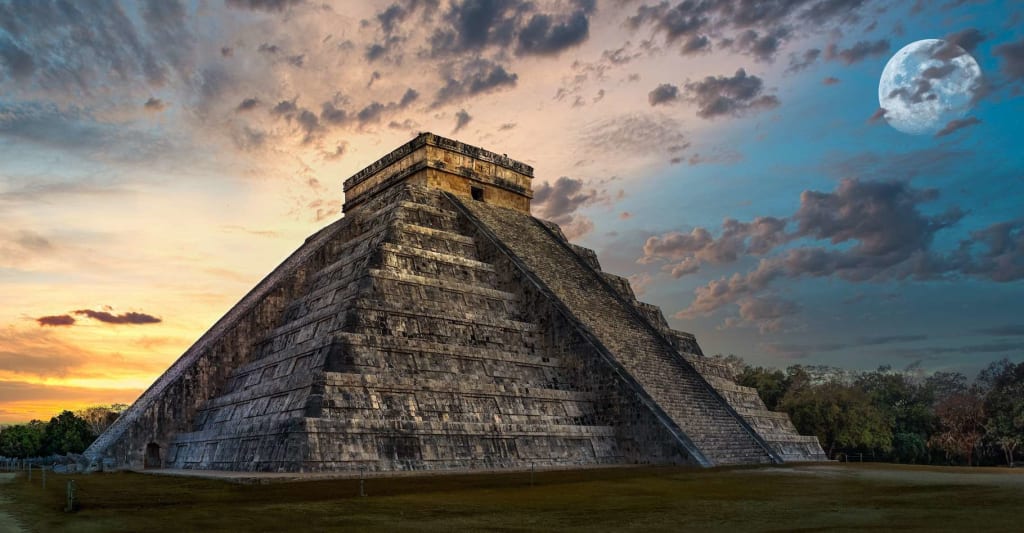
Embark on a journey through time as we delve into the intricate tapestry of the first millennium CE, a period marked by the grandeur of the Roman Empire, the tumultuous Middle Ages, and the flourishing Mayan civilization in Mesoamerica. Recent technological advancements have revolutionized our understanding of history, particularly in unraveling the mysteries of the Mayan civilization. Join us as we explore the dense Guatemalan rainforests and unveil a captivating chapter in human history.
Reimagining Mayan Civilization: The World's First Super Highways:
Traditionally, our perception of the Mayan civilization's origins aligns with the first registered ruins, dating back to the pre-Classic period (1, to 350 BCE). However, groundbreaking archaeological discoveries challenge this narrative. Deep within the Guatemalan rainforests, archaeologists have unearthed a 110-mile network of roads, defying expectations and redefining our understanding of Mayan beginnings.
These colossal roads, resembling 130-ft wide white highways, have been labeled the world's first superhighways. Contrary to the previous notion of small tribal settlements during the pre-Classic period, these roadways suggest a sophisticated civilization with extensive economic and social interactions. This intricate network, resembling a colossal spider web, connected approximately 964 settlements, creating a complex tapestry of Mayan life.
The Engineering Marvels: Mayan Roads and Pyramids:
The construction of these extraordinary roads parallels the Mayans' prowess in pyramid-building. Built with a mixture of mud, quarry stone, and layers of limestone, these roadways showcase the remarkable engineering abilities of the Mayan civilization. The intricate details of their construction highlight the manpower and technological advancements that enabled the creation of these colossal superhighways.
Intriguingly, LiDAR (Light Detection and Ranging) imaging technology played a pivotal role in uncovering this hidden Mayan infrastructure. Comparable to sonar technology used to map the ocean floor, LiDAR employs laser systems to penetrate thick forest canopies, providing archaeologists with an unprecedented view of the ancient landscape. This technological breakthrough has opened new avenues for exploring historical sites that were previously obscured by dense vegetation.
Lost Mayan Cities and Architectural Wonders:
While the discovery of these superhighways offers a glimpse into Mayan connectivity, the fascination with the civilization extends to its well-known cities and architectural wonders. Cities like Tikal, Chichen Itza, and Palenque stand as testaments to the Mayans' advanced understanding of urban planning and monumental construction.
Tikal, nestled in the Guatemalan jungle, served as the ancient Mayan capital, boasting a complex of 12,000 buildings. The North Acropolis, an ancient complex dating back to 350 BCE, housed the resting place of kings and chiefs, featuring monuments towering up to 200 ft.
Chichen Itza, located in Mexico's Yucatan State, mesmerizes with its step-like temple, El Castillo. Standing 80 ft above the ground, this pyramid boasts 91 steps on each side, totaling 365 steps, symbolizing the solar year.
The Lost City of Palenque, believed to have hosted over 6,000 people, harbors mysteries such as the Tomb of the Red Queen. This royal burial site, discovered in 1994, revealed the remains of an ancient Mayan queen accompanied by pearls, jade, and an enigmatic red powder identified as cinnabar, adding an intriguing layer of mystique.
The Enigma of Mayan Decline:
Despite the wealth of discoveries, the decline of the Mayan civilization remains an enigma. Recent research suggests that the decline was not a sudden collapse but occurred in waves of social instability and political crises. Radiocarbon data from ceramics and archaeological excavations at sites like Cabal point to a gradual erosion of Mayan city centers and population dispersion.
Conclusion:
The exploration of Mayan civilization, from the world's first superhighways to the architectural wonders of ancient cities, invites us to rethink our understanding of this remarkable civilization. Technological advancements continue to peel back the layers of history, offering fresh perspectives on the intricacies of human existence in the first millennium CE. As we unveil the mysteries concealed by time, the Mayans' enduring legacy beckons us to ponder the complexities of their societal dynamics and the gradual evolution that marked their fascinating journey through history.
About the Creator
Trump Promised to Cut Energy Bills in Half. One Year Later, Has He Delivered?
One year ago, former President Donald Trump made headlines with a bold promise: he would slash Americans’ energy bills by 50%. The pledge was ambitious, aiming to address the dual challenges of rising utility costs and economic strain on households. As energy prices have continued to fluctuate over the past year, the question on everyone’s mind is simple: has Trump delivered on his promise?
By Muhammad Hassana day ago in Earth
Old Red Cedar
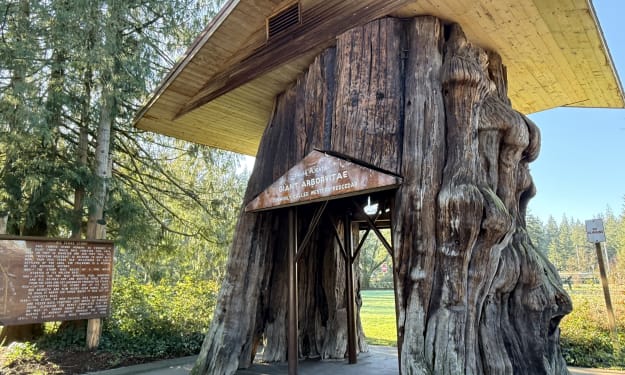
Western red cedar, over 1000 years old, you grew for 200 years and towered over others, silently observing sights in the forest that are no more, your secrets buried within your spirit. The bark covering your tree trunk, said to be about 23 feet around, was hollow when men discovered you. Inside the hollow trunk, a fire somehow began; you cannot tell us when, how, or why, and there is no record of it. The fire caused your death. Slowly, you died, from the inside out. Such a sad loss for an old soul of the forest, with centuries of knowledge in its cells. Houses, watercraft, shingles, bowls, bows and arrows, and paper that men used to write what they knew of your history could have been made from your body, branches, and bark. Truly, fire was a better death for you than a logger’s saw.
By Andrea Corwin about 23 hours ago in Earth



Comments
There are no comments for this story
Be the first to respond and start the conversation.