
The Magnificent Giants
A Comprehensive Guide to Elephants.
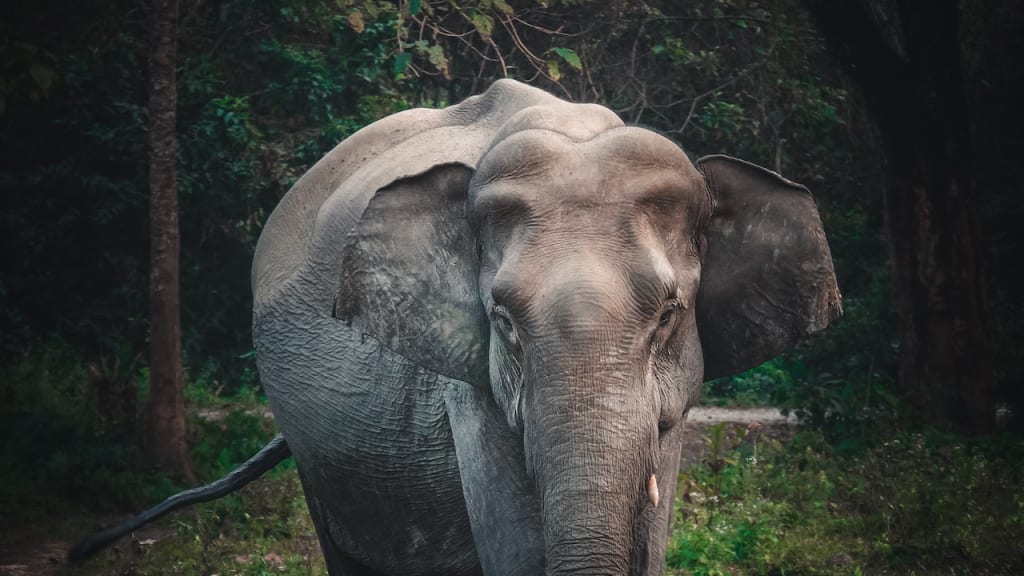
The Magnificent Giants: A Comprehensive Guide to Elephants
Elephants, the largest land mammals on Earth, have captivated human imagination for centuries. With their massive size, intelligent behavior, and unique social structures, elephants are truly magnificent creatures. In this comprehensive guide, we will delve into the world of elephants, exploring their physical characteristics, behavior, and conservation status.
Elephants, the magnificent giants of the animal kingdom, captivate our imaginations with their size, intelligence, and remarkable social behavior. In this comprehensive guide, we delve into the fascinating world of elephants, exploring their physical characteristics, behavior, conservation status, and the threats they face.Elephants are the largest land animals, with the African elephant being the largest of all. They have distinct features, including long trunks, large ears, and elongated incisor teeth called tusks. Their trunks are versatile and serve multiple purposes, such as breathing, drinking, grabbing objects, and even communication. Elephants' thick skin is often gray or brown, and it helps protect them from the sun and insect bites. Their strong legs and padded feet enable them to traverse various terrains, including forests and grasslands, with ease.
Physical Characteristics:
Elephants are instantly recognizable by their enormous size. They belong to the family Elephantidae and are divided into three main species: the African bush elephant, the African forest elephant, and the Asian elephant. Male African elephants can reach heights of up to 13 feet and weigh as much as 12,000 pounds, while Asian elephants are slightly smaller, with males averaging around 10 feet in height and weighing up to 8,800 pounds.
One of the most striking features of elephants is their long trunk, which serves as an all-purpose tool. The trunk is an elongated fusion of the upper lip and nose, allowing elephants to grasp objects, gather food, drink water, and communicate through touch and sound. Additionally, elephants possess large, fan-like ears that help them regulate their body temperature.
Behavior and Social Structure:
Elephants are highly intelligent and social animals, exhibiting complex behaviors and forming tight-knit family groups. They have a matriarchal society, with a female elephant known as the matriarch leading the herd. The matriarch is usually the oldest and most experienced female, guiding the herd in search of food, water, and suitable habitats.
Elephants communicate using a variety of vocalizations, such as trumpeting, rumbling, and roaring, as well as through physical gestures and body language. They have a remarkable memory and are known to form strong emotional bonds within their family units, showing empathy and compassion towards each other.
Conservation Status:
Despite their cultural significance and ecological importance, elephants face numerous threats in the wild. Habitat loss due to human encroachment, poaching for ivory, and conflicts with local communities are the primary challenges they encounter.
The African elephant population has been significantly impacted, with both the bush and forest elephants listed as vulnerable and endangered, respectively, by the International Union for Conservation of Nature (IUCN). Asian elephants, although still facing threats, have a relatively larger population, classified as endangered by the IUCN.
Efforts are being made worldwide to protect elephants and their habitats. Conservation organizations work tirelessly to combat poaching, promote anti-trafficking measures, and establish protected areas for elephants to thrive. International bans on ivory trade have been implemented, and awareness campaigns have been successful in educating the public about the importance of elephant conservation.
Conclusion:
Elephants are truly magnificent giants, representing power, wisdom, and resilience. Their physical characteristics, intelligent behavior, and complex social structures make them one of the most fascinating creatures on our planet. However, their survival is under threat, and it is our responsibility to ensure their protection.
By supporting conservation initiatives, spreading awareness, and promoting responsible tourism, we can contribute to the conservation of elephants and help secure their future. Let us appreciate and celebrate these incredible animals, working together to safeguard their place in our world as the true giants of the land.
About the Creator
Ayaanahamed
Blogs Writer......
Keep reading
More stories from Ayaanahamed and writers in Earth and other communities.
Monkey Evolution
Monkeys, with their agile limbs, curious nature, and expressive faces, have captivated our imagination for centuries. These fascinating creatures are not only beloved for their playful antics but also serve as a window into our own evolutionary history. Exploring the ancestral origins of monkeys offers valuable insights into the evolutionary journey that led to the emergence of our primate relatives.
By Ayaanahamed3 years ago in Earth
Temperatures Tomorrow Thursday Drop to Minus 15 Below Zero
Temperatures Tomorrow Thursday Drop to Minus 15 Below Zero Extreme winter conditions are expected tomorrow, Thursday, as temperatures fall to minus 15 below zero. This level of cold is considered severe and can disrupt daily life, transportation, and personal safety. When temperatures reach this extreme, preparation becomes essential, not optional. Understanding the impact of such cold weather helps people make better decisions and stay safe.
By America today 2 days ago in Earth
GWR Confirms ‘Major Investment’ with Office Lease: What It Means for Plymouth and the South West
Great Western Railway (GWR) has confirmed a major long-term investment in Plymouth by securing a significant city-centre office lease close to the railway station. While the announcement may sound like a routine property deal on the surface, it actually signals something much bigger — a vote of confidence in the city, a boost for local regeneration, and a clear statement about the future direction of rail-led development in the South West.
By Muhammad Hassan4 days ago in Earth
Rachel Reviews: The Spiral Archive by Pieter Hendrik
It's difficult for me to know where to start with a review of this book as it was, for me, an entirely unique experience and one that I'll probably never have again. I don't want that to be interpreted as unenjoyable but it has left me scratching my head a little and ruminating on its content, its themes and its characters.
By Rachel Deeming5 days ago in BookClub


Comments
There are no comments for this story
Be the first to respond and start the conversation.