
The Magic of Rainbows: Science, Symbolism, and Wonder
How rainbows captivate the human imagination and inspire awe across cultures, nature, and science.
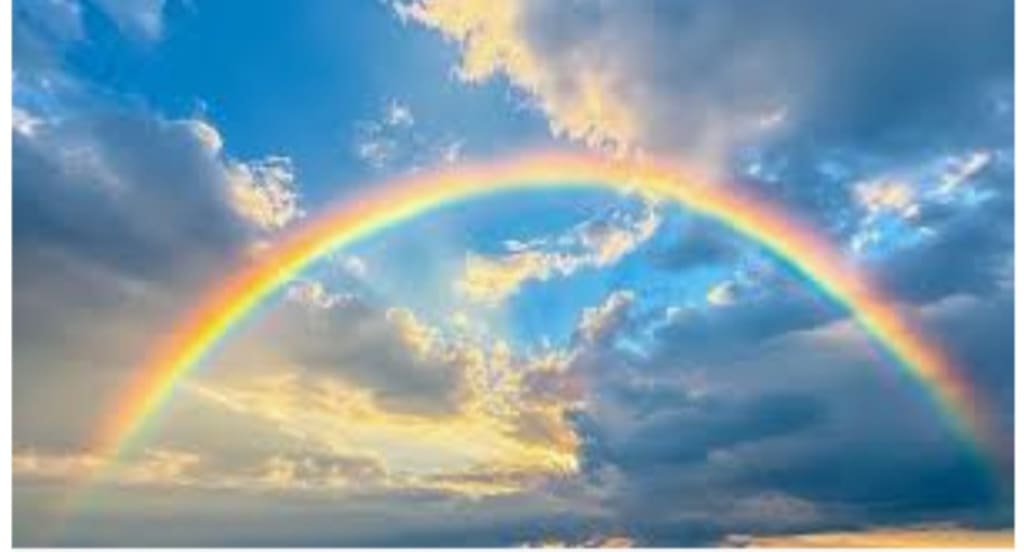
Few natural phenomena inspire as much wonder and fascination as the rainbow. Its delicate arc of colors stretching across the sky has captured the attention of poets, scientists, and dreamers for centuries. Beyond their visual beauty, rainbows carry profound meanings in science, mythology, and culture. Understanding what creates them and why they continue to inspire people offers a glimpse into the intersection of nature, perception, and human imagination.
The Science Behind the Spectrum
At its core, a rainbow is a meteorological and optical phenomenon caused by the interaction of sunlight with water droplets in the atmosphere. When sunlight enters a raindrop, it slows down and bends — a process called refraction. Inside the droplet, the light reflects off the back surface and exits, bending again as it leaves. This bending and reflection separate sunlight into its constituent colors: red, orange, yellow, green, blue, indigo, and violet.
The order of these colors is consistent because each wavelength of light bends at a slightly different angle. Red, with the longest wavelength, bends the least, while violet, with the shortest, bends the most. This separation of light is called dispersion, and it’s why we see distinct bands in a rainbow rather than a uniform white glow.
Rainbows typically appear as semi-circular arcs because of the geometric relationship between the observer, the sun, and the raindrops. In rare cases, if the observer is at a high vantage point, such as an airplane, a full circular rainbow can be visible. Secondary rainbows — fainter and reversed in color order — occur when sunlight undergoes two internal reflections within the raindrop instead of one.
Rainbows Across Cultures
Rainbows have held symbolic and cultural significance for millennia. In many traditions, they are viewed as bridges between worlds. For example:
In Norse mythology, the rainbow Bifröst connected Earth to Asgard, the realm of the gods.
In Greek mythology, Iris, the goddess of the rainbow, served as a messenger between humans and gods.
In Judeo-Christian texts, the rainbow is a symbol of hope and divine promise, appearing as a covenant after the Great Flood.
Across indigenous cultures worldwide, rainbows are often seen as symbols of renewal, fertility, and harmony. Their sudden appearance after storms, combining beauty with fleeting impermanence, has inspired countless stories, artworks, and rituals.
The Psychology of Rainbows
Beyond cultural symbolism, rainbows affect human psychology. Their vibrant colors and transient nature often evoke feelings of joy, wonder, and hope. Studies in color psychology suggest that bright and contrasting colors can uplift mood, reduce stress, and stimulate creativity.
Rainbows also resonate with humans because they represent balance and order in chaos. After a storm, the appearance of a rainbow signals calm, clarity, and natural beauty. For children and adults alike, witnessing a rainbow often inspires curiosity and imagination, prompting questions about how it forms and what it means.
Rainbows in Modern Symbolism
Today, the rainbow has become a powerful symbol beyond nature and mythology. Perhaps most notably, it has been adopted as a symbol of diversity, inclusivity, and pride by the LGBTQ+ community. The rainbow flag, designed by Gilbert Baker in 1978, represents the spectrum of human identity and the celebration of individuality within a community.
In art, literature, and media, rainbows frequently signify hope, transformation, and the bridging of differences. From advertising campaigns to films, the imagery of a rainbow instantly conveys positivity and unity, resonating universally.
Rare and Unique Rainbow Phenomena
While most people are familiar with the classic rainbow, nature offers some rarer variations:
Supernumerary Rainbows: These faint additional arcs appear just inside the main rainbow and are caused by the interference of light waves.
Moonbows: Formed by the light of the moon rather than the sun, moonbows are often seen at night and appear in subtle white or pastel shades.
Fogbows: These occur when light interacts with tiny water droplets in fog rather than rain, producing a nearly colorless arc that looks ghostly.
Reflection and Refraction Rainbows: Rainbows can reflect off lakes or puddles, creating mirrored arcs that enhance their beauty.
These rarities remind us that even the most familiar natural phenomena have nuances that continue to surprise and delight observers.
Rainbows and Environmental Awareness
Rainbows can also remind us of the delicate interplay between light, water, and the environment. Their formation depends on the presence of moisture and sunlight, making them subtle indicators of weather conditions. For photographers and environmental enthusiasts, rainbows are often a reminder to observe and appreciate nature’s intricate systems.
Furthermore, their fleeting nature emphasizes the importance of preserving natural landscapes. Storms, sunsets, and water sources all contribute to rainbow formation, highlighting the interconnectedness of ecosystems.
Experiencing a Rainbow
The experience of witnessing a rainbow is universal, yet deeply personal. Many people recall seeing their first rainbow as a moment of wonder or inspiration. Scientific curiosity often follows emotional awe, with questions about color, angles, and light prompting learning and exploration.
Artists, writers, and scientists alike have drawn from rainbows, turning them into metaphors, studies, and artistic expressions. From Isaac Newton’s experiments with prisms to contemporary photography capturing fleeting arcs, the rainbow has been a bridge between observation and creativity.
Conclusion: More Than Just Colors in the Sky
Rainbows are much more than a meteorological curiosity. They are a fusion of physics, psychology, culture, and imagination. Their appearance signals not only the end of a storm but also the enduring power of beauty, diversity, and hope.
Whether viewed through the lens of science, folklore, or modern symbolism, the rainbow continues to captivate hearts and minds. It reminds us that even in times of turbulence, there is potential for harmony, wonder, and brilliance. In every arc of red, orange, yellow, green, blue, indigo, and violet, the rainbow embodies the promise that the natural world, in all its complexity, can inspire awe and teach us lessons of resilience, unity, and joy.
In short, the rainbow is a timeless testament to the magic that emerges when light and water dance in perfect harmony — a reminder to pause, look up, and marvel at the wonders that surround us.
About the Creator
Keep reading
More stories from Ayesha Lashari and writers in Earth and other communities.
Cypro Banker Adversaries: How Cyber Threats Are Challenging Banks and Financial Systems
In the digital age, the banking sector has become a prime target for cyber adversaries — groups and individuals seeking to exploit vulnerabilities for financial gain, espionage, or disruption. Cypriot banks, despite their reputation as a stable financial hub, are not immune to these threats. The term “Cypro banker adversaries” captures the growing spectrum of cyber attacks, ranging from ransomware and malware campaigns to complex state-linked operations targeting banks in Cyprus and beyond.
By Ayesha Lashariabout 5 hours ago in Earth




Comments
There are no comments for this story
Be the first to respond and start the conversation.