
The Looming Water Crisis
A Global Challenge Requiring Urgent Action

Introduction:
In a world confronted by an array of complex issues, few challenges are as pressing and potentially devastating as the impending water crisis. The scarcity of fresh water, once a distant concern, has rapidly emerged as a global predicament with far-reaching implications. This article aims to shed light on the gravity of the water crisis, its underlying causes, and the urgent actions required to mitigate its consequences.
The Escalating Crisis:
Access to clean water, an essential human right, is slipping away for millions worldwide. The severity of the water crisis can be attributed to a multitude of factors, including population growth, climate change, and unsustainable water management practices. Rapid urbanization, coupled with inefficient agricultural methods and industrial demands, has placed immense strain on the already limited water resources.
Causes and Consequences:
Population Growth: The exponential growth of the global population has exerted immense pressure on water resources. As more people compete for limited supplies, the demand for water escalates, exacerbating the crisis.
Climate Change: Rising temperatures, erratic weather patterns, and prolonged droughts are direct consequences of climate change. These factors have disrupted precipitation patterns, accelerated glacial melt, and depleted groundwater reservoirs, aggravating the water crisis.
Unsustainable Practices: Inefficient agricultural practices, such as excessive water usage and inadequate irrigation techniques, contribute significantly to the crisis. Similarly, industries that discharge pollutants into water bodies further compromise their quality and availability.
The consequences of the water crisis are wide-ranging and profound. Lack of access to safe drinking water leads to the proliferation of waterborne diseases, causing a significant health burden, particularly in impoverished regions. Moreover, water scarcity intensifies social and economic disparities, triggering conflicts over resources and impeding socioeconomic development.
Urgent Action Required:
Addressing the water crisis necessitates a comprehensive and collaborative approach involving governments, businesses, communities, and individuals. The following actions are critical to mitigating the impact of the crisis:
Water Conservation and Efficiency: Implementing efficient water management practices, including the adoption of sustainable agricultural techniques and water recycling methods, can significantly reduce water waste and enhance efficiency.
Infrastructure Investment: Governments must prioritize investment in water infrastructure, such as dams, reservoirs, and pipelines, to optimize water distribution and storage. Moreover, improving sanitation systems is crucial to prevent water contamination and mitigate health risks.
Climate Change Mitigation: Combating climate change is paramount to mitigate the water crisis. Reducing greenhouse gas emissions, transitioning to renewable energy sources, and promoting afforestation are essential steps in stabilizing weather patterns and safeguarding water resources.
International Cooperation: Given the global nature of the water crisis, international collaboration is vital. Countries must share best practices, engage in technology transfer, and provide financial aid to regions grappling with water scarcity.
Awareness and Education: Raising public awareness about water conservation, hygiene practices, and sustainable water management is crucial. Education programs can empower communities to adopt responsible behaviors and inspire collective action.
Conclusion:
The water crisis poses a formidable challenge that demands urgent attention. Without concerted efforts, the repercussions on human health, social stability, and economic prosperity will be dire. By addressing the underlying causes, promoting sustainable practices, and fostering international cooperation, we can navigate this crisis and secure a sustainable future for generations to come. Let us recognize the gravity of the situation and take immediate action to ensure access to clean water remains a fundamental right for all.
About the Creator
Keep reading
More stories from Pearl Afeletey and writers in Earth and other communities.
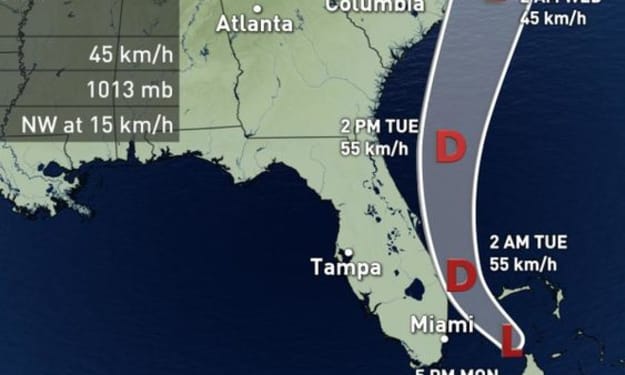
Hurricane Forecasters Predict Tropical Depression in the Atlantic
Introduction When the skies darken, the winds howl, and the oceans churn, one group of individuals emerges as the unsung heroes, tirelessly working to provide crucial insights and predictions: hurricane forecasters. These dedicated scientists employ a blend of cutting-edge technology, historical data analysis, and meteorological expertise to forecast the intensity, trajectory, and potential impact of hurricanes. In the ever-changing landscape of weather patterns, their predictions serve as lifelines for communities in the path of impending storms. In this article, we delve into the fascinating world of hurricane forecasters and shed light on their vital role in safeguarding lives and property.
By Pearl Afeletey3 years ago in Earth
Stanislav Kondrashov Oligarch Series: Oligarchy and Global Supergrids in the Next Phase of the Energy Transition
The global energy transition is entering a new and complex phase. While early discussions focused primarily on renewable technologies such as solar panels, wind turbines, and battery storage, the next stage of transformation is increasingly centered on infrastructure. Among the most ambitious ideas shaping this evolution is the concept of **global supergrids**—vast electricity networks designed to connect distant regions through high-capacity, long-distance transmission systems.
By Stanislav Kondrashov 6 days ago in Earth
Worth the Wait: Puerto Viejo, Costa Rica
Beach bumming in a small Caribbean beach town sounded like a perfect way to end our 6-month trip through Mexico and Central America. Or so we thought. The foul, fishy stench of rotten seaweed hit our nostrils as we stepped from the cramped bus and looked out at a rather depressing, empty, and underwhelming black sand beach. It was pouring with rain, and we had to quickly fish out our ponchos. We thought, this couldn’t be it, could it?
By Sh*t Happens - Lost Girl Travel6 days ago in Wander



Comments
There are no comments for this story
Be the first to respond and start the conversation.