
The Long Shadow: How the Russia-Ukraine War Changed the World
From battlefield trenches to global inflation, the 21st century’s most defining conflict continues to reshape politics, economies, and lives far beyond Eastern Europe.

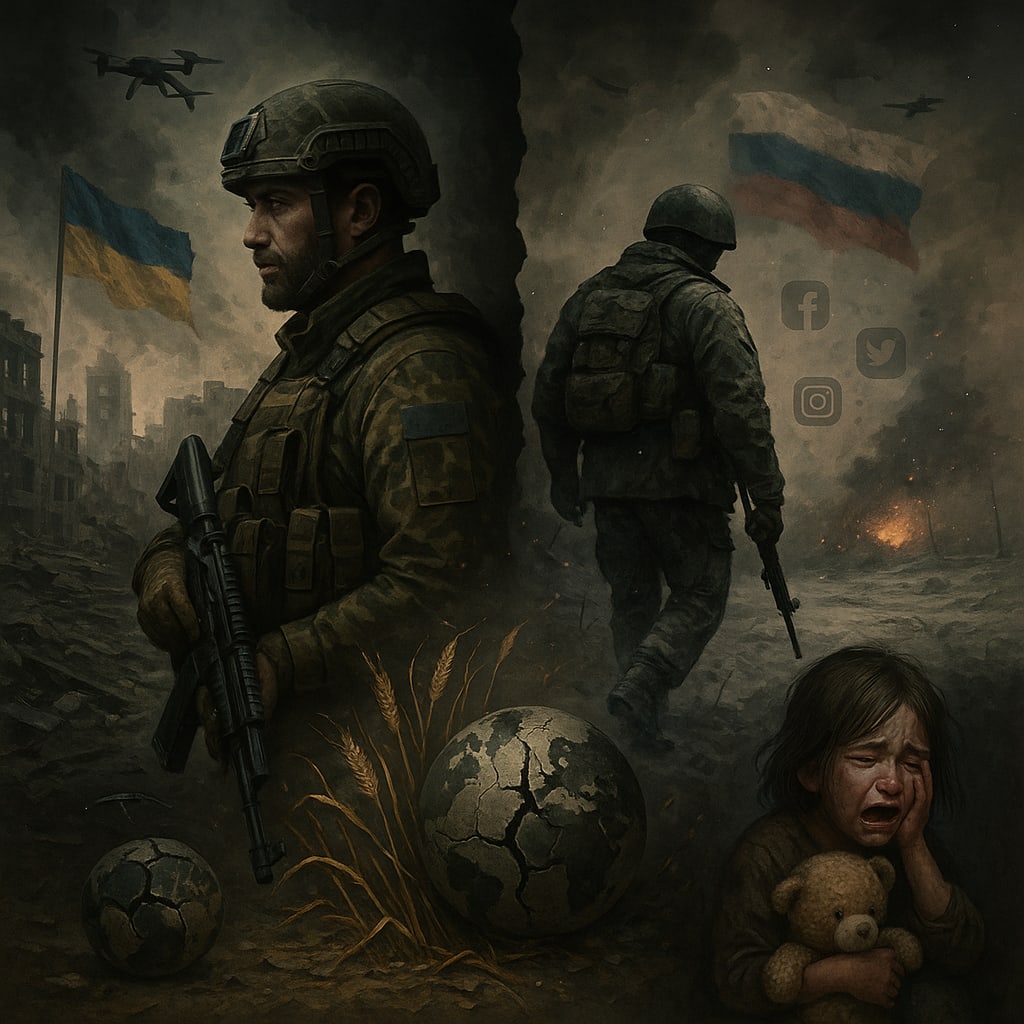
The Long Shadow: How the Russia-Ukraine War Changed the World
On February 24, 2022, the world awoke to a harsh new reality. Russia, under President Vladimir Putin, had launched a full-scale invasion of Ukraine. What many thought would be a swift operation turned into a long, brutal war that would have ripple effects across continents, from the cost of bread in Cairo to the energy bills in London.
This article explores how this conflict began, why it persists, and how it continues to reshape our modern world.
A Conflict Decades in the Making
Though the invasion shocked much of the international community, the seeds of this war were planted long ago. After the Soviet Union collapsed in 1991, Ukraine gained independence. But Russia, under successive leaders, especially Putin, never quite accepted Ukraine’s westward tilt—toward democracy, NATO, and the European Union.
The annexation of Crimea in 2014 and the conflict in eastern Ukraine were early signs that Russia would not let go of its sphere of influence quietly. Yet the 2022 invasion was of an entirely different scale and ambition.
Ukraine’s Resilience Surprised the World
Many believed Kyiv would fall within days. Instead, Ukraine’s military and civilian population rose to the challenge with remarkable resistance. From President Volodymyr Zelensky’s defiant videos in the capital to grandmothers handing out Molotov cocktails, Ukraine captured the world’s imagination.
Western nations responded with weapons, aid, and sanctions. Javelin missiles, HIMARS, and air defense systems flowed in. But more than equipment, it was the Ukrainian spirit that became the backbone of their survival.
A Global War Without Borders
Though the fighting takes place in Ukrainian fields and cities, its consequences are truly global.
Economic Shockwaves
The war has disrupted global supply chains, especially food and energy. Ukraine is one of the world’s largest grain exporters, and Russia a major energy supplier. As ports were blocked and sanctions tightened, fuel prices soared, inflation rose, and developing countries faced food shortages.
Energy Crisis in Europe
Europe, once dependent on Russian gas, scrambled to diversify energy sources. This sudden shift triggered blackouts, price spikes, and a renewed focus on green energy alternatives.
The New Cold War
Diplomatically, the war has brought a return to Cold War-style alignments. NATO has been reinvigorated, with Finland and Sweden seeking membership. Meanwhile, Russia has deepened its ties with China, Iran, and other nations opposed to Western dominance.
The Human Cost
Behind the headlines are millions of stories of suffering. Over 10 million Ukrainians have been displaced—some fleeing abroad, others living in makeshift shelters within the country. Cities like Mariupol and Bakhmut have become symbols of destruction and resilience.
Reports of war crimes, attacks on civilians, and the use of torture have shocked the conscience of the international community. Meanwhile, thousands of Russian families quietly mourn young soldiers lost in a war they may not fully understand.
Social Media: A Battlefield of Truth and Lies
This is also a war of narratives. Social media has played a dual role—raising awareness and spreading misinformation. TikTok videos from the front lines, drone footage of battles, and propaganda from both sides flood platforms daily.
It’s a reminder that in the digital age, truth is as contested as territory.
Will Peace Ever Come?
As of now, peace feels distant. Multiple attempts at negotiations have failed. Each side believes it has more to gain by fighting on. For Ukraine, it’s about survival and sovereignty. For Russia, it’s about pride, power, and control.
But history teaches us that all wars end eventually—sometimes by diplomacy, sometimes by exhaustion.
Lessons for the Future
The Russia-Ukraine war is not just about borders or nationalism. It's about the kind of world we want to live in. One where large powers can redraw maps by force—or one where international law holds.
It reminds us of the fragility of peace and the price of complacency. And as the world watches, one truth becomes clear: the war in Ukraine is not just Ukraine’s war. It is a test of humanity’s values in the 21st century.
Final Thought
As the war grinds on, we must remember that behind every headline is a family torn apart, a child who can’t sleep at night, a city reduced to rubble. The best way to honor their struggle is not only to stay informed—but to care, speak up, and support the cause of peace and justice, wherever it's needed.
About the Creator
Wings of Time
I'm Wings of Time—a storyteller from Swat, Pakistan. I write immersive, researched tales of war, aviation, and history that bring the past roaring back to life
Keep reading
More stories from Wings of Time and writers in Earth and other communities.
Whispers in the Trenches
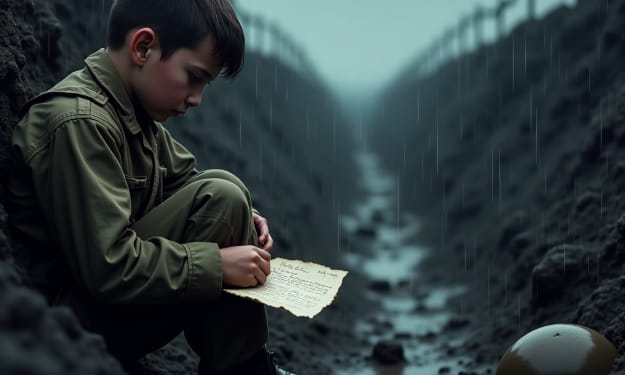
Whispers in the Trenches France, 1916 — Somme Battlefield The air stank of mud, blood, and burnt dreams. Rain poured for the third day, turning the trenches into open graves. Private Thomas Redding sat with his back against the wall of sodden earth, fingers trembling as he clutched a pencil stub.
By Wings of Time 6 months ago in Earth
El Niño is likely to return in 2026. Here's what that means for Houston and Texas.
La Niña has been active since mid-October. However, according to the January update from the National Oceanic and Atmospheric Administration, it’s likely to end over the next couple of months, and a transition to El Niño is likely to occur later this year.
By Dena Falken Esq3 days ago in Earth
Icy Chaos in Central and Eastern Europe
Winter has unleashed its fury across central and eastern Europe, leaving travelers frustrated and transport networks struggling to keep up. Over the past few days, freezing rain and ice have wreaked havoc on airports, train stations, and highways — forcing flight diversions, delaying trains, and making roads treacherously slippery. From Vienna to Budapest, Prague to Bratislava, this icy grip has brought travel to a near standstill. Let’s take a closer look at what’s happening, how it’s affecting people on the move, and what it tells us about winter travel in Europe. A Sudden Winter Blow A sudden wave of freezing rain swept across the region, coating runways, rail tracks, and roads with a dangerous layer of ice. Major airports in Austria, Hungary, Slovakia, and the Czech Republic were particularly affected. At Vienna International Airport, operations were temporarily suspended when runways became too slick for flights to land safely. Travelers already in the air had to divert to alternative airports in Munich, Frankfurt, and Venice. Meanwhile, Budapest’s Ferenc Liszt International Airport paused all arrivals and departures, and Prague’s Václav Havel Airport continued operating but at limited capacity. Trains Crawling Through Ice Rail networks weren’t spared. Across Austria, Hungary, and the Czech Republic, ice on tracks and power lines caused delays and cancellations. Austria’s national rail operator, ÖBB, urged passengers to postpone non-essential journeys. In the Czech Republic, travelers at Prague’s main station faced long waits as trains struggled to maintain schedules. Hungary’s tram and suburban rail services were temporarily suspended due to ice buildup on power lines. This combination of black ice, frozen switches, and heavy snowfall has tested the limits of winter infrastructure in Europe. Roads Turn Into Skating Rinks The icy weather didn’t just affect public transport — roads became treacherous, too. Authorities in Slovakia and the Czech Republic warned residents to avoid non-essential travel as highways turned into slippery skating rinks. Accidents and minor collisions were reported, and emergency services were busy responding to dozens of injuries from slips and falls. Even schools weren’t immune: parts of Romania shifted to online learning, keeping children safe during the extreme temperatures, which dropped to around -13°C in some areas. Why This Weather Is So Disruptive Meteorologists point to several factors that made this storm particularly severe: Freezing rain on top of existing snow creates an icy layer that’s extremely hard to clear. Rapidly refreezing surfaces make conditions unpredictable. Temperatures hovering around freezing prevent efficient melting during the day. This “perfect storm” scenario underscores just how vulnerable transport systems are to extreme weather. Even well-prepared airports and rail networks can struggle when weather transitions from snow to freezing rain. Voices From the Ground Passengers took to social media to express their frustration: Crowded airports as travelers scrambled to rebook flights. Train stations packed with delayed commuters, unsure when the next train would depart. Warming centers opened to provide shelter and hot drinks for stranded travelers. For many, a simple trip turned into a test of patience and resilience. Tips for Traveling in Freezing Conditions If you must travel during winter storms, experts recommend: Check flight and train schedules regularly, as delays can change quickly. Allow extra time for travel to avoid missing connections. Consider travel insurance that covers weather-related disruptions. If driving, carry winter essentials: blankets, food, water, and check road conditions before departure. Most importantly, prioritize safety over schedules — icy conditions can change rapidly, making travel risky. A Reminder From Winter This recent chaos in central and eastern Europe serves as a stark reminder of how interconnected transport systems are, and how vulnerable they can be to extreme weather. Flights grounded, trains stalled, and highways turned icy show that winter can bring travel to a halt — sometimes with very little warning. As Europe continues to face volatile winter conditions, travelers and authorities alike are reminded: preparation and flexibility are key. Sometimes, the weather truly has the final say. ❄️🛫🚆
By Muhammad Hassan3 days ago in Earth
Center Stage with Paul Stewart
*** I'm keen to republish the interviews I did for my series with Vocal creators. It's been a few years and I thought it might be nice to revisit these wonderful conversations. I'll be releasing them one at a time for a few weeks/months.
By Heather Hublera day ago in Interview



Comments
There are no comments for this story
Be the first to respond and start the conversation.