

When the storm hit, the snow fell so fast it was as if the world beyond our windows had disappeared. It started gently enough, soft flakes coating the countryside, the kind of snowfall that makes you want to curl up by the fire with a hot drink. But by midnight, it had turned into a full blizzard. Wind howled through the trees, rattling the windowpanes, and each gust shook the walls of our little cabin.
My wife, Sarah, and I had always loved the isolation of living out here in the rural hills, miles away from town. When we moved in five years ago, we embraced the challenge of winters, making sure to stock up on firewood, canned food, and emergency supplies every year. But this storm was different. By dawn on the second day, it became clear that we were in for a long, brutal fight with nature.
The first sign that we might be in trouble was when the power went out early that morning. We were prepared with candles and a generator, but with the snow piling up outside and blocking our way to the shed where the spare fuel was stored, we knew we’d have to use it sparingly. We quickly fell into a rhythm—lighting the woodstove, warming canned soup on the flames, and trying to keep ourselves busy by telling stories to pass the time. But as the hours dragged into days, the silence and isolation began to settle over us like a second layer of snow.
On the third day, the generator died. Sarah and I wrapped ourselves in layers, donning every sweater and blanket we owned to try to keep the chill at bay. We spent most of the day huddled around the woodstove, feeding it log after log. The radio, which had been our one connection to the outside world, announced in a staticky voice that emergency services were overwhelmed and roads were impassable. It felt like we were on our own.
That night, as I lay beside Sarah, I could feel her shivering, her breath visible in the cold room. We whispered to each other, our voices breaking the silence. “We’re going to be okay,” I told her, trying to sound confident, but my heart was pounding in my chest. She squeezed my hand, giving me a weak smile, but we both knew it was only getting colder, and our wood supply was dwindling fast.
The fourth day came and went, each hour dragging slower than the last. Snow drifts had swallowed up the windows, and we could barely see outside. I ventured to the door once, opening it just a crack, but all I saw was a wall of white. The wind cut like a knife, freezing my face, so I quickly shut it again.
By the fifth day, our supplies were dangerously low. I rationed out the last of the canned food, splitting a small can of beans and a few crackers between us. We both ate in silence, the hunger gnawing at us more with each bite. Our last bit of wood went on the fire that evening, and we wrapped ourselves in blankets, the chill settling deep into our bones.
The nights were the hardest. I could hear Sarah breathing beside me, each shallow breath a reminder of how fragile our situation had become. The isolation was beginning to wear on me. I felt like I was unraveling, like the walls were closing in with each passing hour. I missed the feel of sunlight, the smell of fresh air. But most of all, I missed the world beyond our snow-covered prison.
On the sixth morning, I woke up to find the fire had died out entirely. The cold in the room was unlike anything I’d felt before. My fingers were stiff, and my breath clouded in front of me. I could tell Sarah was struggling too. Her face was pale, her lips dry and cracked, and her hands shook as she held them close to her chest.
“We have to get out of here,” I said, my voice barely a whisper. “We can’t stay in this cold.”
But she just looked at me with tired eyes, shaking her head. “The snow… it’s too deep, Liam. We wouldn’t make it to town.”
Still, something inside me wouldn’t let me give up. I stood, pulling on my boots, coat, and gloves, determined to at least check if there was any sign of the storm letting up. I pushed open the door with all my strength, my heart sinking as I took in the unbroken expanse of white stretching out before me. Snow lay piled up, blocking any clear path, and there was no sign of help coming. My legs sank deep into the drift as I tried to wade out, but the snow was waist-deep, making every step a struggle.
I stumbled back inside, slamming the door behind me, my whole body shaking with cold and exhaustion. Sarah was watching me, her face a mixture of worry and resignation. “We just need to hold on a little longer,” I said, hoping she couldn’t hear the doubt in my voice.
That night was the coldest yet. I could feel Sarah’s breathing slow, each breath shallower than the last, and panic gripped me. I held her close, trying to share what little warmth I had, whispering to her, telling her we’d make it, that help would come. I didn’t believe it myself, but I had to believe it for her.
Just as I was starting to feel like I’d drift off into a cold, endless sleep, a faint sound pierced the silence. I thought I was imagining it at first, but then it grew louder—a distant rumble. I stumbled to the door, flinging it open, my heart pounding as I spotted two faint headlights cutting through the snow.
It was our neighbor, Carl, driving his old snowplow through the blizzard. He’d brought a propane heater, some blankets, and thermoses full of hot tea. He told us he’d been checking on everyone he could get to, bringing supplies and making sure folks were okay. Sarah burst into tears as he wrapped her in a thick blanket, helping her sip from a thermos. I felt a rush of relief and gratitude that was so strong I could barely stand.
In the glow of Carl’s headlights, the cabin didn’t seem so dark, and for the first time in days, warmth filled the room. We huddled close, taking turns warming our hands over the propane heater, feeling life return to our frozen limbs. Carl stayed with us that night, his presence a quiet reminder of the strength of community, even in the most isolated places.
When the storm finally broke, the sun rising over a landscape of deep snow, we knew we’d made it through something we’d never forget. The cabin, battered and cold, was still standing, and so were we. In the heart of that winter storm, we learned that even in the deepest isolation, the kindness of one person could bring warmth and hope. And as Sarah and I watched Carl drive away, leaving tracks in the snow that sparkled under the morning sun, I knew we’d survived not just the storm, but the long dark it brought with it.
About the Creator
Keep reading
More stories from writers in Earth and other communities.
Super Intelligent Aliens
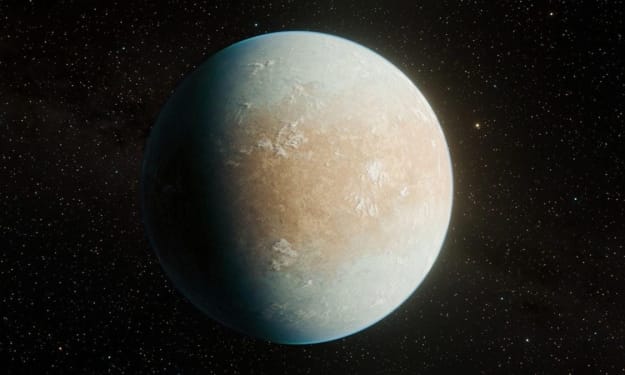
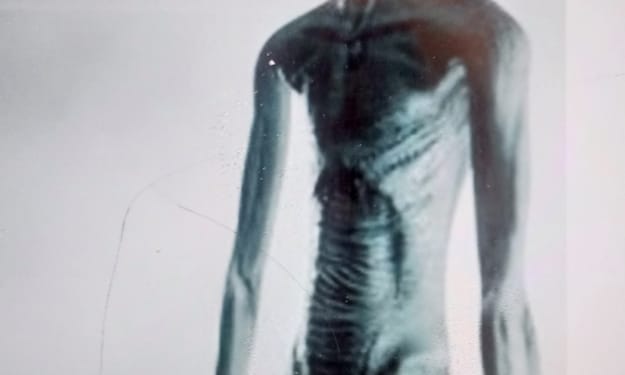
For centuries, humanity has gazed at the night sky with a mixture of wonder and curiosity. The question of whether we are alone in the universe has fascinated philosophers, scientists, and storytellers alike. With recent advancements in astronomy, artificial intelligence, and space exploration, the possibility of extraterrestrial life no longer belongs solely to science fiction. Among the many hypotheses about alien life, one of the most unsettling is the existence of super intelligent aliens—beings whose intellectual, technological, and strategic capabilities far surpass those of humans. While the idea may seem speculative, the potential threat posed by such entities raises serious concerns about human survival, autonomy, and the future of civilization.
By Ibrahim Shah 10 minutes ago in Earth

Comments
There are no comments for this story
Be the first to respond and start the conversation.