
The Journey to Mars: The Search for Human Habitation
Exploring the Challenges and Opportunities of Establishing a Human Presence on the Red Planet
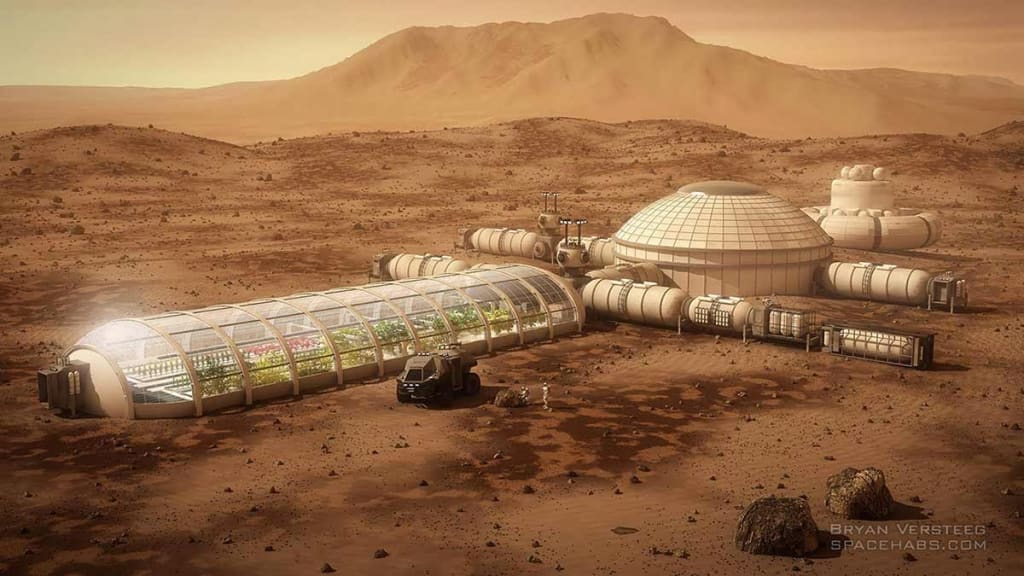
Mars has been a subject of fascination and intrigue for centuries, with scientists and space enthusiasts alike envisioning a future where humans can live and thrive on this enigmatic planet. Despite its distance from Earth, Mars has emerged as the most likely candidate for human exploration and colonization due to its similarities with our planet. From its polar ice caps to its potential for supporting life, the Red Planet has captured our imagination and inspired us to take the next big step in human exploration.
However, establishing a human presence on Mars is no easy feat. The planet's harsh and unforgiving environment presents numerous challenges, including extreme temperatures, low atmospheric pressure, and a lack of resources. To overcome these obstacles, scientists are developing new technologies and methods for sustaining human life on the planet, including terraforming the planet to make it more hospitable, developing habitats that can protect against harsh weather conditions, and creating self-sufficient ecosystems that can provide food and water.
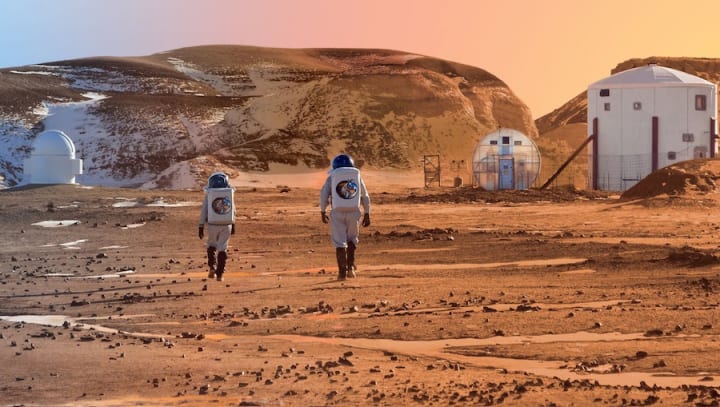
Despite these challenges, the benefits of establishing a human presence on Mars are numerous. The Red Planet holds the potential to expand our understanding of the universe and our place within it, as well as to provide a new frontier for scientific research and technological innovation. By exploring Mars, we can gain valuable insights into the origins of life and the potential for life to exist elsewhere in the universe, and we can also create new opportunities for space travel and exploration.
In conclusion, the journey to Mars represents a significant milestone in human history and will require the collective efforts of scientists, engineers, and explorers from around the world. While the challenges of establishing a human presence on Mars are significant, the benefits and opportunities that lie ahead make the pursuit of this goal an essential and exciting step for humanity. With a focus on cooperation, innovation, and exploration, we can turn the dream of human habitation on Mars into a reality.
The Race for Mars: The Motives Behind Global Interest in Colonizing the Red Planet
Understanding the Political, Scientific, and Economic Reasons Behind the Push to Establish a Human Presence on Mars
The pursuit of establishing a human presence on Mars has become a focal point for countries and organizations around the world, with many countries investing heavily in research and development in order to be at the forefront of the effort. From scientific and technological advancements to geopolitical and economic considerations, the motivations behind this global interest are complex and multifaceted.
One of the primary scientific motivations is the potential for new discoveries about the origins of life and the universe. Mars, with its similarities to Earth and evidence of past water and geological activity, offers a unique opportunity for scientists to better understand the formation of our solar system and the conditions necessary for life to exist. The discovery of microbial life on the planet would have significant implications for our understanding of the universe and the possibility of life elsewhere.
Another key factor is geopolitical competition and the desire to maintain a leadership role in the scientific and technological fields. Countries see establishing a human presence on Mars as a means of demonstrating their capabilities and expertise, as well as increasing their global influence and prestige. This has led to increased investment in space programs and the development of new technologies, with countries such as China, Russia, and the United States vying for dominance in the race to Mars.
Finally, the economic benefits of establishing a human presence on Mars cannot be ignored. The development of new technologies and resources will create new opportunities for economic growth, with potential benefits ranging from the mining of valuable minerals to the development of new energy sources. In addition, the space tourism industry is expected to grow significantly in the coming years, further fuelling interest in human exploration and colonization of Mars.
In conclusion, the global interest in establishing a human presence on Mars is driven by a combination of scientific, political, and economic motivations. As the race to Mars continues to heat up, it will be essential for countries to work together to ensure a safe and sustainable future for humanity on the Red Planet. By fostering collaboration and cooperation, we can turn the dream of human habitation on Mars into a reality that benefits all of humanity.
About the Creator
Neutraceutical Packaging Market Size and Forecast 2025–2033
Neutraceutical Packaging Market at a Glance The Neutraceutical Packaging Market is projected to expand from US$ 4.92 billion in 2024 to US$ 7.63 billion by 2033, growing at a CAGR of 4.99% from 2025 to 2033. This steady growth reflects the accelerating global demand for dietary supplements, functional foods, herbal products, and wellness beverages. Rising health awareness, aging populations, sustainability expectations, the rapid growth of e-commerce, and evolving regulatory frameworks are reshaping how nutraceutical products are packaged, protected, and presented.
By jaiklin Fanandish2 days ago in Earth
Man Shot Dead by Police After Aiming Bow and Arrow at Officers
A man has been shot dead by police after allegedly aiming a bow and arrow at officers, authorities have confirmed. The fatal encounter has triggered public debate over police use of force, crisis response protocols, and how law enforcement handles situations involving unconventional weapons.
By Aarif Lashari2 days ago in Earth
Wild Card Weekend Recap: What Happens Now?
I think I figured out why I love Wild Card Weekend so much. It's because it's the first playoff anything of the calendar year. The NFL season starts in the fall, and once upon a time, the champion was crowned either on or slightly before New Year's. The evolution of the NFL schedule has resulted in the playoffs starting just into the New Year, and currently, the final week of the season falls on the first weekend of the New Year, with Wild Card Weekend coming a week after that. So yes, chronologically, the NFL's Wild Card Weekend serves as the first playoff anything of the calendar year.
By Clyde E. Dawkins5 days ago in Unbalanced



Comments
There are no comments for this story
Be the first to respond and start the conversation.