
''The Incredible Mantis Shrimp: Exploring the Vibrant Colors and Powerful Claws of the Marine Marvel''
The Incredible Mantis Shrimp

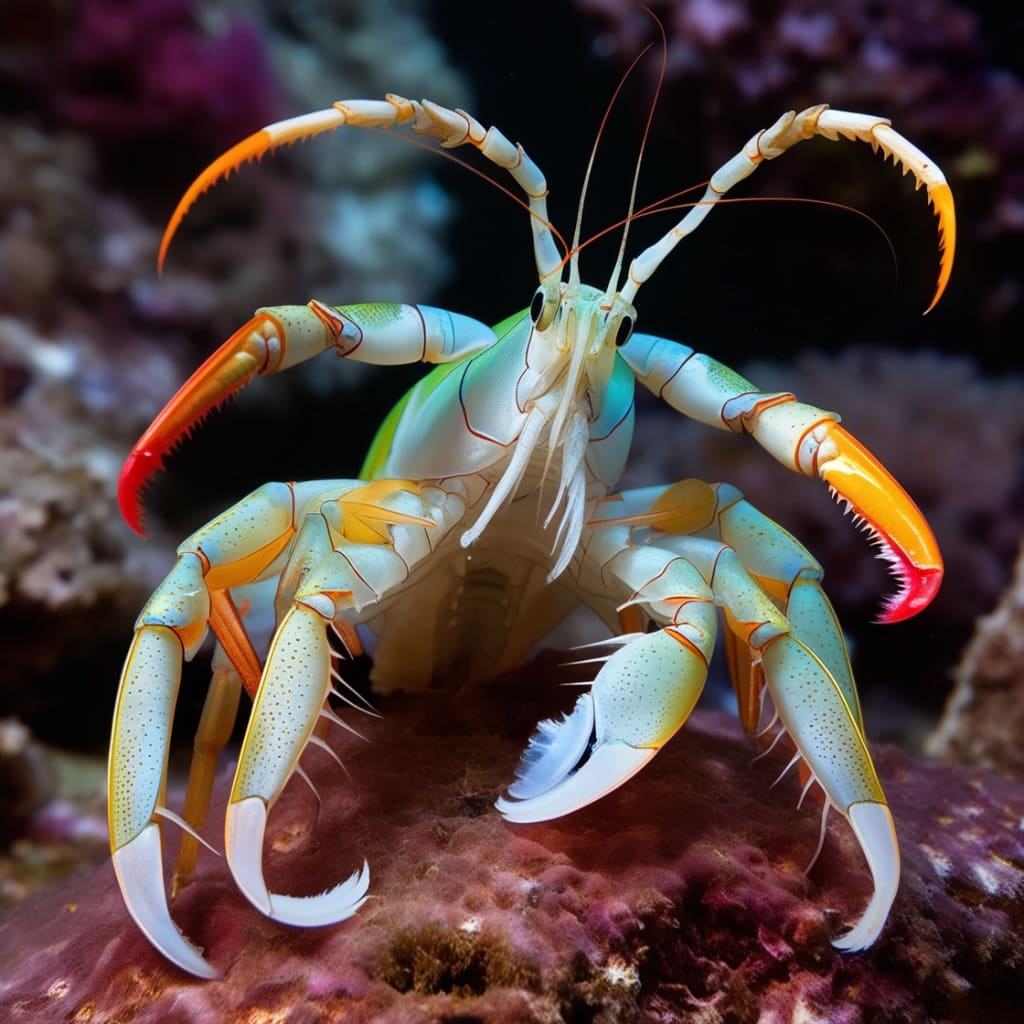
Description:
Discover the fascinating world of the mantis shrimp, known for its vibrant colors and powerful claws. Learn about its unique abilities, habitat, and significance in marine ecosystems
Introduction
The mantis shrimp, belonging to the order Stomatopoda, is a marvel of marine biology. Renowned for its vibrant colors and astonishingly powerful claws, this crustacean is one of nature's most intriguing and formidable creatures. With the ability to strike with the speed of a bullet, the mantis shrimp has captivated scientists and marine enthusiasts alike. This article delves deep into the life of the mantis shrimp, exploring its unique characteristics, habitat, and the science behind its extraordinary abilities.
Outline Sub-Topics
Understanding the Mantis Shrimp; Evolution and Classification, Physical Characteristics
Habitat and Distribution Preferred Environments, Global Distribution
The Anatomy of Power: Mantis Shrimp Claws; Structure of Claws, Mechanics of the Strike
Vibrant Colors and Communication; Coloration Patterns, Role in Communication
Diet and Hunting Techniques Prey Selection, Hunting Methods
Reproduction and Lifespan; Mating Behaviors, Lifecycle Stages
Mantis Shrimp in Popular Culture; Appearances in Media, Cultural Significance
Scientific Research and Discoveries; Key Studies, Notable Discoveries
Mantis Shrimp and Human Interaction; Fishing Practices, Aquariums and Pets
Conservation Status Threats to Population, Conservation Efforts
Comparative Analysis with Other Crustaceans; Differences from Crabs and Lobsters, Unique Adaptations
Mythology and Folklore; Legends and Stories, Symbolism
Ecological Importance; Role in Marine Ecosystems, Impact on Biodiversity
Physiological Adaptations; Vision Capabilities, Sensory Systems
Survival Strategies; Defense Mechanisms, Camouflage Techniques
Behavioral Studies; Social Interactions, Behavioral Patterns
Technological Inspiration from Mantis Shrimp Biomimicry in Engineering, Applications in Technology
Economic Importance; Commercial Value, Culinary Uses
Future Prospects and Research; Areas for Future Study, Potential Discoveries
FAQs about Mantis Shrimp; Common Questions, Expert Answers
Conclusion Summary of Key Points, Final Thoughts
Understanding the Mantis Shrimp
The mantis shrimp, a member of the order Stomatopoda, is an ancient marine creature that has fascinated scientists for decades. These crustaceans are known for their remarkable physical characteristics, which include their vibrant colors and powerful claws. The mantis shrimp's evolutionary journey and classification reveal a complex history that has shaped its current form and function.
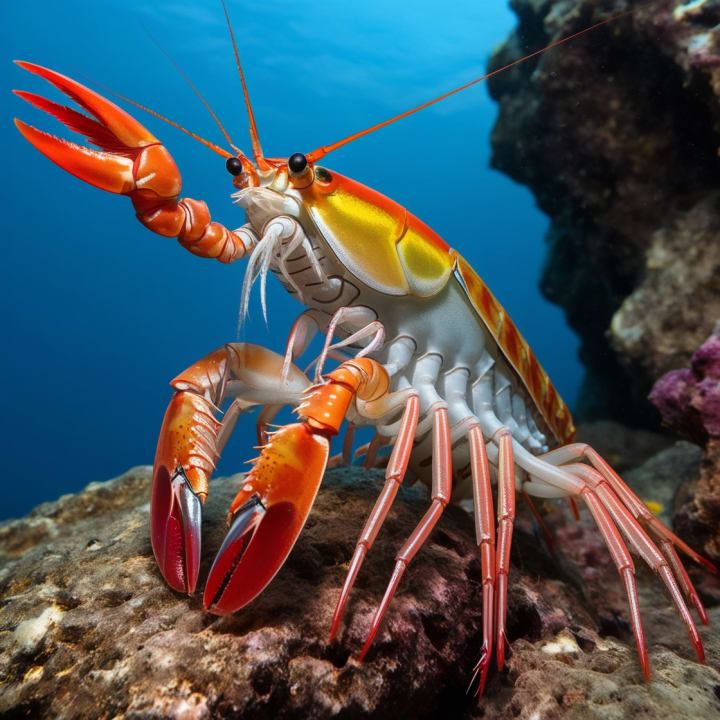
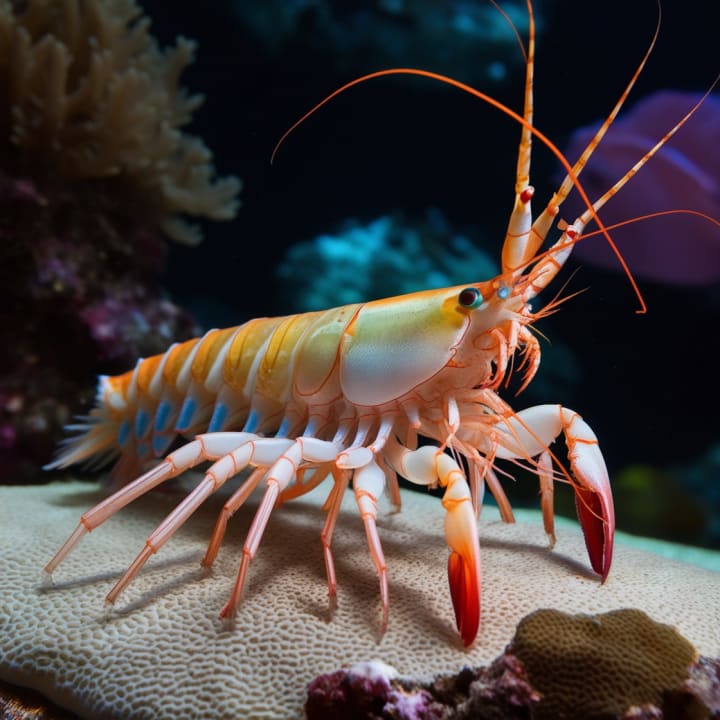
Mantis shrimps are classified into several families, with approximately 450 species identified to date. These species vary in size, color, and habitat preferences, making the mantis shrimp a diverse group. Their physical characteristics are equally intriguing, with a streamlined body, elongated tail, and, most notably, a pair of specialized claws that can deliver one of the fastest and most powerful strikes in the animal kingdom.
Habitat and Distribution
Mantis shrimps are found in a variety of marine environments, from shallow coastal waters to the depths of the ocean. They prefer habitats with ample hiding spots, such as coral reefs, rocky crevices, and burrows in sandy or muddy substrates. This preference for sheltered environments allows them to ambush prey and avoid predators effectively.
Globally, mantis shrimps are distributed across tropical and subtropical regions, with some species found in temperate waters. Their widespread distribution highlights their adaptability to different marine ecosystems and their ability to thrive in diverse environmental conditions.
The Anatomy of Power: Mantis Shrimp Claws
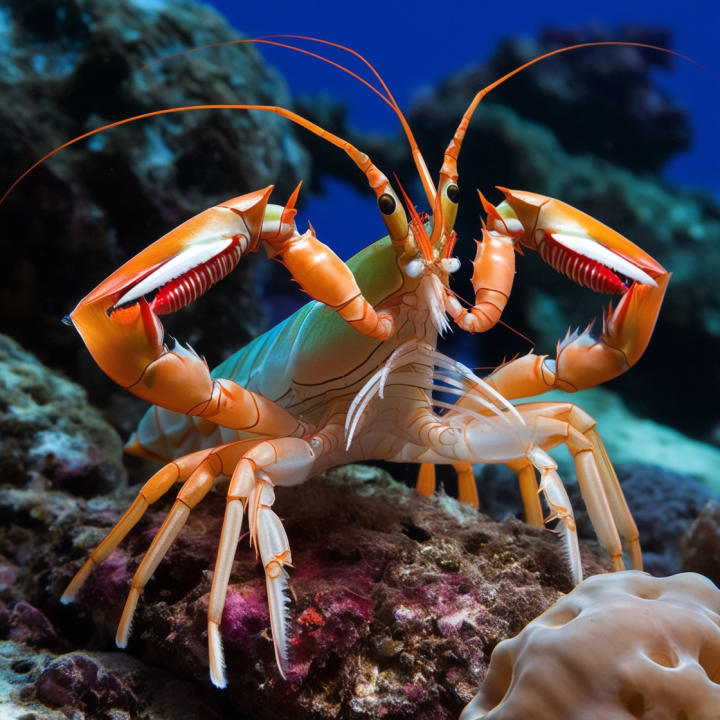
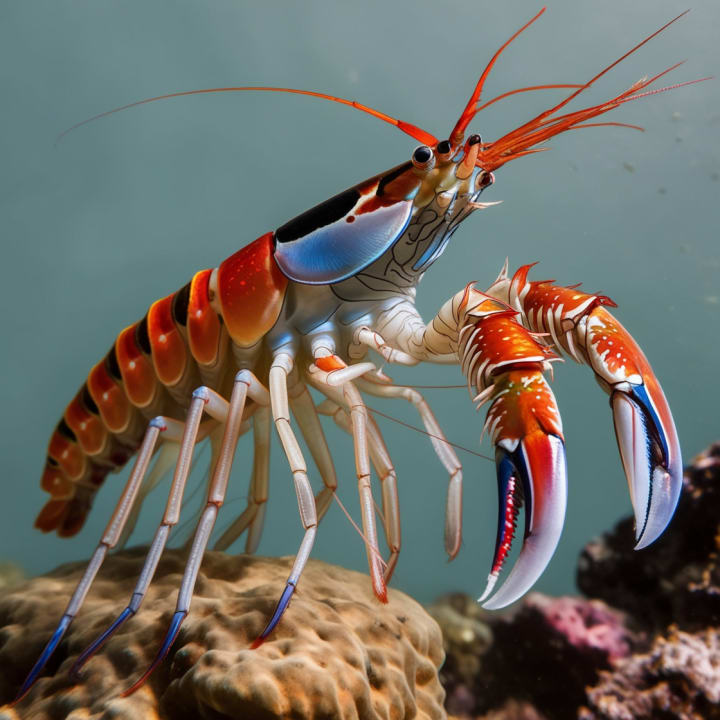
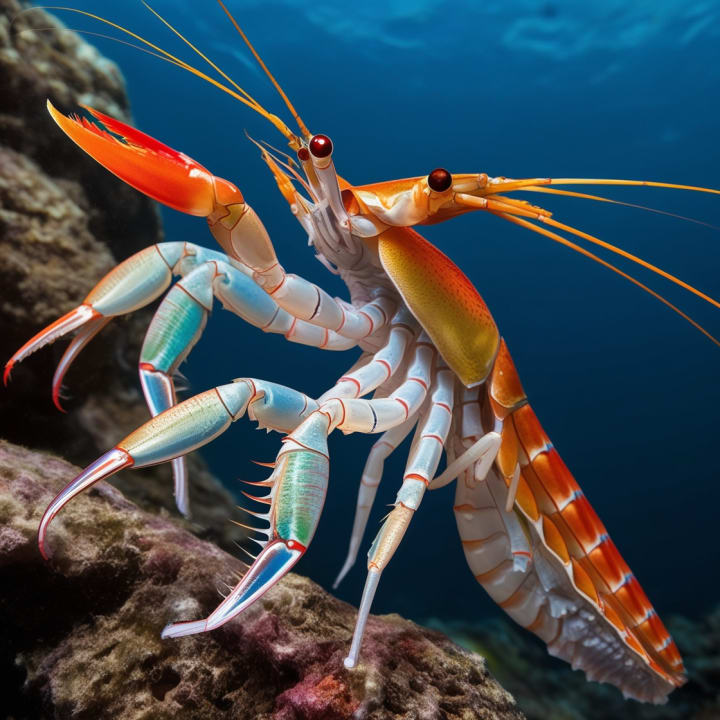
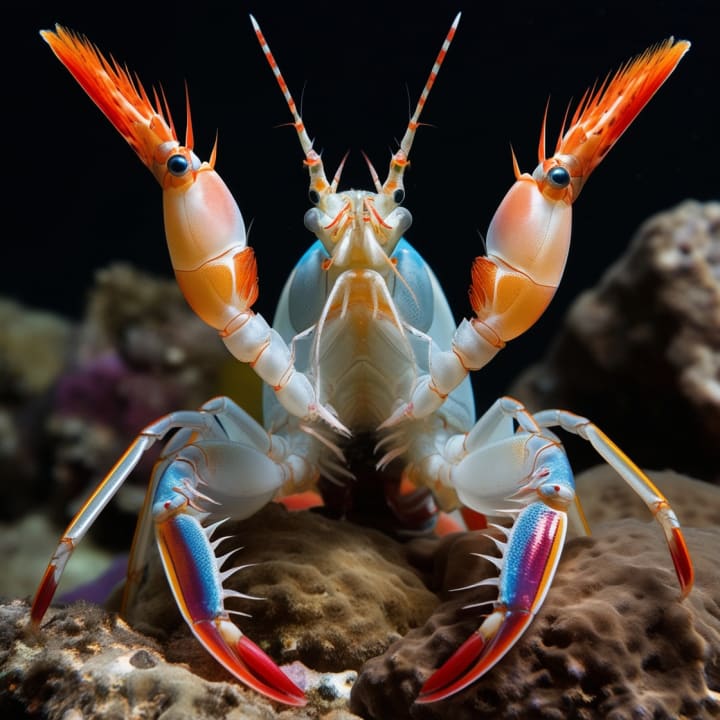
The mantis shrimp's claws are its most iconic feature, capable of striking with the speed and force of a bullet. These claws come in two main types: spearers and smashers. Spearers have spiny appendages used for impaling soft-bodied prey, while smashers have club-like appendages designed to crack open hard-shelled prey.
The mechanics of the mantis shrimp's strike are a marvel of evolutionary engineering. The claws are powered by a complex system of muscles, tendons, and spring-like structures that store and release energy with incredible efficiency. When a mantis shrimp strikes, it can accelerate its claw to speeds exceeding 50 miles per hour, generating forces powerful enough to shatter aquarium glass.
Vibrant Colors and Communication
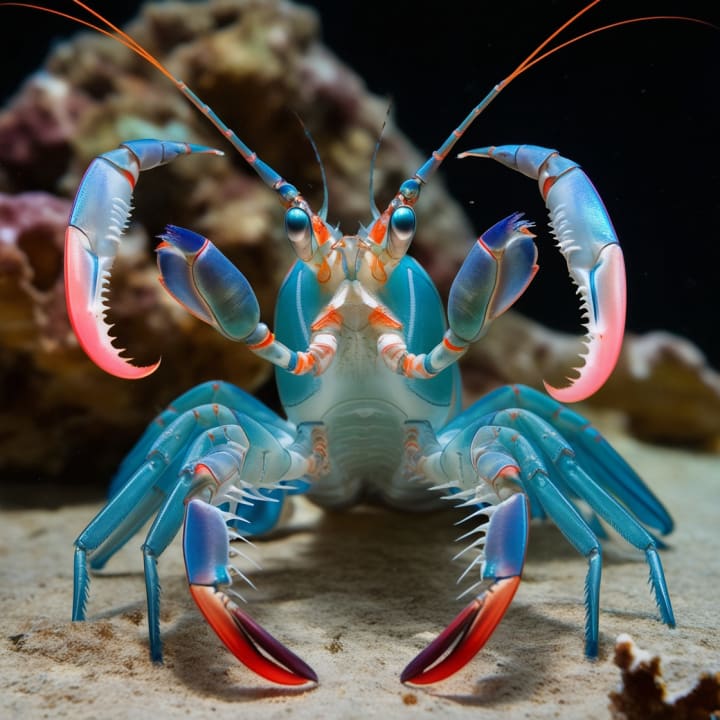
One of the most striking features of the mantis shrimp is its vibrant coloration. These colors are not just for show; they play a crucial role in communication, mating, and territorial displays. The mantis shrimp's color patterns can vary significantly between species and individuals, ranging from bright reds and blues to iridescent greens and purples.
Coloration in mantis shrimp is produced by a combination of pigments and structural colors. These structural colors are created by microscopic structures that reflect and refract light, resulting in vivid and sometimes iridescent hues. Mantis shrimps use these colors to communicate with each other, signal reproductive status, and warn potential rivals or predators.
Diet and Hunting Techniques
Mantis shrimps are formidable hunters, employing a range of techniques to capture their prey. Their diet consists mainly of fish, mollusks, and other crustaceans. Depending on the species, mantis shrimps may use their spear-like claws to impale prey or their club-like claws to bludgeon and break open shells.
Hunting techniques vary between ambush and active hunting. Ambush predators lie in wait for unsuspecting prey to come within striking range, while active hunters actively pursue and capture their prey. Regardless of the method, the mantis shrimp's powerful claws and keen vision make it a highly efficient predator.
Reproduction and Lifespan
The reproductive behaviors of mantis shrimps are as fascinating as their physical characteristics. Mating rituals often involve complex displays of color and movement, with males showcasing their vibrant colors to attract females. Once a pair mates, the female lays eggs, which she may carry in a brood pouch or attach to a substrate for protection.
Mantis shrimps have a relatively long lifespan compared to other crustaceans, with some species living up to 20 years. This extended lifespan allows for multiple reproductive cycles and the potential for significant population growth under favorable conditions.
Mantis Shrimp in Popular Culture
The mantis shrimp's unique characteristics have made it a popular subject in media and culture. From documentaries and nature programs to comic strips and internet memes, the mantis shrimp has captured the public's imagination. Its extraordinary abilities and vibrant appearance have made it a symbol of strength and resilience in various cultural contexts.
Scientific Research and Discoveries
Scientific interest in mantis shrimps has led to numerous discoveries about their biology and behavior. Key studies have focused on the mechanics of their powerful strike, their complex vision systems, and their role in marine ecosystems. Notable discoveries include the identification of unique proteins in their exoskeletons that contribute to their strength and resilience.
Mantis Shrimp and Human Interaction
Humans have interacted with mantis shrimps in various ways, from fishing practices to keeping them as pets in aquariums. In some regions, mantis shrimps are considered a delicacy and are harvested for culinary purposes. However, their powerful claws and aggressive nature make them challenging to handle and maintain in captivity.
Conservation Status
The conservation status of mantis shrimps varies by species and region. While some populations are stable, others face threats from habitat destruction, pollution, and overfishing. Conservation efforts aim to protect critical habitats and ensure sustainable harvesting practices to prevent population declines.
Comparative Analysis with Other Crustaceans
When compared to other crustaceans like crabs and lobsters, mantis shrimps stand out for their unique adaptations and behaviors. Unlike crabs and lobsters, which primarily use their claws for defense and feeding, mantis shrimps have evolved specialized appendages for rapid and powerful strikes. These differences highlight the diverse evolutionary paths within the crustacean lineage.
Mythology and Folklore
Mantis shrimps have been featured in various myths and folklore, often symbolizing strength and tenacity. In some cultures, they are seen as omens or symbols of protection. These stories and symbols reflect the mantis shrimp's formidable reputation and its significance in human culture.
Ecological Importance
Mantis shrimps play a vital role in marine ecosystems as both predators and prey. Their hunting activities help regulate the populations of smaller marine organisms, contributing to the overall balance of the ecosystem. Additionally, their burrowing behaviors can impact sediment structure and nutrient cycling in their habitats.
Physiological Adaptations
The mantis shrimp's physiological adaptations are nothing short of extraordinary. One of the most notable is its vision, which includes the ability to see polarized light and a range of colors far beyond human capability. This advanced vision aids in hunting, navigation, and communication within the complex underwater environment.
Survival Strategies
Mantis shrimps employ a variety of survival strategies to thrive in their environments. These include defensive behaviors such as retreating into burrows, using their powerful claws to fend off predators, and employing camouflage techniques to blend into their surroundings. These strategies enhance their ability to avoid threats and increase their chances of survival.
Behavioral Studies
Behavioral studies of mantis shrimps have revealed intricate social interactions and behavioral patterns. These studies have shown that mantis shrimps are not solitary creatures but engage in complex behaviors such as territorial disputes, courtship rituals, and parental care. Understanding these behaviors provides insight into the social dynamics of these fascinating crustaceans.
Technological Inspiration from Mantis Shrimp
The unique adaptations of mantis shrimps have inspired technological innovations in fields such as engineering and materials science. Researchers have studied the structure and mechanics of mantis shrimp claws to develop stronger and more resilient materials. This biomimicry approach has led to advancements in protective gear, robotics, and other technologies.
Economic Importance
Mantis shrimps have economic significance in various regions, particularly where they are harvested for food. Their commercial value is driven by their demand in local and international markets. Additionally, mantis shrimps are sometimes featured in aquariums, attracting visitors with their vibrant colors and dynamic behaviors.
Future Prospects and Research
The future prospects for research on mantis shrimps are promising, with many areas still unexplored. Potential discoveries include new insights into their vision systems, genetic adaptations, and ecological roles. Continued research will deepen our understanding of these remarkable creatures and their contributions to marine biodiversity.
FAQs about Mantis Shrimp
What makes mantis shrimp claws so powerful?
Mantis shrimp claws are equipped with specialized muscles and spring-like structures that store and release energy rapidly, enabling them to strike with immense speed and force.
How do mantis shrimps use their vibrant colors?
Mantis shrimps use their vibrant colors for communication, mating displays, and territorial signaling, helping them interact with other mantis shrimps and deter predators.
What do mantis shrimps eat?
Mantis shrimps primarily eat fish, mollusks, and other crustaceans, using their powerful claws to capture and consume their prey.
Can mantis shrimps be kept as pets?
While mantis shrimps can be kept in aquariums, they require specific care due to their aggressive nature and powerful claws, making them challenging pets for inexperienced aquarists.
Are mantis shrimps endangered?
The conservation status of mantis shrimps varies, with some species facing threats from habitat destruction and overfishing. Conservation efforts aim to protect their populations and habitats.
How long do mantis shrimps live?
Mantis shrimps can live up to 20 years, with their lifespan varying by species and environmental conditions.
Conclusion
The mantis shrimp is a fascinating example of nature's ingenuity, with its vibrant colors, powerful claws, and complex behaviors. These marine crustaceans play a crucial role in their ecosystems and have inspired scientific research and technological innovations. By understanding and appreciating the mantis shrimp, we gain insights into the intricate and diverse world of marine life.
About the Creator
KingFree MaN
Our purpose is to serve others. We strive to understand their needs, identify what they seek and streamline the journey to help them reach their goals. By removing obstacles and creating clear paths we work to make their experience smoother
Reader insights
Outstanding
Excellent work. Looking forward to reading more!
Top insight
Easy to read and follow
Well-structured & engaging content
Keep reading
More stories from KingFree MaN and writers in Earth and other communities.
'Saiga Antelope: The Plight of Central Asia's Critically Endangered Species'
Description: Discover the critically endangered Saiga antelope (Saiga tatarica) of Central Asia, known for its distinctive oversized nose. Learn about their habitat, behavior, threats, and conservation efforts.
By KingFree MaNabout a year ago in Earth
Greenland: New Shipping Routes, Hidden Minerals – and a Frontline Between the US and Russia?
Once seen as a remote and largely isolated Arctic territory, Greenland is rapidly emerging as a focal point of global geopolitics. Climate change, melting ice, and technological advances are transforming the island into a strategic hub defined by new shipping routes, vast mineral resources, and growing rivalry between major powers, particularly the United States and Russia. As the Arctic opens up, Greenland’s geographic position and untapped potential are pushing it to the center of international attention, raising questions about security, sovereignty, and sustainable development. Melting Ice and the Opening of New Shipping Routes One of the most visible impacts of climate change in the Arctic is the reduction of sea ice, which is making previously inaccessible waters navigable for longer periods each year. New Arctic shipping routes, including passages near Greenland, promise shorter travel times between Europe, Asia, and North America. Compared to traditional routes like the Suez Canal, Arctic pathways can reduce shipping distances by thousands of kilometers, cutting fuel costs and emissions. For global trade, this could be transformative. Greenland’s coastal waters are increasingly important as potential transit corridors and support hubs for these routes. However, the expansion of Arctic shipping also raises concerns about environmental risks, maritime safety, and the lack of robust emergency infrastructure in the region. Hidden Mineral Wealth Beneath the Ice Beyond shipping, Greenland holds significant reserves of critical minerals, many of which are essential for modern technologies and the global energy transition. These include rare earth elements, lithium, graphite, uranium, and other strategic resources used in electric vehicles, wind turbines, batteries, and defense systems. As demand for these materials grows, Greenland is being viewed as a potential alternative to existing supply chains dominated by a small number of countries. This has increased interest from Western governments seeking to diversify mineral sourcing and reduce strategic dependencies. However, mining in Greenland is controversial. Local communities and policymakers must balance economic opportunities with environmental protection and cultural preservation. Greenland’s harsh climate and fragile ecosystems make resource extraction both technically challenging and politically sensitive. The United States’ Strategic Interest in Greenland The United States has long considered Greenland strategically vital, largely due to its location between North America and Europe. The US already maintains a military presence at Pituffik Space Base (formerly Thule Air Base), which plays a key role in missile warning systems and space surveillance. In recent years, Washington has renewed its focus on Greenland, emphasizing Arctic security, infrastructure investment, and cooperation with Denmark, which oversees Greenland’s foreign and defense policy. US interest is driven by several factors: protecting transatlantic security routes, countering rival powers in the Arctic, and ensuring access to critical minerals. Greenland is increasingly viewed as a frontline in maintaining Western influence in the High North. Russia’s Arctic Ambitions Russia, meanwhile, sees the Arctic as central to its economic and military strategy. It has invested heavily in Arctic military bases, icebreaker fleets, and energy projects, particularly along its northern coastline. Although Greenland is geographically distant from Russia’s main Arctic territories, Moscow closely monitors developments there. The island’s proximity to key Arctic sea lanes and North Atlantic routes makes it strategically relevant in any broader confrontation between Russia and NATO. As tensions between Russia and the West remain high, Greenland’s location places it near the intersection of competing security interests, increasing its geopolitical significance. Greenland Between Global Powers The growing attention from major powers puts Greenland in a delicate position. While the island seeks greater economic independence and development, it must navigate complex relationships with Denmark, the United States, and other international actors. Greenland’s government has emphasized the importance of maintaining control over its resources and ensuring that development benefits local populations. At the same time, geopolitical competition risks turning Greenland into a strategic chessboard rather than a partner in decision-making. This balancing act is becoming more difficult as Arctic competition intensifies. Environmental and Social Challenges Greenland is on the front lines of climate change. Melting ice sheets contribute to global sea-level rise, while local communities face changes to traditional livelihoods such as fishing and hunting. The expansion of shipping and mining could bring jobs and infrastructure, but it also threatens fragile ecosystems and raises concerns about pollution, habitat disruption, and long-term sustainability. Any future development in Greenland will require careful regulation, international cooperation, and meaningful engagement
By Aarif Lashari4 days ago in Earth


Comments (1)
Nicely done it.