

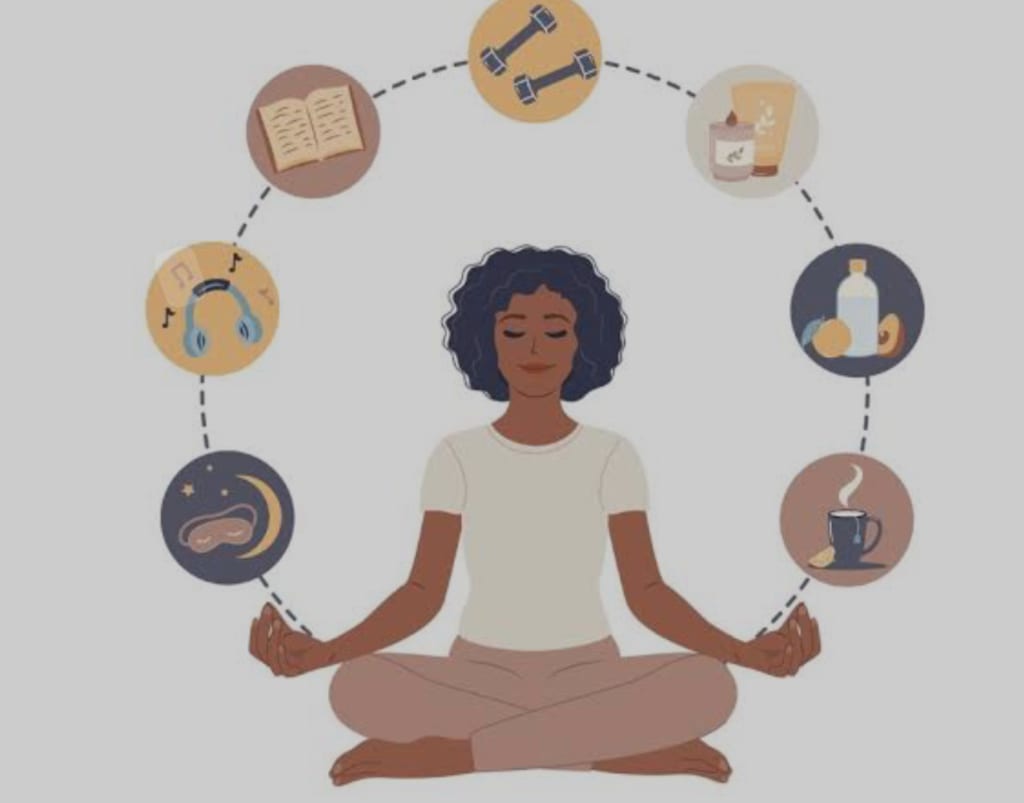
The Importance of Self-Care: Nurturing Mind, Body, and Soul
Self-care is often a concept that’s misunderstood or neglected in today’s fast-paced world. With the growing demands of modern life, the idea of taking time out for ourselves may seem indulgent or even unnecessary. However, the truth is that self-care is not a luxury but a necessity, vital for maintaining physical, emotional, and mental well-being. Whether it’s a few minutes each day or longer periods dedicated to personal healing and relaxation, self-care is a key to leading a fulfilling and balanced life.
What is Self-Care?
Self-care can be defined as the intentional actions we take to preserve and enhance our physical, mental, and emotional health. It includes all activities that nurture and support our well-being, from rest and relaxation to exercise and creative outlets. While self-care practices can vary greatly from person to person, the underlying principle is the same: it’s about taking the time to care for yourself, recognizing your needs, and ensuring that you’re functioning at your best, both inside and out.
Self-care goes beyond pampering or indulging in luxurious activities, though these can certainly play a role. True self-care is about understanding what your body and mind need to stay healthy, reducing stress, and creating a balanced lifestyle that supports long-term wellness.
The Different Types of Self-Care
Self-care can be broken down into several categories. While no single approach works for everyone, understanding these areas can help you tailor a self-care plan that suits your needs.
1. Physical Self-Care:
Physical self-care involves practices that enhance and support the body. It’s about keeping the body healthy through various habits and activities. Key aspects of physical self-care include:
• Exercise and Movement: Regular physical activity boosts physical health, reduces stress, and promotes better sleep. Whether it’s yoga, running, or weight training, moving your body is crucial for maintaining a healthy and energetic life.
• Nutrition: Eating a balanced and nutritious diet fuels the body, supports immune health, and provides energy. Proper hydration and mindful eating also play a role in self-care.
• Sleep: Restful sleep is one of the cornerstones of physical well-being. Ensuring you get enough sleep each night supports physical recovery, cognitive function, and emotional regulation.
• Rest and Relaxation: Taking breaks, resting when necessary, and engaging in activities like massages or warm baths can help reduce muscle tension and promote overall relaxation.
2. Mental Self-Care:
Mental self-care focuses on activities that stimulate your mind, reduce mental fatigue, and foster cognitive clarity. Practices in this area can help prevent burnout and enhance mental focus and creativity.
• Mindfulness and Meditation: Mindfulness is the practice of staying present and focusing on the current moment. Meditation, in particular, helps cultivate a sense of calm, reduce anxiety, and improve concentration.
• Reading and Learning: Engaging in activities that challenge your intellect, such as reading, learning a new skill, or solving puzzles, can boost mental stimulation and keep the mind sharp.
• Boundaries and Time Management: Prioritizing your time and setting boundaries with work, relationships, and other obligations can help prevent mental overload. Learning to say no is a key component of managing mental health.
• Journaling: Writing down thoughts and emotions can be a cathartic release, aiding in self-reflection and emotional processing. Journaling allows you to organize your thoughts and gain insight into your feelings.
3. Emotional Self-Care:
Emotional self-care focuses on your feelings, providing emotional support and releasing negative energy. It’s about tuning into your emotions and responding in ways that promote healing and self-compassion.
• Therapy and Counseling: Seeking professional help through therapy can be an essential aspect of emotional self-care. Talking through feelings with a trained professional can help you process trauma, gain insights, and develop coping strategies.
• Social Connections: Maintaining strong relationships with friends, family, and loved ones helps nurture emotional well-being. Spending time with people who uplift and support you fosters a sense of belonging.
• Expressing Emotions: It’s important to express emotions rather than bottle them up. Whether through talking, art, or physical movement, releasing emotional tension can promote emotional clarity and self-awareness.
• Self-Compassion: Practicing kindness towards yourself, especially during difficult times, can boost your emotional resilience. Acknowledging and forgiving yourself for mistakes is vital for emotional growth.
4. Spiritual Self-Care:
Spiritual self-care refers to practices that nourish your soul and help you connect with a sense of purpose or higher power. This category may look different for everyone, depending on personal beliefs and values.
• Spiritual Practices: Whether it’s prayer, meditation, or engaging in rituals, spiritual practices can provide peace, grounding, and a deeper sense of purpose.
• Gratitude: Focusing on the positive aspects of life and cultivating a gratitude practice can enhance spiritual well-being. Reflecting on things you’re thankful for shifts your mindset and fosters a sense of abundance.
• Nature Connection: Spending time outdoors in nature allows for spiritual renewal. Nature provides an opportunity to slow down, breathe deeply, and feel more connected to the world around you.
Why is Self-Care Important?
Self-care is crucial for maintaining balance and well-being in all aspects of life. When we prioritize our health and happiness, we are better equipped to navigate the challenges of daily life and contribute positively to the world around us. Here’s why self-care should be an integral part of your routine:
1. Prevents Burnout:
Constant work, stress, and the demands of daily life can lead to burnout. Taking regular breaks and prioritizing self-care can prevent exhaustion and keep you from reaching a breaking point.
2. Improves Physical Health:
Physical self-care activities like exercise, nutrition, and sleep contribute to better overall health. Regular exercise can lower the risk of chronic diseases, while sleep helps the body repair and recover.
3. Boosts Mental Clarity:
By taking time to focus on your mental health, you reduce stress and cognitive overload. Self-care activities like meditation, reading, and journaling can help clear your mind and improve focus and decision-making.
4. Enhances Emotional Resilience:
Self-care supports emotional well-being by encouraging self-compassion and healthy emotional expression. It helps you build emotional resilience, enabling you to navigate tough situations with more ease and confidence.
5. Promotes Long-Term Happiness:
When you take care of yourself, you’re more likely to experience long-term happiness. Self-care fosters a sense of fulfillment and satisfaction, leading to a more positive and optimistic outlook on life.
6. Encourages Healthy Boundaries:
Practicing self-care helps you set clear boundaries in relationships and work environments, ensuring you don’t overextend yourself. By respecting your own limits, you create healthier, more balanced connections with others.
How to Incorporate Self-Care into Your Routine
Incorporating self-care into your daily routine doesn’t have to be complicated. Start with small, manageable steps and build up from there. Here are a few ways to make self-care a regular part of your life:
1. Create a Self-Care Plan:
Identify the areas of self-care you need the most and design a plan that includes actions you can commit to. Whether it’s daily exercise, weekly relaxation activities, or monthly mental health check-ins, having a plan in place keeps you accountable.
2. Set Realistic Goals:
Start with simple, achievable goals. For instance, you could aim to meditate for five minutes each day or commit to getting eight hours of sleep each night. Gradually build upon these goals as they become habits.
3. Schedule Time for Yourself:
Life is busy, and it can be easy to neglect self-care when work and personal responsibilities pile up. Schedule time for yourself, just as you would any other important meeting or obligation.
4. Practice Mindfulness:
Incorporating mindfulness into your daily activities—whether during meals, while walking, or when interacting with others—helps you stay grounded and reduces stress.
5. Be Kind to Yourself:
Don’t be too hard on yourself if you slip up. Life happens, and self-care is about consistency, not perfection. Offer yourself compassion and continue to prioritize your health moving forward.
6. Engage in Enjoyable Activities:
Do things that bring you joy, whether it’s a hobby, spending time with loved ones, or simply relaxing in nature. These moments of joy recharge your emotional batteries.
Conclusion
Self-care is a powerful tool for maintaining balance in a busy, often overwhelming world. It’s essential for cultivating a life that’s not only productive but also fulfilling. By prioritizing your physical, mental, emotional, and spiritual well-being, you build a foundation that allows you to thrive in every aspect of life. Remember, self-care is not selfish—it’s an act of self-love that benefits not only you but also those around you. Embrace self-care as an essential part of your daily routine and reap the rewards of a healthier, happier you.
About the Creator
President Trump Calls Putin to Discuss Ending the Wars in Iran and Ukraine
Introduction In a significant diplomatic move, U.S. President Donald Trump recently held a phone conversation with Russian President Vladimir Putin to discuss ongoing conflicts in the Middle East and Eastern Europe. The call focused on the war involving Iran and the prolonged Russia-Ukraine conflict, both of which have raised global concerns about stability, security, and economic consequences. The conversation highlights growing international pressure to find peaceful solutions to these major conflicts.
By shaoor afridi6 days ago in Earth


Comments
There are no comments for this story
Be the first to respond and start the conversation.