
The importance of environmental justice
Impact of climate change on marginalized communities and the need to address systemic inequalities in environmental policies and practice's.

Zoe's footsteps echoed through the narrow alleyways of her neighborhood, the rhythmic tap-tap providing a stark contrast to the chaos that surrounded her. Crumbling buildings leaned precariously over the cobbled streets, their facades a mosaic of faded colors and peeling paint. This was the forgotten corner of the city, where the air seemed thicker, the sky darker, and hope was a rare commodity.
Zoe knew every crack in the pavement, every shadow that danced along the walls. She was part of this place, a place where her ancestors had lived and where her children now played. But as the years went by, a cloud of uncertainty settled over her community, a cloud that bore the weight of environmental injustice.
It was on sweltering summer afternoons that the truth became painfully apparent. While the affluent neighborhoods enjoyed the cool breeze of air conditioning, Zoe's apartment felt like an oven. The constant hum of fans provided little relief, and her children's sweaty brows and restless sleep were a testament to the unforgiving heat.
But it wasn't just the heat that tested her community. Torrential rains turned their streets into rivers, flooding homes and leaving behind a trail of destruction. Zoe remembered the night when she had frantically stacked sandbags by her door, praying that the water wouldn't breach the threshold and steal away their meager possessions.
As a single mother, Zoe's worries extended beyond the weather. The air they breathed was tainted with pollutants, a toxic reminder of the factories that surrounded their neighborhood. A persistent cough had settled in her chest, and her youngest, Lucas, often wheezed through the night. The doctors prescribed medication, but Zoe knew that the root of their ailments lay not in their genes, but in the very air they inhaled.
One evening, as Zoe sat on her worn-out couch, listening to the sound of raindrops tapping against the windowpane, a news report caught her attention. It was a story about environmental justice, a term she hadn't heard before. The reporter spoke about how communities like hers, predominantly low-income and marginalized, bore the brunt of climate change and pollution.
Tears welled up in Zoe's eyes as she realized that her struggles were not isolated but part of a larger pattern. She thought of her neighbors, the elderly couple next door, and the young families down the street – all living in the shadow of neglect, their voices unheard.
Determined to make a change, Zoe began attending community meetings where she met others who shared her concerns. They formed a grassroots group, "Neighbors for a Cleaner Tomorrow," and embarked on a journey to raise awareness about the environmental injustices that plagued their lives.
The group organized rallies and clean-up initiatives, their voices echoing through the streets as they demanded cleaner air, safer water, and healthier living conditions. They wrote letters to local officials, spoke at city council meetings, and refused to be silenced by the indifference that had plagued their neighborhood for far too long.
Their efforts faced resistance, but Zoe and her fellow activists pressed on. They connected with organizations working toward environmental justice and joined forces with allies who recognized the urgency of their cause. Slowly, the tide began to turn.
Zoe's relentless determination caught the attention of a young lawyer named Olivia, who had been working on cases related to environmental injustice. Impressed by Zoe's unwavering commitment, Olivia offered her assistance, and together they navigated the complex legal landscape.
As news of their fight spread, support poured in from unexpected quarters. Celebrities lent their voices to the cause, media outlets shone a spotlight on their struggles, and concerned citizens from across the city stood in solidarity with their movement.
The turning point came during a pivotal city council meeting. Zoe, her voice trembling with a mix of nervousness and determination, stood before the council members and shared her story. She spoke of the stifling heat, the floods, and the illnesses that had plagued her family and her community. Her words resonated with those present, and a wave of empathy swept through the room.
In the weeks that followed, policy changes began to take shape. The factories were held accountable for their emissions, and investments were directed toward improving infrastructure in marginalized neighborhoods. New regulations were enacted to ensure that no community would bear a disproportionate burden of environmental harm.
Zoe watched as her neighborhood underwent a transformation. Parks flourished where vacant lots had once stood, and the air seemed cleaner, fresher. Children laughed and played in the streets, their faces no longer masked by worry.
The journey had been long and arduous, but Zoe knew that their fight was far from over. Environmental justice was not just a buzzword; it was a commitment to a more equitable future. As she looked at her children, their eyes filled with hope, she felt a sense of purpose that transcended the challenges they had faced.
Zoe's story was a testament to the power of collective action, to the resilience of marginalized communities, and to the importance of environmental justice. It was a reminder that every voice mattered, that every step taken toward a cleaner, fairer world was a step toward a brighter tomorrow. And as Zoe stood on the threshold of change, she knew that their fight was a beacon of hope for communities far and wide, a reminder that even in the face of adversity, justice could prevail.
About the Creator
zama mkhwanazi
Reading my stories is an immersive experience where laughter, tears, and introspection meld into an intricate tapestry, forging a profound connection between me (author) and you (reader).I extend an open invitation to you to read my stories
Keep reading
More stories from writers in Earth and other communities.
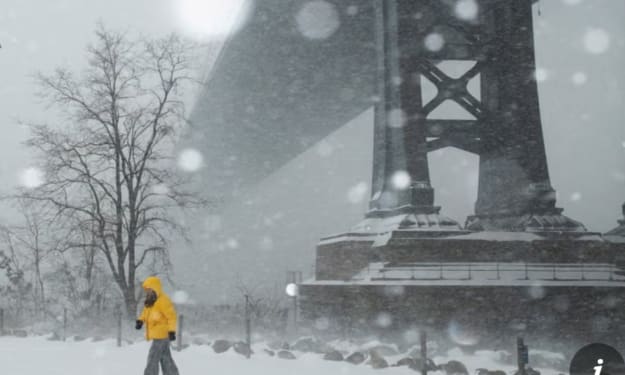
US Winter Storm: At Least 30 Dead as Nearly 200 Million Under Cold Alerts
Deadly Winter Hits the United States A historic winter storm has swept across the United States, leaving at least 30 people dead and nearly 200 million residents under cold-weather alerts. The storm, marked by record-low temperatures, heavy snow, and icy conditions, has affected large portions of the country from the Midwest to the East Coast. Meteorologists describe this event as one of the most severe in recent decades, noting its combination of extreme cold, high winds, and widespread snow coverage. Authorities warn that these conditions pose significant risks to public safety and infrastructure. Understanding the Storm The winter storm is the result of a polar air mass moving southward, colliding with warmer air from southern regions. This interaction has created blizzard conditions, ice accumulation, and dangerously low wind chill temperatures. Cold alerts have been issued for nearly two-thirds of the U.S. population, including major cities such as Chicago, New York, and Dallas. Temperatures have plunged to historic lows in some regions, reaching -30°F (-34°C) in northern states. Fatalities and Human Impact At least 30 confirmed deaths have been attributed to the storm, primarily caused by traffic accidents, hypothermia, and carbon monoxide poisoning from improper heating methods. Emergency services report a surge in calls for assistance, including rescues of stranded motorists and people trapped in their homes. Vulnerable populations, including the elderly, homeless, and low-income families, are particularly at risk. Shelters and warming centers have been opened in major cities, but demand has exceeded capacity in many areas. Transportation and Infrastructure Disruptions The storm has caused widespread disruption to transportation networks, including: Thousands of flight cancellations and delays at major airports Closed highways and roads due to ice and snow Delays in public transit systems in urban areas Power outages affecting millions of homes and businesses Utility companies are working to restore electricity, but extreme cold complicates repair efforts. Residents are advised to limit travel, conserve energy, and prepare for extended outages. Public Health Concerns Severe cold presents serious public health risks. Authorities emphasize the importance of: Staying indoors whenever possible Wearing layers of warm clothing Avoiding prolonged exposure to the cold Checking on neighbors, especially elderly or disabled individuals Medical professionals warn that hypothermia, frostbite, and heart strain from shoveling snow are common causes of winter-related emergencies during such storms. Carbon monoxide poisoning has also been a concern, as some residents use improper heating devices indoors. Community Preparedness and Response Community response has been critical in mitigating the impact of the storm. Local governments and organizations have: Set up emergency warming centers and shelters Deployed road crews for snow and ice removal Coordinated with volunteers and nonprofits to deliver food, blankets, and supplies Issued emergency alerts and advisories through multiple channels Citizens are encouraged to check on neighbors, keep emergency kits ready, and follow official guidance to stay safe. Economic and Social Consequences Beyond immediate safety concerns, the winter storm is expected to have economic repercussions: Retail, hospitality, and service sectors face lost revenue due to closures Supply chains are delayed, affecting deliveries and manufacturing Utility companies will incur extra costs for emergency repairs and overtime Insurance claims for property damage and vehicle accidents are likely to rise The storm also highlights social inequality, as lower-income households are less equipped to cope with prolonged outages or heating costs. The Role of Climate Patterns Meteorologists link extreme winter storms to polar vortex fluctuations, La Niña effects, and broader climate variability. While global warming has generally increased average temperatures, it has also contributed to more extreme and erratic weather patterns, including sudden cold outbreaks in temperate regions. Experts stress the importance of investing in resilient infrastructure, emergency planning, and climate adaptation strategies to minimize future impacts. Key Safety Recommendations for Communities Authorities advise that individuals and communities take proactive measures, including: Maintaining emergency supplies, including food, water, and blankets Avoiding unnecessary travel and staying informed via official channels Checking on vulnerable residents and providing assistance Ensuring proper ventilation when using indoor heating devices Community solidarity can significantly reduce fatalities and hardships during extreme weather events. Looking Ahead While the storm is expected to gradually move eastward, meteorologists caution that dangerous conditions may persist in some areas for several days. Recovery will require coordination between local governments, utility providers, and community organizations. This event also serves as a reminder of the importance of preparedness, highlighting how weather emergencies can quickly affect millions of people, disrupt services, and threaten lives. Conclusion The US winter storm has been deadly and disruptive, claiming lives, overwhelming infrastructure, and affecting nearly 200 million people under cold alerts. Its impact extends beyond immediate safety to economic, social, and public health consequences. Communities that prepare, support vulnerable residents, and follow emergency guidance can mitigate the worst effects. This storm underscores the urgent need for awareness, planning, and resilience in the face of increasingly extreme weather events.
By Aarif Lashari6 days ago in Earth
Ukrainian President Zelenskyy Invites Putin to Kyiv for Talks
Ukrainian President Volodymyr Zelenskyy has publicly invited Russian President Vladimir Putin to Kyiv for direct talks, marking one of the most striking diplomatic gestures since the outbreak of the war between Russia and Ukraine. The invitation, unprecedented in both symbolism and political risk, immediately drew global attention and sparked intense debate among diplomats, analysts, and citizens alike.
By Aarif Lashari3 days ago in Earth
Instructions Included Challenge Winners
For the Instructions Included challenge, we asked writers to tell a story through instructions and to trust the form to carry what could not be said outright. Across the top entries, that trust paid off in many different ways.
By Vocal Curation Team5 days ago in Resources


Comments