
The impact of Climate change on Mental health
Understanding the psychological Consequences of environmental disruption
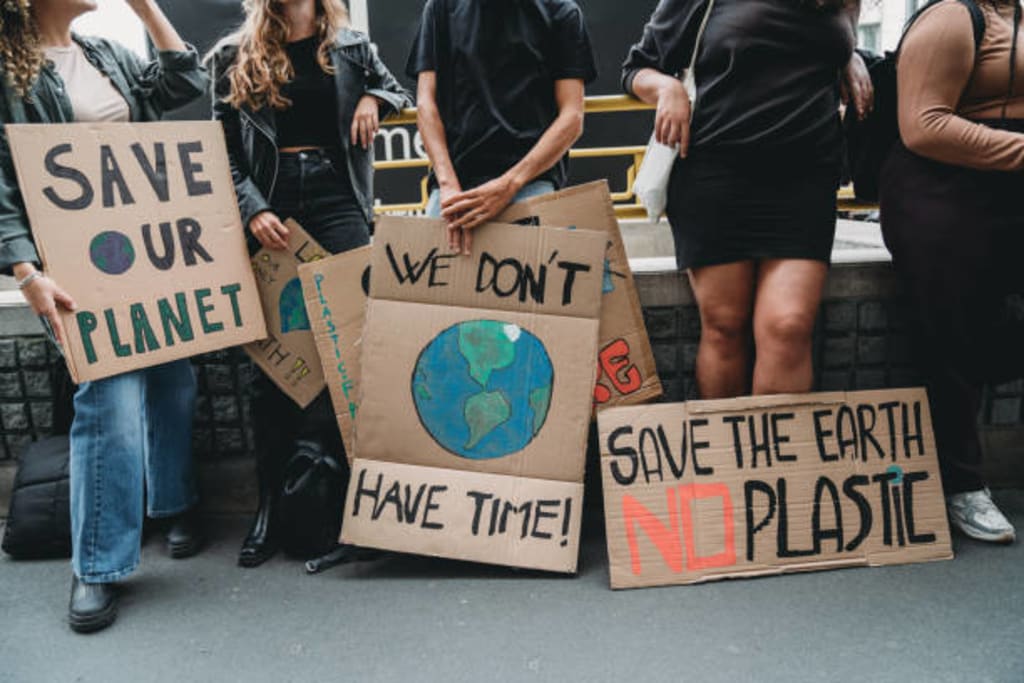
In a small coastal town, where the sun kissed the waves and the air was filled with the salty scent of the ocean, lived a young woman named Maya. She had always found solace in the rhythm of the tides and the beauty of the sunsets that painted the sky in hues of orange and pink. However, as the years passed, she began to notice changes that filled her with an unsettling sense of dread.
Maya worked as a marine biologist, dedicating her life to studying the ocean and its delicate ecosystems. She loved her job, but the more she learned about the impact of climate change on marine life, the heavier her heart grew. Coral reefs that once flourished with vibrant colors were now bleached and lifeless. Fish populations dwindled as their habitats were destroyed, and the once thriving ecosystem that had provided her community with food and livelihood was collapsing.
Every day, Maya would walk along the beach, collecting data and observing the changes around her. The sight of plastic waste washing ashore, the sound of storms growing more violent, and the sight of homes being swallowed by rising waters weighed heavily on her mind. She felt like a witness to a slow emotion disaster, powerless to stop it.
As her work became more distressing, Maya found herself struggling with feelings of despair. The weight of the world felt as if it were resting on her shoulders, and she often lay awake at night, haunted by thoughts of the future. Would there be a marine ecosystem left for future generations? Would her children and grandchildren ever experience the beauty of the ocean as she had? These questions spiraled in her mind, leaving her feeling anxious and hopeless.
Maya's friends and family began to notice the changes in her demeanor. The once vibrant and cheerful woman was now often withdrawn, her laughter replaced by a distant gaze. She tried to put on a brave face, but inside, she felt like she was drowning in a sea of anxiety. The conversations around her shifted from dreams and plans for the future to discussions about climate change and its grim implications. While she appreciated their concern, it only deepened her sense of isolation.
One evening, after a particularly tough day at work, Maya sat on the beach, the waves lapping at her feet. She felt overwhelmed by a sense of helplessness. Just then, she noticed a group of children playing in the sand, their laughter ringing out like a melody. They were building sandcastles, their imaginations running wild as they created intricate structures. In that moment, Maya felt a flicker of hope. These children were innocent, unaware of the looming threats that weighed heavily on her heart.
Inspired, Maya decided to channel her despair into action. She reached out to local schools and organized beach cleanups and educational programs about environmental conservation. She began sharing her knowledge with the community, hoping to empower others to take action. Slowly, she saw a shift in herself. As she engaged with the children and their families, she felt a renewed sense of purpose.
Through her efforts, Maya not only educated others about the importance of protecting the environment but also found a support network of liked minded individuals who shared her passion. They formed a community dedicated to fighting climate change, and together, they organized initiatives to reduce plastic waste, promote sustainable fishing practices, and advocate for policy changes.
Despite the challenges, Maya found solace in the connections she built with others. The shared laughter, the camaraderie during cleanup events, and the collective determination to create a better future helped alleviate her feelings of anxiety. She discovered that while she couldn’t change the world overnight, she could make a difference in her corner of it.
As time went on, Maya learned to navigate her mental health more effectively. She began practicing mindfulness and meditation, finding peace in the present moment rather than dwelling on the uncertainties of the future. The ocean, once a source of anxiety, became a place of healing and reflection.
One day, while standing on the beach, watching the sun dip below the horizon, she realized she was no longer drowning in despair. Instead, she felt a sense of belonging and purpose. The children she had inspired were now advocates for the environment, their laughter echoing in her heart as a reminder that hope could flourish even in the face of adversity.
Maya’s journey was not without its struggles, but she learned that it was okay to feel overwhelmed. Acknowledging her emotions allowed her to seek help and connect with others who shared her concerns. Together, they could face the challenges of climate change and environmental degradation, transforming their despair into action.
As the years passed, the coastal town began to change. The community rallied together, and their efforts bore fruit. Beaches were cleaner, marine life began to return, and the town embraced sustainable practices. Maya realized that while the fight against climate change was ongoing, it was the collective efforts of individuals that made a significant impact.
Maya’s story is a testament to the power of resilience and community. It highlights the emotional toll that climate change can take on individuals, leading to feelings of despair, helpless.
About the Creator
Keep reading
More stories from Chinaza Adline and writers in Earth and other communities.
HE DID IT
The small town of Eldridge had always been shrouded in mystery, but nothing compared to the chilling events that unfolded on the night of the Harvest Moon. The townsfolk whispered of the old Whitaker house, a decaying structure at the edge of town, long abandoned and rumored to be haunted. Most avoided it, but for a group of adventurous teens, it became the ultimate dare.
By Chinaza Adline about a year ago in Fiction
The Secret in the Soil
Beneath our feet lies a universe most of us rarely consider. A teaspoon of healthy soil can contain billions of microorganisms, invisible to the naked eye but essential to life as we know it. This is the secret in the soil — a hidden network of bacteria, fungi, and nutrients that regulates ecosystems, feeds crops, and even influences human health.
By Aarif Lashari4 days ago in Earth
The Nature that Raised Me
I believe in nature, because in truth, she raised me. My life thus far has been touched by a never-ending series of the most wild and mystical landscapes one could ever hope to behold. And each place is so different, so phenomenally awe-inspiring, that the memories I hold of each one are still as vivid as though I were there yesterday.
By Maura Bernsteina day ago in Earth




Comments (1)
Climate change causes significant damage in various ways. It leads to extreme weather events like hurricanes, floods, and droughts, which can destroy homes and displace communities. Rising temperatures contribute to the melting of polar ice caps and glaciers, resulting in rising sea levels that threaten coastal areas. Additionally, climate change disrupts ecosystems, leading to loss of biodiversity as many species struggle to adapt. It also affects agriculture, reducing crop yields and threatening food security. These changes can have serious economic impacts, affecting livelihoods and increasing the risk of poverty. Overall, climate change poses a serious threat to both the environment and human well-being.