
The impact of climate change on coastal communities.
"Coastal Communities Under Siege: Unraveling the Devastating Effects of Climate Change"
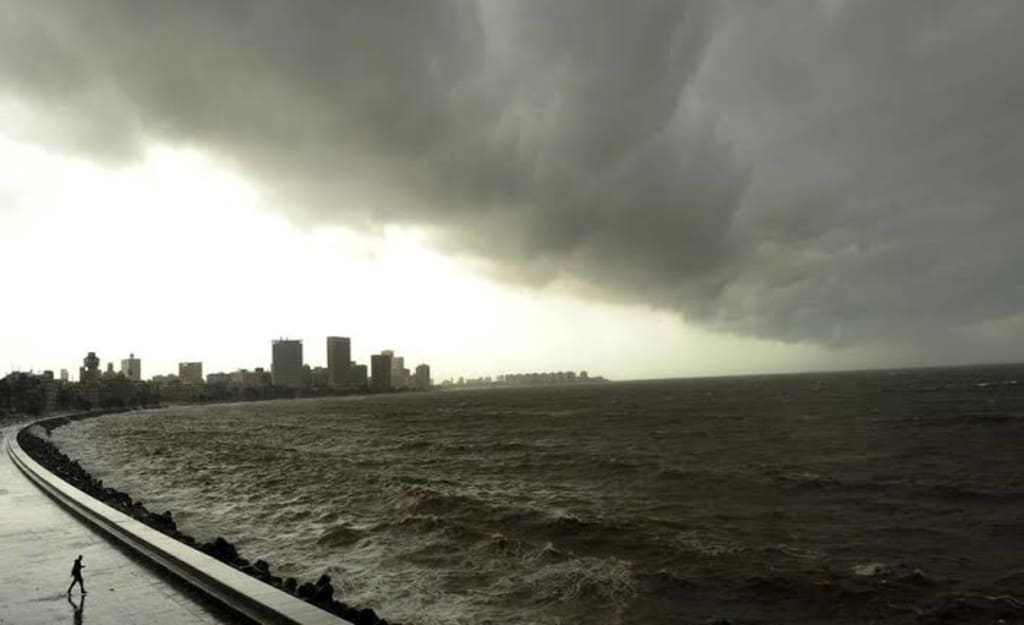
This week, we are launching an update to our ongoing series that explores the far-reaching consequences of climate change, which continues to pose a significant challenge worldwide. In our latest installment, we delve into the implications of rising sea levels on coastal communities, specifically focusing on cities like Miami and San Francisco. The severity of this issue cannot be overstated, as it threatens the very existence of these communities along the coast. Joining us to shed light on this pressing matter is Akiko Fujita from Yahoo Finance.
Akiko, the gravity of this situation is escalating rapidly. When we consider the impact of climate change on sea levels, the correlation becomes undeniable. Miami has long been at the forefront, grappling with higher sea levels and increasingly powerful hurricanes. Consequently, many developers are now diverting their attention inland, away from the vulnerable waterfront areas. However, this shift in development patterns is inadvertently pushing into lower-income neighborhoods, leading to concerns about rapid gentrification. It is a distressing situation, particularly considering the financial hardships many individuals are already facing when it comes to affording rent.
Miami's waterfront has always been regarded as prime real estate, commanding exorbitant prices due to its exclusive views of South Beach and Fisher Island. Unfortunately, the value of these properties is starting to erode due to the encroaching waters. Orlando Villavicencio, a long-time resident of Little Havana, has noticed a dramatic rise in costs since he first moved there in 1996. His community, rooted in Little Havana for a quarter of a century, is now experiencing an influx of outsiders attracted by its higher elevation compared to the beachfront condos, standing nearly 6 feet above sea level. As development intensifies inland, gentrification pressures are becoming more evident, and these climate-driven fears are reshaping the definition of prime real estate.
The impact of climate change goes beyond hurricanes. Miami is now experiencing "king tides" or dry day flooding twice a year, and the intensity of rainfall has increased significantly. Previously, such extreme events occurred once every five years, but now they happen five times annually. These events are redefining the value of properties, with elevation playing a crucial role. Compared to the waterfront's two to four feet above sea level, areas like Little Havana boast elevations of nine to ten feet. While this might seem insignificant, it marks a substantial difference and attracts developers, who often displace long-time residents, leading to the phenomenon of climate gentrification.
Gentrification, driven by urbanization and traffic avoidance, takes on a new dimension when climate change enters the equation. High-elevation regions, formerly low-income areas, are now witnessing the same patterns of gentrification. Little Haiti, for instance, is undergoing massive development, with land apartments replacing single-family homes. Concerned residents, worried about being priced out of their homes, are organizing to address the situation. Some view this as an opportunity to eradicate blight and boost economic growth, but the costs of such development are not to be underestimated.
Miami already faced an affordability crisis, with a 20% population increase over the past decade. Climate risks have only exacerbated the problem. While the city allocated $100 million to construct affordable housing, luxury buyers appear unfazed by climate-related concerns and continue to invest in the region. Memories of devastating storms quickly fade, and properties regain their market value. In Little Havana, Orlando Villavicencio has decided that, despite his deep roots in the area, he will leave in search of a more peaceful and affordable home once his wife retires.
It's important to acknowledge that the issue of rising sea levels and gentrification extends well beyond Miami. Mayor Suarez recognizes the global nature of this problem and maintains constant communication with leaders from cities like Rotterdam and Venice, which also face similar challenges.
About the Creator
Keep reading
More stories from writers in Earth and other communities.
Olandria Carthen Shines as a Walking Work of Art at Paris Fashion Week
A Star Emerges in the Fashion Capital Olandria Carthen has made a striking impression at Paris Fashion Week, turning heads with every step on the runway. Known for her bold, artistic aesthetic, Carthen is being celebrated as a modern muse, seamlessly merging fashion with performance art.
By Aarif Lashari6 days ago in Earth




Comments
There are no comments for this story
Be the first to respond and start the conversation.