
The Impact of Climate Change on Agriculture and Food Security
Understanding the Challenges and Solutions

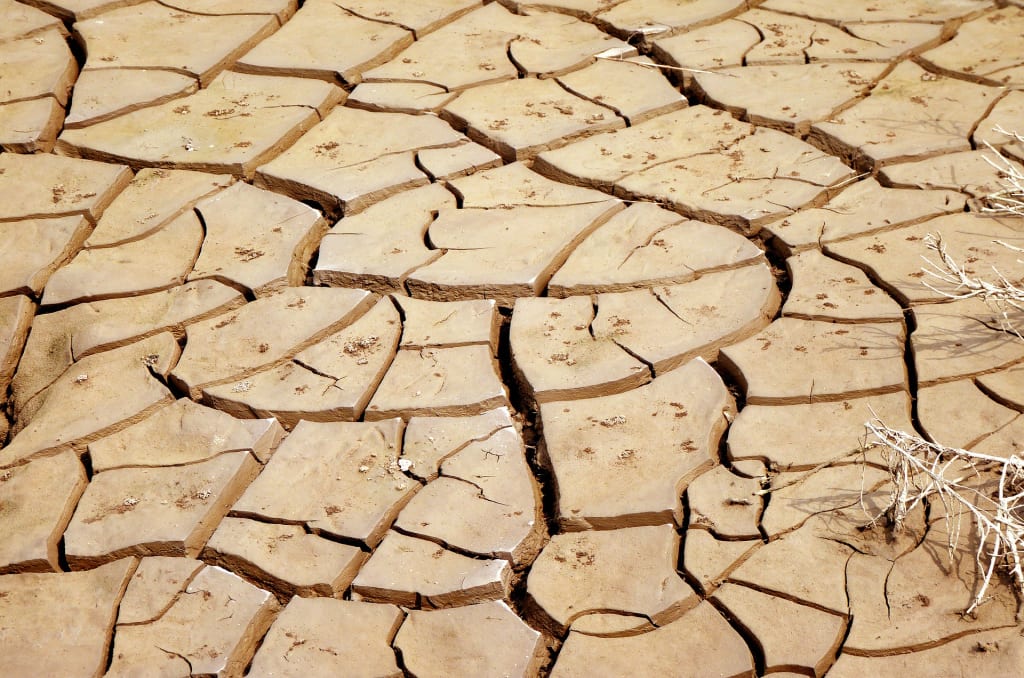
Climate change is having a significant impact on agriculture and food security around the world. Changes in temperature and precipitation patterns are causing crop failures, livestock deaths, and food shortages, particularly in developing countries. As the world's population continues to grow and demand for food increases, it is important to understand the impact of climate change on agriculture and food security.
Agriculture is particularly vulnerable to the effects of climate change. Rising temperatures, changing rainfall patterns, and extreme weather events such as droughts, floods, and heatwaves can have devastating effects on crops and livestock. In addition, increased pest and disease pressure can further reduce crop yields, making it harder for farmers to produce enough food to meet the demands of their communities.
The impact of climate change on agriculture is already being felt in many parts of the world. In sub-Saharan Africa, for example, prolonged droughts and changing rainfall patterns are leading to crop failures and livestock deaths, resulting in food shortages and rising prices. In South Asia, rising temperatures and changing monsoon patterns are affecting rice and wheat production, which are major staple crops in the region.
The impact of climate change on agriculture and food security is not just a problem for developing countries. In the United States, for example, extreme weather events such as floods and hurricanes have caused billions of dollars in agricultural losses in recent years. In addition, rising temperatures and changing rainfall patterns are affecting crop yields and livestock production in many regions of the country.
To address the impact of climate change on agriculture and food security, there are several strategies that can be pursued. One approach is to develop more climate-resilient crop varieties and livestock breeds that can better withstand changing environmental conditions. Another approach is to improve water management and irrigation systems, to help farmers cope with changing rainfall patterns and droughts. In addition, farmers can adopt more sustainable agricultural practices, such as conservation agriculture and agroforestry, which can help to reduce greenhouse gas emissions and build soil health.
To achieve global food security in the face of climate change, it is also important to address the root causes of climate change. This means reducing greenhouse gas emissions from all sectors of the economy, including agriculture. This can be achieved through a variety of approaches, such as reducing food waste, increasing energy efficiency, and transitioning to renewable energy sources.
In conclusion, climate change is having a significant impact on agriculture and food security around the world. To address this challenge, we need to pursue a range of strategies, including developing more climate-resilient crop and livestock varieties, improving water management and irrigation systems, and promoting sustainable agricultural practices. In addition, we need to take action to reduce greenhouse gas emissions from all sectors of the economy, to ensure a sustainable future for ourselves and future generations.Climate change is having far-reaching consequences on the agricultural sector, affecting food security in numerous ways. As temperatures continue to rise and rainfall patterns become increasingly unpredictable, crop yields are expected to decline, and many farmers are struggling to keep up with the changes.
The impact of climate change on agriculture is not limited to crop production alone; livestock farming is also at risk. Animals are more susceptible to heat stress, and grazing lands are often affected by droughts, leaving animals without sufficient food and water. The decline in livestock production not only affects food supply but also threatens the livelihoods of farmers who depend on livestock for income.
As global temperatures continue to increase, extreme weather events like floods, hurricanes, and droughts are becoming more common, further exacerbating the impact of climate change on agriculture. These extreme events can lead to the loss of crops, soil erosion, and damage to infrastructure, causing significant economic losses for farmers and communities.
The impact of climate change on agriculture and food security is not just limited to developing countries. In the United States, for example, extreme weather events have caused severe damage to crops, livestock, and infrastructure, costing billions of dollars in losses. Even highly industrialized countries with advanced agricultural technologies are feeling the effects of climate change, and it is becoming increasingly clear that we need a more sustainable and resilient food system.
To address the impact of climate change on agriculture and food security, we need to take collective action. Governments and international organizations need to prioritize investments in climate-resilient agriculture, and support farmers in adopting sustainable agricultural practices. In addition, there is a need for more research and development of new technologies that can help to mitigate the impact of climate change on agriculture.
Consumers also play a vital role in addressing the impact of climate change on agriculture and food security. Choosing to buy food produced sustainably and locally can help to reduce greenhouse gas emissions and support sustainable farming practices. Reducing food waste is also essential in the fight against climate change, as food waste is a significant contributor to greenhouse gas emissions.
In conclusion, the impact of climate change on agriculture and food security is a significant global challenge. Addressing this challenge will require collective action, with governments, farmers, and consumers all playing a vital role. With the right investments in sustainable agriculture and a shift towards more climate-resilient farming practices, we can create a more sustainable and resilient food system that can help to feed a growing population in the face of climate change.
About the Creator
Dear Mother Earth
The concept of Mother Earth has gained renewed attention in recent years as people have become more aware of the environmental challenges facing the planet. Climate change, pollution, deforestation, and other human activities.
Reader insights
Outstanding
Excellent work. Looking forward to reading more!
Top insight
Heartfelt and relatable
The story invoked strong personal emotions
Keep reading
More stories from Dear Mother Earth and writers in Earth and other communities.
"The Impact of Climate Change on Our Oceans.
Climate change has become a significant issue affecting our planet in numerous ways, including its impact on the oceans. The ocean is a vital part of the Earth's ecosystem, and climate change is having a profound effect on it, with devastating consequences for marine life, coastal communities, and the economy. In this article, we will explore the various ways in which climate change is affecting our oceans.
By Dear Mother Earth3 years ago in Earth
Saudi Arabia Flour Market Size and Forecast 2025–2033
The Saudi Arabia Flour Market is undergoing a significant transformation, supported by population growth, urbanization, dietary changes, and government initiatives to strengthen food security. According to Renub Research, the market is expected to grow from US$ 2.01 billion in 2024 to US$ 3.03 billion by 2033, registering a compound annual growth rate (CAGR) of 4.66% from 2025 to 2033.
By Sushant. Renub Research3 days ago in Earth
Plans Lodged for Assembly Rooms Replacement
Plans have been officially submitted for the replacement of the historic Assembly Rooms, signaling a significant transformation in the heart of the city. The Assembly Rooms, long regarded as a cultural and architectural landmark, have been a venue for public gatherings, performances, and civic events for decades. With the new plans now lodged, the community, local authorities, and heritage groups are preparing for a debate over modern development versus preserving historical character.
By Muhammad Hassan6 days ago in Earth




Comments (1)
Great