
The Impact and Future of Nuclear Energy
A Comprehensive Analysis

N
Effect of
C
Title A Comprehensive Analysis
Introduction:
Nuclear energy has been a subject of significant debate and discussion for decades. With concerns about climate change, energy security, and the depletion of fossil fuel reserves, nuclear power has emerged as a potential solution to meet the world's growing energy demands while reducing greenhouse gas emissions. This essay aims to explore the multifaceted impact of nuclear energy on various aspects, including environmental, economic, social, and technological factors. By examining both the benefits and drawbacks of nuclear power, we can better understand its role in shaping our energy future.
I. Environmental Impact of Nuclear Energy:
Carbon Emissions: Nuclear power plants generate electricity without emitting significant greenhouse gases. This characteristic makes them an attractive option for reducing carbon dioxide emissions and combating climate change.
Land and Water Usage: Nuclear power plants require relatively small land areas compared to renewable energy sources like wind and solar. Additionally, their water usage is relatively moderate, making them suitable for regions with water scarcity concerns.
Radioactive Waste Management: The disposal of nuclear waste is a critical concern. However, technological advancements have allowed for the safe storage and management of nuclear waste, minimizing the potential environmental risks.
II. Economic Implications of Nuclear Energy:
Energy Independence: Nuclear energy reduces dependence on fossil fuel imports, contributing to energy security and reducing vulnerability to price fluctuations and geopolitical tensions.
Job Creation and Economic Growth: The nuclear energy sector creates a significant number of jobs, ranging from plant construction to operation and maintenance. Additionally, the growth of the nuclear industry can stimulate local economies and foster innovation and technological advancements.
Cost Considerations: While nuclear power plants require substantial upfront investments, they have relatively low operating costs and long operational lifespans. However, challenges related to construction delays and regulatory hurdles can impact cost-effectiveness.
III. Social Considerations and Public Perception:
Safety Concerns: Nuclear accidents, such as the Chernobyl and Fukushima incidents, have raised questions about the safety of nuclear power. However, it is essential to acknowledge that these events were rare and resulted from specific design flaws and human errors.
Public Acceptance and Perception: Nuclear power often faces public skepticism due to concerns about radiation, waste disposal, and the potential for accidents. Educating the public about the safety measures, technological advancements, and regulatory frameworks can help address these concerns and improve public acceptance.
Nuclear Weapons Proliferation: The connection between nuclear energy and the proliferation of nuclear weapons is a contentious issue. Strict international non-proliferation treaties and robust safeguards are necessary to prevent misuse of nuclear technology.
IV. Technological Advancements and Future Prospects:
Advanced Reactor Technologies: Research and development efforts are focused on advanced reactor designs, such as small modular reactors (SMRs) and Generation IV reactors, which offer enhanced safety features, increased efficiency, and reduced waste generation.
Nuclear Fusion: The development of nuclear fusion as a viable energy source holds immense potential for clean, abundant, and sustainable energy. While significant technical challenges remain, successful fusion implementation could revolutionize the energy landscape.
Integration with Renewables: Nuclear power can complement intermittent renewable sources by providing a stable baseload power supply. Integrated energy systems that combine nuclear energy with renewables and energy storage technologies offer a promising avenue for a sustainable energy future.
Conclusion:
Nuclear energy has a complex set of impacts that extend across environmental, economic, social, and technological dimensions. While it presents several advantages, such as low carbon emissions and energy security, challenges related to waste management, safety concerns, and public perception must be adequately addressed. Additionally, ongoing research and development efforts are crucial for advancing reactor technologies, exploring nuclear fusion, and integrating nuclear power with renewables. Ultimately, nuclear energy's role in.
About the Creator
Keep reading
More stories from writers in Earth and other communities.
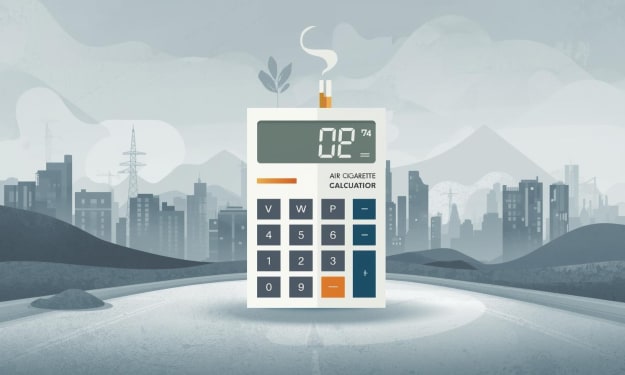
AQI Cigarette Calculator: Understanding Air Pollution
The air we breathe is a complex mixture of gases and particles, many of which are invisible to the naked eye. While we can feel the heat of a sunny day or the chill of the wind, the silent, creeping impact of air pollution is far less tangible. This lack of tangibility makes it a difficult public health threat to communicate and motivate action against. A powerful innovation in environmental health communication has emerged to bridge this gap: the concept of the AQI cigarette calculator.
By Walter Schiller-Anders5 days ago in Earth
Trouble at the Tea Leafing Café
The rain had started right around the time that Annie was buttering her second thick slice of homemade toast for breakfast, and hadn’t paused since. Not that anyone could tell. The windows of the café were fogged over, and with every seat filled with happy customers munching on fresh baked pastries or steaming bowls of the delicious soup of the day, it was hardly surprising. Annie looked around the room, finally taking a moment to breathe after the lunch time rush. Her old life already felt like a bad memory, a part of her history, always, but just that. History.
By Hannah Moore4 days ago in Fiction



Comments
There are no comments for this story
Be the first to respond and start the conversation.