
The Hidden Dangers of Medical Waste: Why Proper Disposal Matters for Public Health
How Waste Affects Us

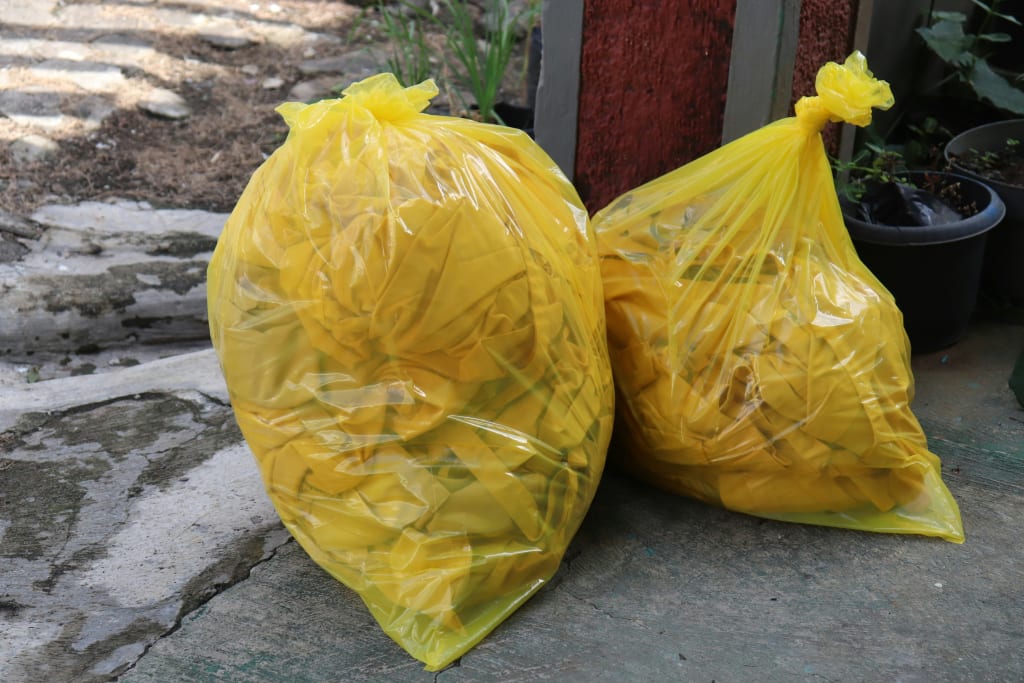
Proper medical waste disposal in a healthcare facility is about more than just following the rules blindly. Once you know and understand why these rules are in place, you can take more effective precautionary measures to better protect patients, staff, and the environment around you. While legal consequences can be serious if you’re found to be disposing of medical waste improperly, the true consequences can also include severe health hazards for patients and staff, as well as environmental damage.
As you read through this blog, you’ll start to understand why compliant procedures for medical waste disposal are so essential. Learn more about the dangers of improper disposal and how you can prevent these situations in your own facility today.
1. Endangering Staff & Patients
If you’re serious about protecting staff and patients while they’re in your facility, you can be sure that proper medical waste disposal is critical. Healthcare workers, waste management staff, and patients are all at risk from improper disposal of medical waste, including from exposure to bacteria, viruses, and bloodborne pathogens. For example, if you don’t use appropriate containers for sharps disposal, your facility may be responsible for outbreaks of tuberculosis, HIV, Hepatitis B, and other infectious diseases passed through needlestick injuries.
Furthermore, you also need to consider proper disposal for hazardous chemicals, as without the right safety measures, you could be exposing everyone in your facility to toxic chemicals that may cause respiratory issues, chemical burns, and other long-term health issues.
In addition to having appropriate containers for disposal, you should also be training your staff on how to handle waste. Just because procedures and tools are in place doesn’t mean your team knows how to use them. Make sure they understand the importance of every regulation and measure to encourage compliance in your entire facility.
2. Long-Term Environmental Damage
Whether it’s infectious waste, pharmaceuticals, or chemicals, your medical waste can contaminate water supplies, cause air pollution, and harm wildlife if you don’t handle it properly. Most medical supplies must be chemically treated or safely incinerated to prevent harmful chemicals and pathogens from infecting the groundwater and soil around your facility.
Pollution in both groundwater and soil has far-reaching consequences, as these areas may be the source for local water that supplies municipal needs, agricultural needs, and the various plants and animals living in the area. Even more concerning, the open burning of any medical waste can release toxic pollution into the air, resulting in respiratory issues in communities nearby.
Using the right containers for sharps and following all regulatory standards set forth by regulatory agencies can prevent these long-term environmental impacts that can cause significant damage throughout the entire community.
3. Costly Fines & Penalties
If protecting the environment and the health of your employees and patients isn’t enough to convince you to dispose of your medical waste properly, perhaps a series of fines and penalties can ensure compliance in your medical facilities. These not-so-hidden costs are clearly laid out by regulatory bodies like the EPA (Environmental Protection Agency) and OSHA (Occupational Safety and Health Administration).
Both organizations have very strict guidelines for medical waste disposal, and any non-compliance can result in legal action, fines, or both. Fines range according to the severity of the non-compliance, the size of the facility, and how many violations have occurred. Fines may be as low as a few thousand dollars or as high as a few million. These fines can even be high enough to deplete funding for your facility, forcing you to shut down.
Unfortunately, fines from regulatory agencies aren’t the only penalties an organization may have to pay. If severe environmental and public health issues are traced back to improper waste disposal from your facility, you may face lawsuits from private individuals, class action suits, and government agencies — all of which damage your reputation and financial stability.
4. Hidden Costs of Non-Compliance
While on paper, cutting a few corners during medical waste disposal may seem like it’s saving you money, it can lead to significant financial losses in the future. Some of the hidden costs that may later affect your facility may include:
- Treatment for injuries or infections from inappropriate waste disposal
- Expenses related to retraining staff to meet regulations
- Costs of PPE (Personal Protective Equipment)
- Expenses associated with lawsuits
- Fees for correcting compliance violations
Worse, the damage done to your reputation from even a single incident of improper waste management can lose patient trust. If patients start seeking care elsewhere, your bottom line suffers even more.
Don’t Ignore Safe Medical Waste Disposal
All of these dangers of unsafe waste disposal result in serious consequences for your facility, staff, patients, and the general community. From the legal to the environmental, these risks are too significant to ignore. Understanding the laws that govern waste disposal will help you avoid damage to your facility and reputation while helping keep everyone around you safe.
Guarantee Safe Disposal
There are many organizations that can guide you through proper medical waste disposal for healthcare facilities, as well as companies that sell appropriate waste management essentials, like the containers, cabinets, and chemicals needed to follow OSHA and EPA guidelines. Read up on the safe and secure disposal of every type of medical waste your facility has to deal with to ensure you understand all appropriate measures, including those for sharps, pharmaceuticals, and biohazardous waste.
And remember, your training and guides may have to evolve as regulations change or your facility grows to include additional services. Update your guidelines and procedures accordingly to maintain a stellar safety record!
About the Creator
Aaron Smith
Aaron is a content strategist and consultant in support of STEM firms and medical practices. He covers industry developments and helps companies connect with clients. In his free time, he enjoys swimming, swing dancing, and sci-fi novels.
Keep reading
More stories from Aaron Smith and writers in Earth and other communities.
The Best Travel-Friendly Charging Solutions for Mobile Devices
Whether you’re a regular globetrotter or just someone who likes to step out once in a while, keeping your mobile devices charged can sometimes be more complicated than it should be. Airports and hotels are not always reliable, and you never know when you’ll find your next charging point if you’re heading out into the wild. Find the best travel-friendly charging solutions for your favorite devices with this quick guide.
By Aaron Smithabout a year ago in Wander
Saudi Arabia Biodegradable Plastic Market Size and Forecast 2025–2033
Saudi Arabia Biodegradable Plastic Market Outlook 2025–2033 Saudi Arabia’s biodegradable plastic market is entering a decisive growth phase as sustainability becomes a national priority rather than a niche initiative. According to Renub Research, the Saudi Arabia Biodegradable Plastic Market is expected to grow from US$ 78.65 million in 2024 to US$ 221.98 million by 2033, registering a strong CAGR of 12.22% during the forecast period 2025–2033.
By Marthan Sirabout 16 hours ago in Earth



Comments
There are no comments for this story
Be the first to respond and start the conversation.