
The Greenhouse Effect and Global Warming
Understanding the natural process that keeps Earth's temperature balanced.

The greenhouse effect is a fundamental process that regulates the Earth's temperature by trapping heat in the atmosphere. This natural phenomenon allows life to thrive on our planet, maintaining a stable and habitable climate. However, human activities, particularly the burning of fossil fuels, have significantly enhanced the greenhouse effect, leading to global warming and a host of environmental and societal challenges.
1. The Basics of the Greenhouse Effect:
Explanation of how the greenhouse effect works: certain gases in the Earth's atmosphere, known as greenhouse gases (GHGs), allow sunlight to enter but prevent some of the outgoing heat from escaping.
Major greenhouse gases: carbon dioxide (CO2), methane (CH4), nitrous oxide (N2O), and fluorinated gases.
2. Human Activities and Enhanced Greenhouse Effect:
The Industrial Revolution and the surge in fossil fuel consumption as a primary driver of increased greenhouse gas emissions.
Deforestation and land-use changes as additional sources of CO2 emissions.
3. Global Warming and Temperature Trends:
Historical temperature records showing a steady increase in global average temperatures over the past century.
Role of climate models in understanding and projecting future temperature trends.
4. Impacts of Global Warming:
Melting ice and rising sea levels: Implications for coastal communities and ecosystems.
Changes in weather patterns: Increased frequency and intensity of extreme weather events, such as hurricanes, droughts, and heatwaves.
5. Ocean's Role in Climate Regulation:
How oceans absorb and store heat, playing a vital role in regulating global temperatures.
Ocean acidification due to increased CO2 levels and its impact on marine ecosystems.
6. Feedback Loops and Tipping Points:
Positive feedback loops: Examples include melting ice reducing the planet's albedo effect, which in turn accelerates warming.
Tipping points: Critical thresholds that, when crossed, trigger abrupt and irreversible changes in the climate system.
7. Mitigation and Adaptation Strategies:
Mitigation: Efforts to reduce greenhouse gas emissions through renewable energy adoption, energy efficiency, and policy interventions.
Adaptation: Strategies to cope with the impacts of global warming, such as building resilient infrastructure and implementing disaster preparedness plans.
8. International Agreements and Climate Diplomacy:
Key milestones in international climate agreements, including the United Nations Framework Convention on Climate Change (UNFCCC) and the Paris Agreement.
Challenges and successes in global cooperation to address climate change.
9. Role of Science and Public Awareness:
The role of scientific research and data in understanding the greenhouse effect and global warming.
Public awareness campaigns and education as drivers of behavioral change and policy advocacy.
In summary, the greenhouse effect is a natural process that keeps Earth's temperature within a habitable range. However, human activities have intensified this effect, leading to global warming and its associated impacts. Addressing global warming requires a combination of mitigation strategies to reduce greenhouse gas emissions and adaptation efforts to cope with changes that are already underway. Public awareness and international cooperation are crucial in tackling this complex and urgent challenge.
Certainly, government solutions play a crucial role in addressing the challenges posed by the greenhouse effect and global warming. Here are some key strategies that governments can implement to tackle these issues:
1. Carbon Pricing and Emissions Regulations:
Implementing carbon pricing mechanisms such as carbon taxes or cap-and-trade systems to incentivize industries to reduce emissions.
Enforcing stringent emissions regulations on industries and power plants to limit their greenhouse gas output.
2. Investment in Renewable Energy:
Offering incentives and subsidies for the development and adoption of renewable energy sources like solar, wind, and hydroelectric power.
Promoting research and development to advance renewable energy technologies and make them more accessible.
3. Energy Efficiency Standards:
Establishing and enforcing energy efficiency standards for appliances, vehicles, and buildings to reduce energy consumption and emissions.
4. Reforestation and Afforestation Programs:
Launching initiatives to restore and expand forests, which act as carbon sinks by absorbing carbon dioxide from the atmosphere.
Promoting sustainable land-use practices to prevent deforestation and encourage afforestation.
5. Sustainable Transportation Policies:
Investing in public transportation infrastructure to reduce the reliance on private vehicles and lower transportation-related emissions.
Promoting the adoption of electric vehicles and establishing charging infrastructure.
6. Climate Adaptation Strategies:
Developing and implementing plans to adapt to the changing climate, including building resilient infrastructure to withstand extreme weather events.
Creating early warning systems and disaster preparedness plans for vulnerable communities.
7. International Climate Agreements:
Participating in international agreements like the Paris Agreement to commit to specific emissions reduction targets and foster global cooperation.
Collaborating with other nations to share best practices, knowledge, and resources for tackling climate change.
8. Green Building Codes:
Introducing codes and standards that promote energy-efficient and sustainable building practices, reducing energy consumption in the construction sector.
9. Public Awareness Campaigns:
Launching educational campaigns to raise public awareness about the impacts of climate change and the importance of individual action.
Encouraging behavior changes such as energy conservation, waste reduction, and sustainable consumption.
10. Research and Innovation Support:
- Allocating funds for research into climate science, technology, and innovation that can contribute to mitigation and adaptation efforts.
- Facilitating the development and deployment of innovative solutions for emissions reduction.
11. Green Finance and Investment:
- Encouraging financial institutions to invest in climate-friendly projects and companies.
- Offering incentives for green bonds and sustainable investments.
12. Collaborative Governance:
- Engaging stakeholders from various sectors, including industry, academia, and civil society, to collectively address climate change challenges.Governments have a significant role to play in both mitigating the greenhouse effect through emissions reduction and adapting to the changes that global warming brings. A combination of regulatory measures, incentives, public engagement, and international cooperation is necessary to effectively combat climate change and create a sustainable future.
About the Creator
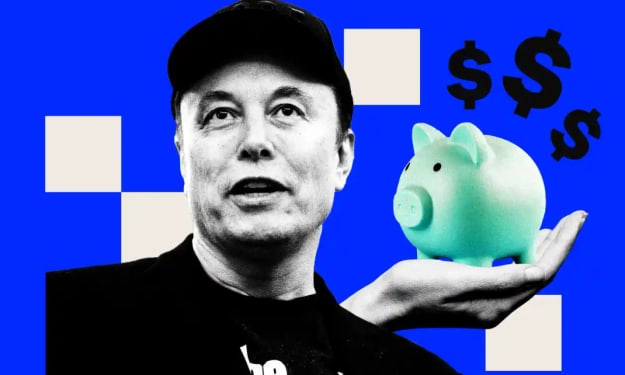
Elon Musk Says Retirement Savings “Won’t Matter” in 20 Years—Here’s What Experts Think
Recently, Elon Musk sparked a heated debate on social media with a bold claim: in 20 years, traditional retirement savings “won’t matter.” The Tesla and SpaceX CEO suggested that the way people think about money and retirement today might be completely obsolete in a couple of decades. As usual, Musk’s statements are equal parts provocative and visionary, leaving many wondering whether they should rethink their financial plans entirely. To get clarity, we reached out to seven personal finance and AI experts to hear their thoughts on Musk’s prediction. Their insights provide a mix of caution, optimism, and futuristic thinking. 1. The Case for Obsolescence: AI and Automation AI strategist Dr. Karen Liu believes Musk isn’t exaggerating when he talks about the diminishing importance of retirement savings. “If AI and automation continue at the current pace, many traditional jobs could disappear,” she explains. “By 2046, people might earn income from AI-driven ventures, digital assets, or royalties rather than a 9-to-5 paycheck. In that case, the way we save for retirement could indeed look very different.” She emphasizes that new financial models might emerge, such as universal basic income (UBI) or AI-managed wealth portfolios, making conventional retirement accounts less critical. “People might no longer need 401(k)s or IRAs in the same way we do now,” she adds. 2. The Human Factor: Some Things Don’t Change Personal finance advisor Marcus Bell takes a more conservative view. “Even if the economy changes drastically, money management skills won’t be irrelevant,” he says. “Musk may be right that retirement savings as we know them may evolve, but having a financial cushion will always matter. Emergencies, healthcare costs, and life changes won’t disappear.” Bell suggests a hybrid approach: continue contributing to traditional retirement accounts while exploring alternative investments like digital currencies, AI-managed funds, or entrepreneurial ventures. 3. Cryptocurrency and the Digital Asset Revolution Crypto expert Priya Desai sees Musk’s comment as a nod toward the rise of digital assets. “By 2046, much of personal wealth may reside in cryptocurrencies, tokenized real estate, and NFTs rather than bank accounts or pensions,” she says. Desai believes that blockchain technology could redefine ownership and wealth accumulation, making traditional retirement savings less central. However, she cautions: “Digital assets are highly volatile. While they may replace some retirement vehicles, they aren’t a guaranteed substitute. Diversification will remain crucial.” 4. AI-Powered Wealth Management AI entrepreneur Rohan Kapoor points out that AI itself could make traditional retirement planning almost obsolete. “Imagine AI systems that continuously optimize your investments, taxes, and spending in real-time,” he says. “If AI handles wealth accumulation more efficiently than humans, you may not need to manually save and plan decades in advance.” Kapoor predicts that by 2046, AI advisors could create personalized financial lifelines that automatically adjust for inflation, market changes, and lifestyle goals. In this scenario, traditional 401(k)s might feel outdated. 5. The Social Safety Net Factor Economist Dr. Elise Morgan reminds us that social and political structures will also play a role. “Even if technology changes how wealth is accumulated, government programs like Social Security, healthcare, or UBI will shape retirement,” she explains. “Musk’s statement assumes a high-tech, highly automated economy, which is just one possible scenario.” Morgan urges caution: relying solely on futuristic predictions could be risky. Traditional savings may still act as a fallback if economic or technological disruptions fail to deliver as Musk anticipates. 6. Mindset and Wealth Beyond Money Financial psychologist Sandra Liu emphasizes that wealth isn’t only monetary. “Even if retirement accounts lose their traditional meaning, financial literacy, resourcefulness, and the ability to leverage technology will remain critical skills,” she says. “Musk’s prediction is more about mindset than accounts. People who can adapt, innovate, and use technology to generate income will thrive regardless of conventional savings.” 7. Preparing for the Future, Not Panicking Finally, futurist Jared Thompson encourages a pragmatic approach: “Don’t panic or abandon your retirement plan just because Elon Musk said so. Think of it as a signal to diversify—invest in tech, learn AI skills, and explore new income streams.” Thompson suggests a “layered strategy”: keep some traditional retirement savings while experimenting with AI-driven investment platforms, cryptocurrencies, and entrepreneurial projects. What Does This Mean for You? Musk’s prediction may sound extreme, but the expert opinions reveal a spectrum of possibilities. Here’s a practical takeaway: Keep saving, but diversify: Don’t abandon retirement accounts, but explore AI-driven investments, crypto, or digital assets. Invest in skills: AI, coding, and tech literacy may be as valuable as cash reserves in 20 years. Embrace flexibility: Financial plans should be adaptable to rapid technological and societal changes. Mind the basics: Emergency funds, debt management, and smart spending remain essential regardless of tech trends. In short, Musk’s warning isn’t necessarily a call to abandon traditional retirement planning—it’s a reminder that the future of money is changing rapidly. Those who combine conventional strategies with an eye on emerging technologies may be the ones who truly thrive in 2046. Conclusion: Elon Musk’s claim that retirement savings “won’t matter” in 20 years is provocative, but it opens an important conversation about the intersection of finance, technology, and the future of work. While some experts see it as a harbinger of radical change, others stress prudence and flexibility. Either way, the message is clear: the next two decades will demand both financial savvy and tech literacy. The question isn’t whether retirement savings will disappear—it’s whether you’ll adapt to the evolving financial landscape.
By Muhammad Hassan3 days ago in Earth
Things you don't know about Africa
Africa: What You Probably Didn’t Know Article No. 1671 Tuesday, 25 February 2020 By Wardah Baloch In terms of land area, Africa is the second-largest continent in the world. It covers nearly 22 percent of the world’s total landmass and about 6 percent of the Earth’s total surface area. Only Asia is larger than Africa in size.
By Sudais Zakwan4 days ago in Earth



Comments
There are no comments for this story
Be the first to respond and start the conversation.