
The Great White Shark: Apex Predator of the Ocean
Exploring the Myths and Marvels of the Ocean's Apex Predator


The great white shark (Carcharodon carcharias) is one of the most iconic and formidable predators in the ocean. Known for its size, power, and distinctive appearance, this species has captivated the imagination of humans for centuries. From its role in marine ecosystems to its portrayal in popular culture, the great white shark is a creature that evokes both awe and fear. In this article, we will explore the biology, behavior, habitat, conservation status, and the myths surrounding the great white shark.
Physical Characteristics
Great white sharks are among the largest predatory fish in the world. They can grow up to 20 feet (6 meters) in length, although most adults range between 13 to 16 feet (4 to 5 meters). Weighing between 1,500 to 2,400 pounds (680 to 1,100 kg), these sharks are built for speed and power. Their bodies are streamlined, allowing them to swim efficiently through the water.
One of the most recognizable features of the great white shark is its coloration. They have a distinctive counter-shading pattern, with a white underside and a grayish top. This coloration serves as camouflage, helping them blend into the ocean when viewed from above and below. Their large, conical snouts house rows of sharp, serrated teeth that can measure up to 3 inches (7.6 cm) in length. These teeth are designed for gripping and tearing flesh, making them effective hunters.
Habitat and Distribution
Great white sharks are found in coastal and offshore waters in temperate and tropical regions around the world. They are most commonly spotted in areas with abundant prey, such as seals and sea lions. Some of the most well-known locations for great white shark sightings include the waters off the coasts of California, South Africa, Australia, and the Mediterranean Sea.
These sharks are known to migrate long distances in search of food and suitable breeding grounds. For example, great whites in the eastern Pacific are known to travel from California to Hawaii and back, covering thousands of miles. Their migratory patterns are influenced by water temperature, prey availability, and breeding cycles.
Diet and Hunting Behavior
As apex predators, great white sharks play a crucial role in maintaining the balance of marine ecosystems. Their diet primarily consists of marine mammals, such as seals, sea lions, and dolphins, but they also consume fish, squid, and carrion. Great whites are opportunistic feeders, meaning they will take advantage of whatever prey is available.
Great white sharks employ a unique hunting strategy known as breaching. This involves swimming rapidly towards the surface and launching themselves out of the water to surprise their prey. This behavior is particularly common when hunting seals, as it allows the shark to catch them off guard. Once they breach, they use their powerful jaws to grab their prey before returning to the water.
In addition to breaching, great whites also use a technique called spy hopping, where they raise their heads above the water to survey their surroundings. This behavior helps them locate potential prey and assess their environment.
Reproduction and Lifespan
Great white sharks are ovoviviparous, meaning that the eggs hatch inside the female's body, and she gives birth to live young. After a gestation period of approximately 11 months, a female great white can give birth to between 2 to 14 pups, depending on her size and health. The pups are born at around 4 to 5 feet (1.2 to 1.5 meters) in length and are fully independent from birth.
The lifespan of great white sharks is estimated to be around 70 years, although some individuals may live longer. They reach sexual maturity at around 15 to 16 years of age for females and 10 to 12 years for males. Due to their slow reproductive rate, great whites are particularly vulnerable to overfishing and environmental changes.
Conservation Status
The great white shark is classified as a vulnerable species by the International Union for Conservation of Nature (IUCN). Their populations have declined significantly due to overfishing, bycatch, and habitat loss. Commercial fishing practices, such as longlining and gillnetting, pose a significant threat to great whites, as they often become entangled and drown.
In addition to direct fishing pressures, great white sharks are also affected by the decline of their prey species, such as seals and sea lions, due to human activities. Climate change and ocean pollution further exacerbate the challenges faced by these sharks, as rising temperatures and changing oceanic conditions can impact their migratory patterns and breeding success.
Conservation efforts are underway to protect great white sharks and their habitats. Many countries have implemented regulations to limit fishing and protect critical habitats. In some regions, such as California and South Africa, great whites are protected by law, and shark cage diving has become a popular ecotourism activity that raises awareness about their conservation.
Myths and Misconceptions
Despite their status as apex predators, great white sharks are often misunderstood and misrepresented in popular culture. Movies like Jaws have perpetuated the myth that great whites are mindless killers that pose a constant threat to humans. In reality, shark attacks are extremely rare, and most encounters with humans are cases of mistaken identity.
Great white sharks do not actively seek out humans as prey. Many attacks are believed to be exploratory bites, where the shark is trying to determine what the object is. Once they realize that the human is not their preferred prey, they typically swim away. According to the International Shark Attack File, the likelihood of being bitten by a shark is about 1 in 3.7 million.
Education and awareness are crucial in dispelling these myths and promoting a better understanding of great white sharks. By highlighting their ecological importance and the threats they face, we can foster a greater appreciation for these magnificent creatures and the need for their conservation.
Conclusion
The great white shark is a remarkable species that plays a vital role in the health of marine ecosystems. As apex predators, they help regulate prey populations and maintain the balance of ocean life. However, their survival is threatened by human activities, and it is our responsibility to protect them and their habitats.
Through conservation efforts, education, and responsible management, we can ensure that future generations will have the opportunity to marvel at the great white shark in its natural environment. By understanding and respecting these incredible creatures, we can work towards a future where humans and sharks coexist harmoniously in the ocean.
About the Creator
Trend Vantage
Covering the latest trends across business, tech, and culture. From finance to futuristic innovations, delivering insights that keep you ahead of the curve. Stay tuned for what’s next!
Keep reading
More stories from Trend Vantage and writers in Earth and other communities.
Eagles: The Majestic Predators of the Sky
Eagles are among the most revered and awe-inspiring birds of prey in the animal kingdom. Known for their impressive size, keen eyesight, powerful talons, and regal presence, eagles have captured human imagination for centuries. They symbolize strength, freedom, and courage across various cultures and are often featured in heraldry, national emblems, and folklore.
By Trend Vantage4 months ago in Earth
A building's lifetime climate impact is mostly determined by its daily energy use.
The majority of a building's climate impact is not caused by its construction. As the heating, lighting, and ventilation systems continue to function year after year, it gradually accumulates.
By Francis Dami2 days ago in Earth
Workers Recover 15,000 Crabs After Lorry Crashes Into Field
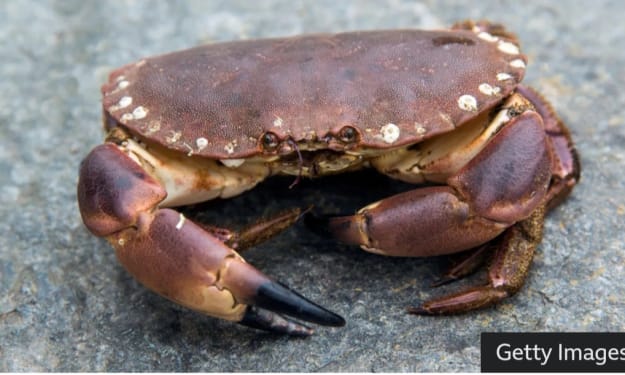
An extraordinary scene unfolded when a lorry carrying an estimated 15,000 live crabs crashed into a field, spilling its cargo across farmland and prompting a large-scale recovery effort. The unusual accident quickly drew attention from local residents, emergency services, and animal welfare groups, as workers scrambled to rescue as many crabs as possible before they succumbed to exposure.
By Aarif Lashari3 days ago in Earth
Ludacris and Nelly draw backlash over bookings at MAGA-coded music festival
Ludacris and Nelly headlining a mostly right-wing event is good for them. It’s also great for the genre of hip hop. The two rap veterans have showcased their talents on other stages. Why can’t they perform for mostly MAGA folks and grab that bag?
By Skyler Saunders2 days ago in Beat



Comments
There are no comments for this story
Be the first to respond and start the conversation.