
The Great White Shark.
The Apex Predator of the Ocean.
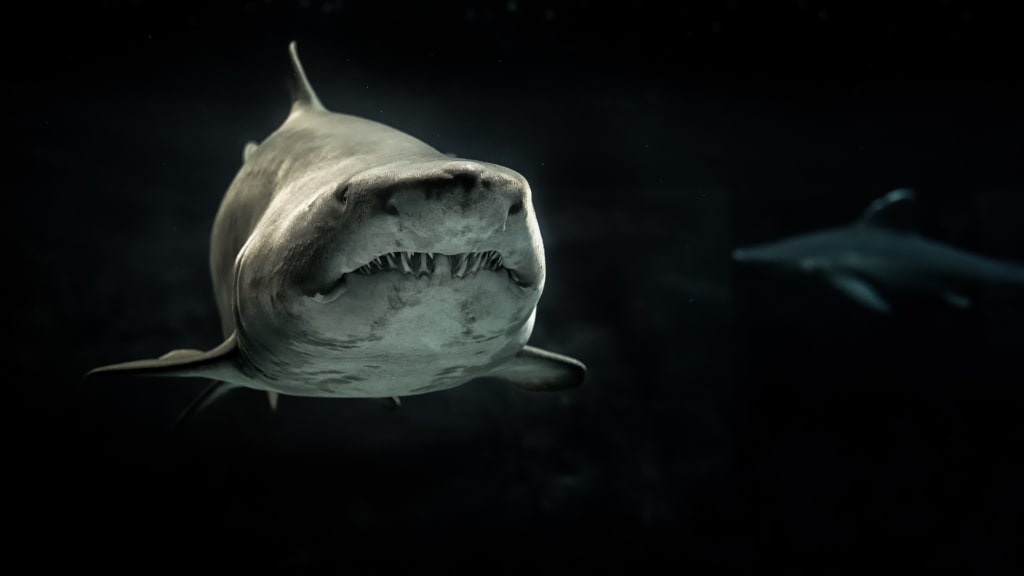
The Great White Shark is one of the most iconic and feared creatures of the ocean. With its razor-sharp teeth, powerful jaws, and impressive size, the Great White is rightly known as the apex predator of the ocean. This majestic animal has captured the imagination of humans for centuries, featuring in movies, books, and countless works of art. In this article, we will explore the Great White Shark, its behavior, habitat, and importance in the ocean ecosystem.
Appearance and Size
The Great White Shark (Carcharodon carcharias) is a large predatory fish that can grow up to 6 meters in length and weigh over 2,200 kilograms. They have a distinctive torpedo-shaped body, with a pointed snout and two dorsal fins. Their skin is grey or brownish-grey on the upper body, with a white underbelly, giving them their characteristic name. Great Whites have rows of serrated teeth that are constantly replaced throughout their life, allowing them to bite through thick skin and bone.
Habitat and Range
Great White Sharks are found in all the world's oceans, from the tropics to the polar regions. They prefer colder waters and are commonly found in the coastal regions of Australia, South Africa, California, and the northeastern United States. They are also found in the Mediterranean Sea and in the waters around New Zealand and Japan.
Behavior and Diet
Great White Sharks are known for their ferocity and predatory behavior. They are apex predators, meaning they are at the top of the food chain in the ocean. Great Whites have a varied diet that includes fish, seals, sea lions, dolphins, and even other sharks. They are opportunistic feeders and will eat whatever is available, often scavenging on dead animals.
Great Whites are ambush predators and use their speed and stealth to surprise their prey. They can swim at speeds of up to 56 kilometers per hour, and their acute sense of smell allows them to detect prey from long distances. Great Whites are also known for their breaching behavior, where they jump out of the water to catch prey, such as seals and sea lions, on the surface.
Conservation Status
Despite their fearsome reputation, Great White Sharks are under threat from human activities. They are often caught accidentally in fishing nets and are targeted by trophy hunters. The Great White Shark is listed as vulnerable on the IUCN Red List of Threatened Species, and their population has declined significantly in some areas. The protection and conservation of Great White Sharks are essential to ensure their survival and to maintain the health of the ocean ecosystem.
Importance in the Ecosystem
As apex predators, Great White Sharks play a crucial role in the ocean ecosystem. They regulate the populations of other marine species, helping to maintain a balance in the food chain. The presence of Great Whites can also have a positive impact on the health of the ocean ecosystem by keeping other species in check.
Great Whites are also important in ecotourism, where people can observe them in their natural habitat. The ecotourism industry provides a valuable source of income for local communities and can help raise awareness about the importance of protecting these animals and their habitat.
Conclusion
The Great White Shark is a fascinating and awe-inspiring creature that has captured the imagination of humans for centuries. As the apex predator of the ocean, they play a crucial role in the ocean ecosystem, regulating the populations of other marine species and maintaining a balance in the food chain. Despite their fearsome reputation, Great White Sharks are under threat from human activities, and their protection and conservation are essential to ensure their survival and the health of the ocean ecosystem. We must continue to raise awareness about these magnificent animals and take action to protect them and their habitat for generations to come
About the Creator
Keep reading
More stories from Mr Royal Honey and writers in Earth and other communities.
The Top 10 Most Dangerous Sharks.
Sharks are some of the most fascinating creatures on the planet, but they can also be some of the most dangerous. While shark attacks are rare, when they do occur, they can be deadly. Here are the top 10 most dangerous sharks and what you need to know about them.
By Mr Royal Honey 3 years ago in Earth
China Hacked Downing Street Phones for Years
Allegations of Long-Term Espionage Recent reports suggest that Chinese cyber operatives hacked into phones and communication networks at Downing Street, the seat of the UK government, over a period of several years. The revelations have triggered alarms in the British government and highlighted the growing threat of state-sponsored cyber espionage.
By Aarif Lashari2 days ago in Earth
🅼🅸🅳🅽🅸🅶🅷🆃 🆂🅽🅰🅲🅺🆂
"It's 10 in Tuscon! We all know what that means... It's Time for Midnight Snacks with your man, Gerald Gee! Ready to spend the night together? Me too! I'm full of snacks and can't wait to regurgitate them all back into your hungry ears. Crack a brew! Pop some corn! Anything to get ready for one hell of a show where the talk maybe cheap but the words cut deep...
By Lamar Wiggins6 days ago in Fiction



Comments
There are no comments for this story
Be the first to respond and start the conversation.