
The Global Impact of Cyclones: A Growing Threat
Understanding the Rising Frequency, Intensity, and Devastating Effects of Cyclones Worldwide

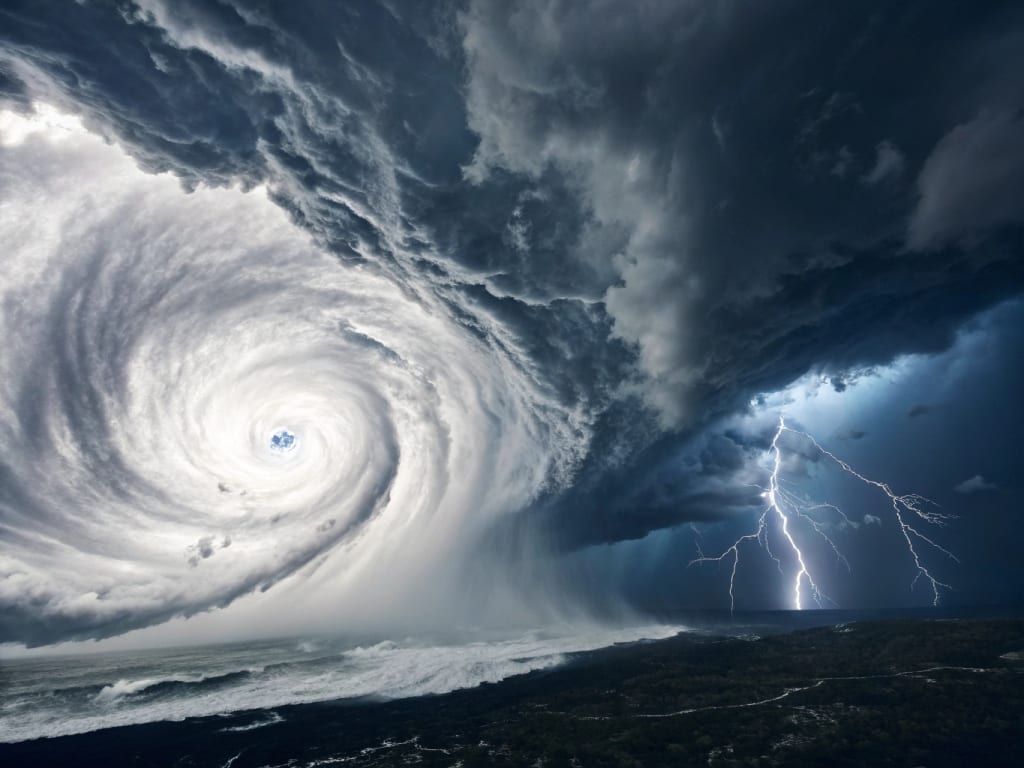
Cyclones, hurricanes, and typhoons represent formidable natural disasters that have historically posed significant risks to coastal areas globally. Recently, however, the rising frequency and intensity of these storms have sparked alarm among scientists, government officials, and residents in at-risk regions. The increasing severity of cyclones threatens not only human lives and infrastructure but also the environment and economic stability. Factors such as climate change, elevated sea levels, and rapid urban development contribute to the heightened intensity and occurrence of these storms. This article examines the escalating danger posed by cyclones, their effects on impacted areas, and the pressing need for enhanced preparedness and response measures.
Cyclones are large, organized systems of clouds and thunderstorms that exhibit a distinct circulation pattern. These storms generally develop over warm ocean waters, where heat and moisture are absorbed, and creating favorable conditions for their growth. As warm air ascends, cooler air moves in to replace it, further energizing the storm's development. Cyclones are categorized by their wind speeds, with Category 1 representing the least severe and Category 5 indicating the most catastrophic storms. Although these weather phenomena have always been part of the Earth's natural climate system, their behavior has become increasingly unpredictable and destructive in recent decades. The rise in cyclone intensity is largely attributed to climate change, which has resulted in warmer ocean temperatures, increased humidity, and rising sea levels. These alterations provide additional energy for cyclone formation, enabling storms to strengthen more rapidly and persist for longer durations.
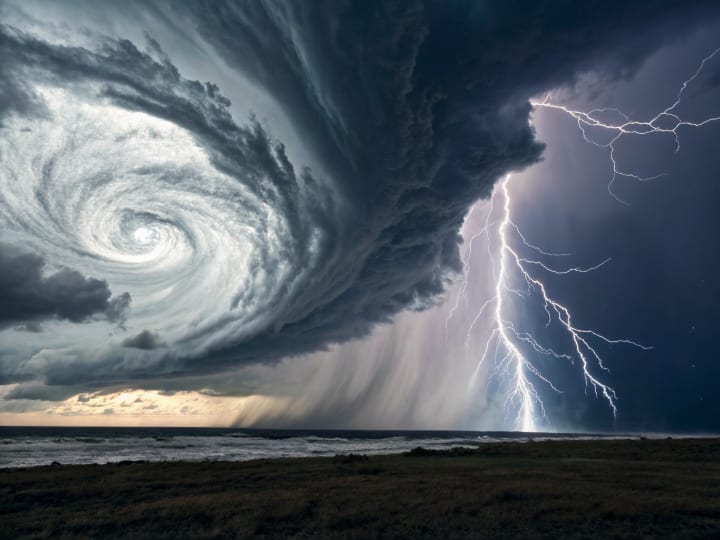
One of the primary factors contributing to the increasing intensity of cyclones is climate change. As global temperatures rise, the surface temperatures of oceans also increase, supplying cyclones with the energy required for their intensification. Warmer ocean waters enable cyclones to escalate in strength more rapidly, resulting in storms of greater severity. Notably, regions such as the Gulf of Mexico, the Caribbean, and the Pacific Ocean are witnessing a rise in both the frequency and intensity of hurricanes and typhoons, leading to widespread destruction. Events like Hurricane Katrina in 2005 and Typhoon Haiyan in 2013 serve as powerful reminders of the formidable nature of these storms. With the ongoing increase in global temperatures, we can anticipate even more severe storms in the future. Furthermore, the intensity of cyclones encompasses not only wind speed but also the significant rainfall and flooding they bring, which can often be more damaging than the winds themselves. Another element heightening the risk posed by cyclones is the rise in sea levels, a direct result of global warming. The melting of polar ice caps and the thermal expansion of seawater are causing ocean levels to rise, which intensifies the effects of cyclones. Storm surges, which occur when seawater rises due to the low pressure associated with a cyclone, become increasingly destructive in conjunction with elevated sea levels. This situation renders coastal regions more susceptible to flooding, potentially devastating entire communities. Beyond the destruction of property and infrastructure, rising sea levels also jeopardize freshwater resources, agriculture, and ecosystems, threatening the survival of numerous species, including humans.
The increasing threat of cyclones can be attributed to urbanization and population growth, particularly in coastal cities. Major urban centers like New York, Manila, Mumbai, and Tokyo are situated along coastlines, rendering them particularly susceptible to cyclonic activity. The high population density in these areas exacerbates the human impact of cyclones, as densely populated regions transform into disaster zones during storm surges and severe flooding. Additionally, the swift expansion of infrastructure in these cities often results in building regulations and flood defense systems that are inadequate to cope with the intensity of contemporary cyclones. Poorly constructed buildings, insufficient drainage systems, and limited access to early warning mechanisms can lead to extensive destruction when a cyclone occurs. The catastrophic effects of Typhoon Yolanda in the Philippines in 2013 serve as a stark reminder of the vulnerability faced by coastal communities lacking the necessary infrastructure and resources to endure such storms.
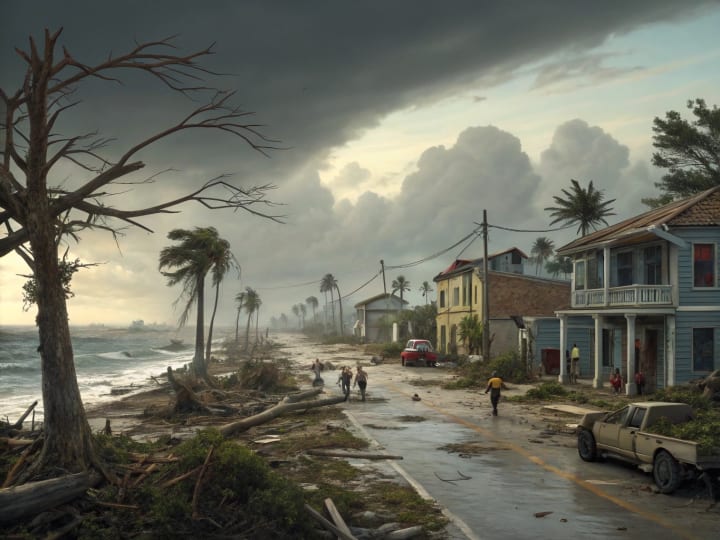
Furthermore, deforestation and alterations in land use significantly contribute to the intensification of cyclones. Coastal regions that previously featured natural barriers like mangroves, wetlands, and forests have been cleared for urban expansion and agricultural purposes. These natural defenses serve as buffers against storm surges and high winds, dissipating some of the cyclone's energy. In the absence of these protective ecosystems, communities are left unprotected against the full impact of storms. For instance, mangroves are particularly effective in mitigating the height and force of storm surges; however, their destruction has rendered many coastal regions vulnerable to even minor cyclones.
The worldwide consequences of cyclones are catastrophic, impacting not only human populations but also natural ecosystems and economic structures. The immediate repercussions of a cyclone encompass loss of life, devastation of homes, and harm to critical infrastructure, including roads, bridges, and power lines. The economic ramifications are substantial, with nations frequently incurring damages amounting to billions of dollars due to the storm. Agriculture is especially susceptible, as cyclones can obliterate crops and disrupt food production, resulting in shortages and escalating prices. Moreover, the tourism sector may experience prolonged challenges, as countries reliant on tourism revenue encounter diminished visitor numbers due to storm-related destruction and heightened safety concerns. A notable instance is Hurricane Maria in 2017, which wreaked havoc on Puerto Rico, leading to extensive damage and a prolonged halt in the island's tourism activities. The enduring effects of such storms can persist for years, as nations and communities endeavor to rebuild and recover.
In addition, cyclones exert a profound influence on ecosystems, often causing irreversible harm to coral reefs, forests, and wetlands. Coral reefs, which serve as natural barriers against storm surges, are particularly susceptible to the intense winds and turbulent seas that accompany cyclones. The degradation of coral reefs not only jeopardizes marine biodiversity but also threatens the livelihoods of individuals who rely on fishing for their sustenance. Coastal wetlands and mangroves, which offer vital ecosystem services such as water filtration and wildlife habitat, are similarly endangered. The damage inflicted on these ecosystems can take years to mend, and in certain instances, the harm may be irreversible.
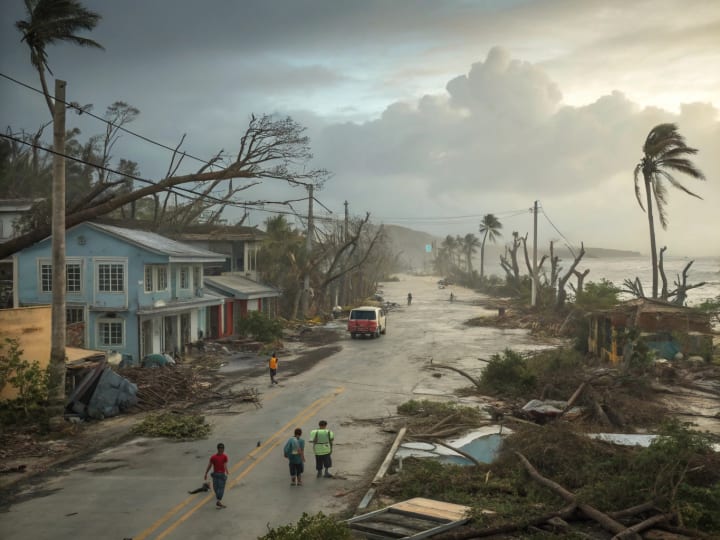
To combat the escalating threat posed by cyclones, it is imperative to adopt strategies centered on prevention, preparedness, and resilience. Governments should allocate resources towards the development of disaster-resistant infrastructure, such as storm shelters, flood barriers, and early warning systems that can significantly save lives. Furthermore, it is vital to reinforce building codes to ensure that new constructions are designed to endure the effects of cyclones. Public education on the dangers associated with cyclones and the necessary preparatory measures is also essential. In the long run, initiatives aimed at mitigating climate change through the reduction of greenhouse gas emissions and the preservation of natural ecosystems, including mangroves and coral reefs, can help lessen the severity of cyclones.
In summary, cyclones are increasingly recognized as a significant global threat, exacerbated by factors such as climate change, rising sea levels, urban expansion, and deforestation. The repercussions of these storms are felt across the globe, impacting human lives, economies, and ecosystems alike. As the frequency and intensity of cyclones rise, it is vital for governments, organizations, and communities to collaborate in enhancing preparedness, upgrading infrastructure, and tackling the root causes of climate change. Only through collective global efforts and strategic long-term planning can we aspire to mitigate the catastrophic effects of these natural disasters and foster a more resilient future for everyone.
About the Creator
G.M. Rayhan
I'm G.M. Rayhan, a Journalist and content writer covering trending news from around the world. I deliver timely, engaging, and reliable stories that inform and inspire readers to stay connected with global events and viral topics.
Keep reading
More stories from G.M. Rayhan and writers in Earth and other communities.
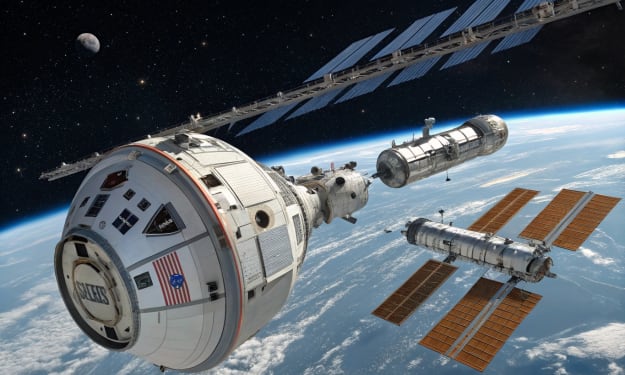
Astronauts Lost Control of Boeing Starliner During Its Docking Attempt with the International Space Station.
Boeing Starliner's Troubling Mission: Thruster Failures, Crisis Management, and the Path to Recovery In June 2024, during the much-anticipated Boeing Crew Test Flight, NASA and Boeing faced a far more critical situation than initially expected. Despite attempts by NASA to downplay the gravity of the situation, the astronauts aboard and the mission control team at NASA's Houston center were dealing with an escalating crisis as the Boeing Starliner suffered multiple thruster failures during its rendezvous with the International Space Station (ISS). The spacecraft, which had already been tested on unscrewed missions, proved unstable when it faced its most critical challenge: docking with the ISS.
By G.M. Rayhan10 months ago in Earth
65% of Workers Are Interested in ‘Microshifting’ Their Schedules as an Alternative to the Strict 9-to-5
The traditional 9-to-5 workday has long been considered the standard, but recent research suggests that employees are seeking more flexibility than ever before. A striking 65% of workers report interest in ‘microshifting’ their schedules, a concept that allows them to adjust their work hours in smaller increments rather than sticking to a rigid daily routine. For many, this is more than just a scheduling preference — it’s a way to reclaim control over their time, reduce stress, and boost productivity.
By Muhammad Hassanabout 10 hours ago in Earth
How Much Do You Need in an ISA for a Passive Income That Beats the State Pension?
For many people in the UK, the State Pension is expected to form the backbone of retirement income. But with rising living costs and growing uncertainty about the future, more savers are asking a crucial question: Can I build a passive income that beats the State Pension — and how much would I need in an ISA to do it?
By Aarif Lasharia day ago in Earth



Comments
There are no comments for this story
Be the first to respond and start the conversation.