
The Future of Self-Driving Cars: Advancements and Obstacles
Self Driving Cars
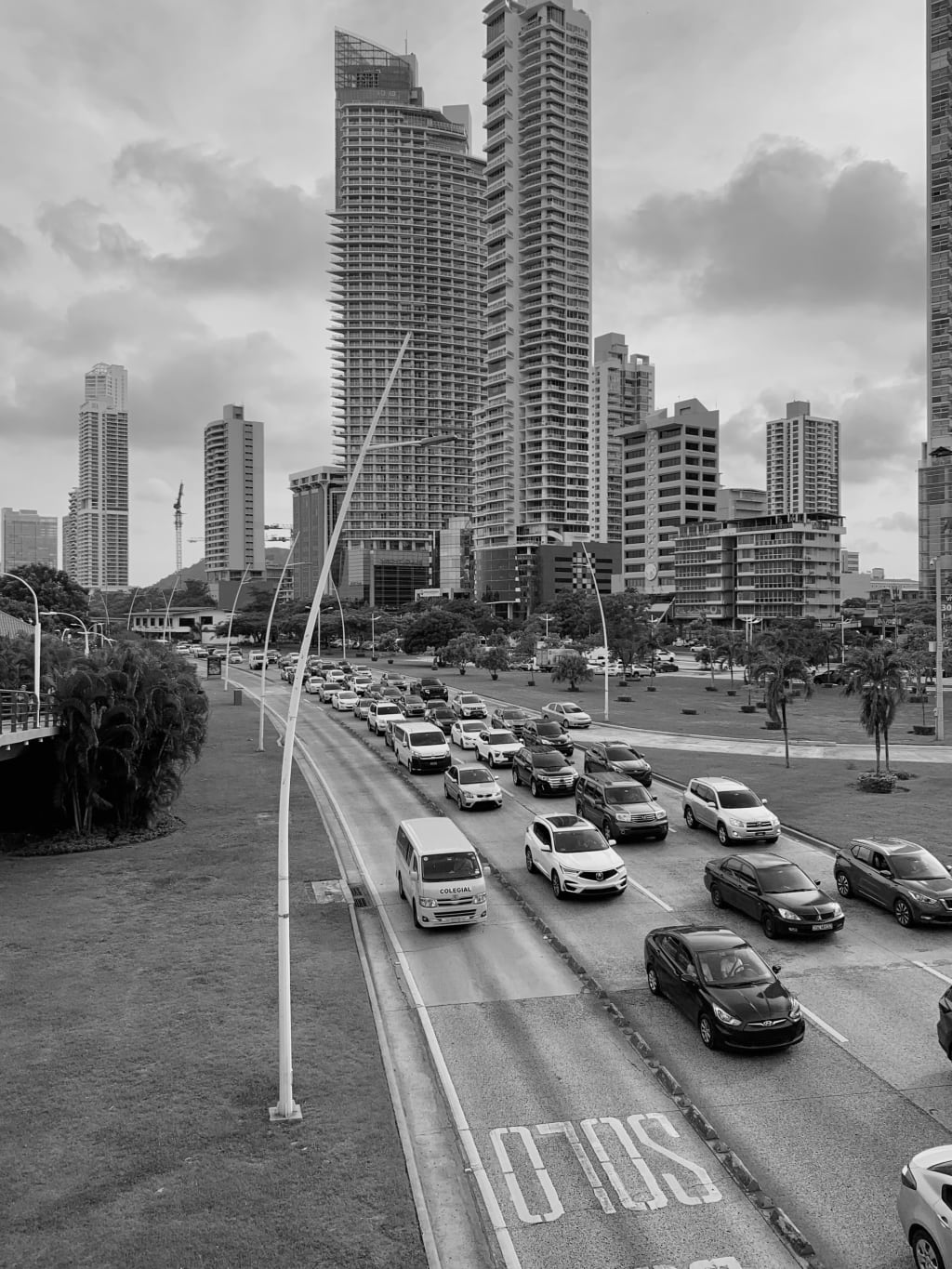
In the not-so-distant future, the world of transportation is undergoing a radical transformation—one that promises to reshape the way we travel. Welcome to the realm of self-driving cars, where vehicles navigate without human intervention, guided by advanced technologies. As an expert in the automobile industry, I am thrilled to guide you through the advancements and obstacles that lie ahead on this exciting journey.
Chapter 1: The Rise of Self-Driving Cars
Picture a world where you hop into a car, input your destination, sit back, and relax as the vehicle takes you there. Self-driving cars, also known as autonomous or driverless cars, are no longer a distant dream; they are becoming a reality. Cutting-edge technologies like sensors, cameras, radars, and artificial intelligence empower these vehicles to "see" the road, interpret traffic, and make informed decisions.
Chapter 2: Advancements in Autonomous Technology
The rapid progress in autonomous technology is fueled by relentless innovation. Self-driving cars rely on a plethora of sensors to detect obstacles, pedestrians, and other vehicles. These sensors work in harmony with high-definition mapping and GPS to ensure precise navigation. Artificial intelligence algorithms process this data in real-time, enabling the car to interpret its surroundings and respond accordingly.
Chapter 3: Safer Roads, Fewer Accidents
One of the most promising aspects of self-driving cars is their potential to make our roads safer. Human errors, such as distracted driving and fatigue, are a leading cause of accidents. With autonomous vehicles, the risk of accidents due to human error diminishes significantly. Advanced safety features and lightning-fast reaction times make self-driving cars adept at avoiding potential collisions.
Chapter 4: Redefining Mobility for All
Self-driving cars have the power to transform mobility for all segments of society. For the elderly or people with disabilities, autonomous vehicles offer newfound independence and accessibility. Those unable to drive can now travel to work, run errands, or visit friends and family with ease. Autonomous ride-sharing services may reduce traffic congestion and make transportation more efficient for everyone.
Chapter 5: Environmental Benefits
As concerns about climate change mount, self-driving cars hold the potential to contribute to a greener future. Autonomous vehicles can be programmed for efficient driving, optimizing routes and reducing fuel consumption. Moreover, the rise of electric and autonomous cars go hand in hand, as these eco-friendly vehicles align with the sustainable vision of the future.
Chapter 6: Overcoming Obstacles
Though the promise of self-driving cars is enticing, there are hurdles to overcome. The road to mass adoption faces technical, regulatory, and societal challenges. Engineers must tackle complex scenarios, like inclement weather or construction zones, where human intuition plays a vital role. Additionally, developing reliable cybersecurity measures is paramount to safeguard against potential hacking.
Chapter 7: Ethical Dilemmas
As autonomous vehicles become more prevalent, they raise ethical questions that demand careful consideration. How should self-driving cars make life-and-death decisions in the event of unavoidable accidents? Resolving these ethical dilemmas requires collaboration between experts, regulators, and the public to create guidelines that prioritize safety and societal values.
Chapter 8: Navigating Legal and Regulatory Landscapes
Regulatory frameworks and laws must keep pace with the rapid evolution of self-driving technology. Governments around the world are grappling with the need to establish guidelines that balance innovation with public safety. Policymakers must strike a delicate balance to foster innovation while ensuring robust safety standards.
Epilogue: A Journey of Promise
As our journey through the world of self-driving cars nears its end, we find ourselves at the cusp of a new era in transportation. The future of autonomous vehicles is a promising one, where mobility is safer, more efficient, and accessible to all. However, the road ahead is not without its challenges. Overcoming technological hurdles, addressing ethical dilemmas, and navigating legal landscapes require collective effort and collaboration from all stakeholders.
In the end, the future of self-driving cars depends not only on technological advancements but also on how we, as a society, adapt to this transformative technology. Embracing the promise of self-driving cars entails an open mind, a commitment to safety, and an unwavering dedication to shaping a better tomorrow on the roadways of the world. Together, we can steer the course towards a future where self-driving cars revolutionize transportation, redefine mobility, and pave the way for a safer and more connected world.
About the Creator
Harmful Effects of the Environment
The environment is the natural world around us. It includes air, water, land, plants, animals, and all living and non-living things that support life on Earth. A healthy environment is very important for the survival and well-being of humans, animals, and plants. However, in recent years, the environment has been facing serious harm due to human activities. Pollution, deforestation, and climate change are some of the major environmental problems that are affecting the world today. These harmful effects are not only damaging nature but also creating serious challenges for human life.
By aadam khana day ago in Earth
Top tipple tricks
Been thinking a lot about drinking, lately. Not least because of a recent episode of over-indulgence and the inevitable after effects. Some readers may recall the earlier articles I wrote about beating the booze. Here I set out an experiment in techniques for cutting down on my alcohol intake. The experiment was successful, the techniques worked, and I have armed myself with an arsenal of weapons in the war against the demon drink. I have yet to fire the first round however. It's all a question of timing (perhaps procrastination).
By Raymond G. Taylor7 days ago in Psyche




Comments
There are no comments for this story
Be the first to respond and start the conversation.