
The Future of Renewable Energy: Innovations Driving a Sustainable Future
How Technological Advancements and Policy Changes Are Shaping the Transition to Clean Energy

### The Future of Renewable Energy: Innovations Driving a Sustainable Future
**Subtitle: How Technological Advancements and Policy Changes Are Shaping the Transition to Clean Energy**
---
As the world grapples with the effects of climate change and the depletion of fossil fuels, the transition to renewable energy sources has become more critical than ever. The future of renewable energy is being shaped by technological innovations, policy developments, and growing public awareness. This article explores the latest advancements in renewable energy, the challenges facing the sector, and the pathways to a sustainable energy future.
#### 1. **Technological Advancements in Renewable Energy**
Renewable energy technologies have evolved significantly in recent years, improving efficiency, reducing costs, and expanding their applicability.
**Solar Power:** Solar energy has seen remarkable advancements with the development of more efficient photovoltaic (PV) cells and innovative designs such as bifacial panels that capture sunlight on both sides. Emerging technologies like perovskite solar cells promise even higher efficiency and lower production costs. Additionally, solar energy storage solutions, such as advanced batteries and thermal storage systems, are enhancing the reliability and dispatchability of solar power.
**Wind Power:** Wind energy is benefiting from advancements in turbine design and materials. Modern wind turbines are larger and more efficient, capable of generating power at lower wind speeds. Offshore wind farms are becoming more prominent, harnessing stronger and more consistent winds at sea. Floating wind turbines, which can operate in deeper waters, are expanding the potential for offshore wind energy.
**Hydropower:** Hydropower remains a significant source of renewable energy, with innovations focusing on small-scale and micro-hydro systems. These systems provide renewable energy with less environmental impact compared to large dams. In addition, research into hydropower's potential for energy storage, such as pumped-storage hydropower, is enhancing its role in balancing grid supply and demand.
**Geothermal Energy:** Geothermal energy is gaining traction as a reliable and consistent source of power. Advances in drilling technology and enhanced geothermal systems (EGS) are expanding the potential for geothermal energy beyond traditional hotspots. This includes the development of geothermal heat pumps for residential and commercial heating and cooling.
**Bioenergy:** Bioenergy technologies are advancing in areas such as biomass, biogas, and algae-based fuels. Innovations include more efficient methods for converting organic materials into energy and developing biofuels with a lower carbon footprint. The integration of bioenergy with carbon capture and storage (CCS) is also being explored to reduce greenhouse gas emissions.
#### 2. **Policy and Regulatory Developments**
Government policies and regulations play a crucial role in promoting the adoption of renewable energy and supporting the transition away from fossil fuels.
**Renewable Energy Standards:** Many countries have implemented renewable energy standards or mandates, requiring a certain percentage of energy to come from renewable sources. These standards drive investment in renewable energy projects and encourage the development of new technologies.
**Incentives and Subsidies:** Financial incentives such as tax credits, grants, and subsidies are vital for supporting the growth of renewable energy. Programs like the Investment Tax Credit (ITC) and the Production Tax Credit (PTC) in the United States have been instrumental in advancing solar and wind energy projects.
**Carbon Pricing:** Carbon pricing mechanisms, including carbon taxes and cap-and-trade systems, aim to internalize the environmental costs of greenhouse gas emissions. By putting a price on carbon, these mechanisms create economic incentives for reducing emissions and investing in cleaner energy alternatives.
**International Agreements:** Global agreements such as the Paris Agreement set targets for reducing greenhouse gas emissions and transitioning to renewable energy. These agreements foster international cooperation and provide a framework for countries to commit to and achieve their climate goals.
#### 3. **Challenges and Barriers**
Despite the progress in renewable energy, several challenges and barriers must be addressed to ensure a successful transition.
**Intermittency and Reliability:** Many renewable energy sources, such as solar and wind, are intermittent and depend on weather conditions. Developing reliable energy storage solutions and grid management systems is essential for maintaining a stable energy supply and integrating renewable sources into the grid.
**Infrastructure and Investment:** Transitioning to renewable energy requires significant investment in infrastructure, including power generation facilities, transmission networks, and energy storage systems. Securing funding and resources for these projects can be a challenge, particularly in developing regions.
**Regulatory and Market Structures:** Outdated regulatory and market structures may hinder the growth of renewable energy. Reforming energy markets, simplifying permitting processes, and removing barriers to entry for renewable energy projects are necessary for fostering innovation and competition.
**Environmental and Social Impacts:** While renewable energy is generally considered environmentally friendly, some projects can have local environmental and social impacts. For example, large-scale solar farms or wind turbines may affect wildlife habitats or land use. Balancing energy development with environmental and community considerations is important for achieving sustainable outcomes.
#### 4. **Pathways to a Sustainable Energy Future**
Several strategies can help advance the transition to a sustainable energy future and address the challenges facing the renewable energy sector.
**Innovation and Research:** Continued investment in research and development is crucial for driving technological innovation and improving the efficiency of renewable energy systems. Collaboration between governments, academia, and the private sector can accelerate the development of new technologies and solutions.
**Energy Efficiency:** Improving energy efficiency across various sectors, including transportation, buildings, and industry, can reduce overall energy demand and complement the growth of renewable energy sources. Implementing energy-efficient practices and technologies can contribute to a more sustainable energy system.
**Community Engagement:** Engaging communities in the planning and implementation of renewable energy projects can help address local concerns and build support for clean energy initiatives. Community-based projects and participatory approaches can enhance the social acceptability of renewable energy developments.
**Global Cooperation:** Addressing climate change and transitioning to renewable energy require global cooperation and solidarity. International partnerships, technology transfer, and support for developing countries are essential for achieving shared climate goals and ensuring equitable access to clean energy.
#### Conclusion
The future of renewable energy is bright, with technological innovations, supportive policies, and growing public awareness driving the transition to a sustainable energy system. While challenges remain, the continued advancement of renewable energy technologies and the implementation of effective strategies will be key to achieving a cleaner, more resilient energy future. Embracing renewable energy not only addresses climate change but also creates opportunities for economic growth, environmental stewardship, and a healthier planet for future generations.
About the Creator
Yusuf Ismail
You should read my articles because I strive to provide insightful, well-researched perspectives on important and timely topics that impact our lives and future. I aim to offer practical advice, foster understanding, and encourage action :)
Keep reading
More stories from Yusuf Ismail and writers in Earth and other communities.
Genomic Medicine: The Cutting Edge of Healthcare
Genomic medicine represents a groundbreaking shift in healthcare, leveraging the power of genetics to transform how we understand, diagnose, and treat diseases. As our knowledge of the human genome expands, genomic medicine is offering new insights into the complexities of health and disease, paving the way for more personalized and effective medical interventions. This article delves into the advancements in genomic medicine and their implications for the future of healthcare.
By Yusuf Ismailabout a year ago in Earth
“Make America Go Away”: Spoof MAGA Caps Soar in Popularity Amid the Greenland Crisis
Political slogans have always been powerful, but in today’s hyper-connected world, they often take on a life of their own. In recent weeks, a new phrase has been popping up across social media, protests, and online marketplaces: “Make America Go Away.” Printed boldly on red caps that closely resemble the iconic MAGA hats, the slogan is a pointed parody—and it’s rapidly gaining popularity amid renewed tensions surrounding Greenland and U.S. foreign policy rhetoric.
By Aarif Lashari2 days ago in Earth
Australia Urea Market Size and Forecast 2025–2033
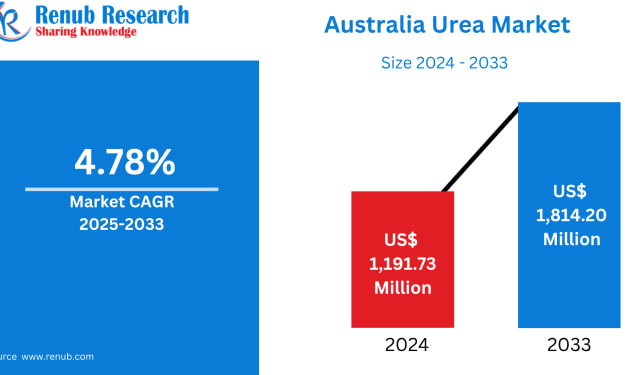
Australia Urea Market Overview The Australian Urea Market is anticipated to reach US$ 1,814.20 million in 2033, up from US$ 1,191.73 million in 2024, growing at a CAGR of 4.78% during 2025–2033, according to Renub Research. This growth is being driven by increasing demand from the agricultural sector for high-nitrogen fertilizers, expanding grain and crop cultivation, and rising government incentives for sustainable farming practices. Import substitution policies and growing interest in domestic production capabilities are also shaping market dynamics.
By Marthan Sir6 days ago in Earth
Smart phones, Humans and Aliens.
WARNING. I will be tapping into one of your favorite creative tensions: The absurdity of humans worshipping their glowing rectangles as if they were tiny oracles. There’s something deliciously poetic about that contradiction, and it lends itself beautifully to an instructive proviso.
By Novel Allen5 days ago in Poets



Comments
There are no comments for this story
Be the first to respond and start the conversation.