
Genomic Medicine: The Cutting Edge of Healthcare
Exploring How Advances in Genetics Are Revolutionizing Diagnosis and Treatment

Genomic medicine represents a groundbreaking shift in healthcare, leveraging the power of genetics to transform how we understand, diagnose, and treat diseases. As our knowledge of the human genome expands, genomic medicine is offering new insights into the complexities of health and disease, paving the way for more personalized and effective medical interventions. This article delves into the advancements in genomic medicine and their implications for the future of healthcare.
1. Understanding Genomic Medicine
Genomic medicine involves using genetic information to inform medical decision-making. Unlike traditional approaches that often rely on general population data, genomic medicine focuses on the unique genetic makeup of individuals, enabling more tailored and precise interventions.
Human Genome Project: The Human Genome Project, completed in 2003, was a landmark achievement in genomic medicine. It mapped the entire human genome, identifying the genes and genetic variations that contribute to health and disease. This comprehensive genetic blueprint laid the foundation for advances in genomics and personalized medicine.
Genomic Sequencing: Modern genomic medicine relies on advanced sequencing technologies to analyze an individual's genetic code. Whole genome sequencing (WGS) and targeted sequencing are used to identify genetic variations that may influence disease risk, drug response, and treatment outcomes.
2. Advancements in Genomic Diagnostics
Genomic diagnostics are revolutionizing how diseases are diagnosed, particularly in the field of rare and complex conditions.
Genetic Testing for Rare Diseases: Many rare diseases have a genetic basis, and traditional diagnostic methods may fall short. Genomic sequencing allows for the identification of specific genetic mutations responsible for these conditions, leading to more accurate diagnoses. For example, genetic testing can now identify mutations associated with conditions like cystic fibrosis, Duchenne muscular dystrophy, and various forms of cancer.
Prenatal and Newborn Screening: Genomic medicine has also transformed prenatal and newborn screening. Non-invasive prenatal testing (NIPT) can detect genetic abnormalities such as Down syndrome early in pregnancy. Newborn screening programs now include tests for a range of genetic disorders, enabling early intervention and treatment.
Cancer Genomics: In oncology, genomic medicine is enabling the identification of specific genetic mutations driving cancer development. Personalized cancer therapies, such as targeted treatments and immunotherapies, are being developed based on the genetic profile of tumors. For example, targeted therapies can inhibit the activity of specific oncogenes or address genetic mutations driving cancer growth.
3. Personalized Treatment and Precision Medicine
One of the most significant impacts of genomic medicine is the move toward personalized treatment strategies. By understanding an individual's genetic profile, healthcare providers can tailor treatments to maximize effectiveness and minimize adverse effects.
Pharmacogenomics: Pharmacogenomics studies how genetic variations affect an individual's response to medications. This field is leading to the development of personalized drug regimens based on genetic factors, improving drug efficacy and reducing the risk of side effects. For example, genetic testing can guide the selection of anticoagulants or cancer therapies, ensuring that patients receive medications best suited to their genetic profile.
Gene Therapy: Gene therapy aims to correct or replace faulty genes responsible for diseases. Advances in genomic medicine have led to promising developments in gene editing technologies such as CRISPR-Cas9, which allows for precise modifications of the genome. Gene therapy has shown potential in treating conditions like inherited blindness, muscular dystrophy, and certain types of cancer.
Predictive and Preventive Medicine: Genomic medicine enables predictive and preventive approaches to healthcare. Genetic testing can identify individuals at higher risk for developing certain conditions, allowing for early interventions and lifestyle modifications to prevent disease onset. For instance, individuals with BRCA1 or BRCA2 gene mutations can take preventive measures to reduce their risk of breast and ovarian cancers.
4. Ethical and Social Implications
The rise of genomic medicine brings with it ethical and social considerations that need to be addressed.
Genetic Privacy and Discrimination: The collection and analysis of genetic information raise concerns about privacy and potential misuse. Ensuring that genetic data is protected and used responsibly is crucial to prevent genetic discrimination in areas such as employment and insurance.
Informed Consent: As genomic testing becomes more widespread, obtaining informed consent is essential. Patients must be fully informed about the implications of genetic testing, including potential psychological impacts and the limitations of available treatments.
Equity and Access: Ensuring equitable access to genomic medicine is another important consideration. Disparities in access to genetic testing and personalized treatments can exacerbate existing health inequalities. Efforts are needed to make genomic medicine accessible to diverse populations and underserved communities.
5. The Future of Genomic Medicine
The future of genomic medicine holds immense promise as technology and research continue to advance.
Advances in Sequencing Technologies: Future developments in genomic sequencing technologies are expected to enhance speed, accuracy, and affordability. Innovations such as single-cell sequencing and portable sequencing devices may revolutionize how genomic information is obtained and utilized.
Integration with Artificial Intelligence: Artificial intelligence (AI) and machine learning are increasingly being integrated into genomic medicine. AI algorithms can analyze vast amounts of genetic data to identify patterns and predict disease risk, enabling more precise and efficient healthcare solutions.
Global Collaboration: Collaborative efforts and international partnerships will be essential in advancing genomic medicine. Global initiatives and data-sharing platforms can facilitate research, improve diagnostic tools, and promote the development of new treatments.
Conclusion
Genomic medicine represents a transformative advancement in healthcare, offering new opportunities for precise diagnosis, personalized treatment, and preventive care. As our understanding of the human genome deepens and technology continues to evolve, genomic medicine has the potential to revolutionize how we approach health and disease. By addressing ethical considerations and ensuring equitable access, we can harness the full potential of genomic medicine to improve patient outcomes and shape the future of healthcare.
About the Creator
Yusuf Ismail
You should read my articles because I strive to provide insightful, well-researched perspectives on important and timely topics that impact our lives and future. I aim to offer practical advice, foster understanding, and encourage action :)
Keep reading
More stories from Yusuf Ismail and writers in Earth and other communities.
The Climate Crisis: Urgent Actions for a Sustainable Future
### Introduction Climate change is no longer a distant threat; it is a pressing reality that affects every corner of our planet. Rising global temperatures, extreme weather events, and rapidly melting ice caps are just a few of the alarming signs that underscore the urgency of addressing this crisis. While the situation is dire, there is still time to take meaningful action to mitigate the worst effects of climate change. This article explores the steps that individuals, communities, and governments can take to combat climate change and work toward a more sustainable future.
By Yusuf Ismailabout a year ago in Earth
Homeowners Don’t Want to Move: The Big Deal About Shrinking Backyards
In neighborhoods across the country, a subtle but growing trend is taking root: homeowners aren’t moving, and it’s not just because of the housing market. Many are staying put because their backyards—once spaces for relaxation, gardening, and family fun—are shrinking, either physically due to new development or symbolically as life priorities shift. What may seem like a minor detail—an ordinary backyard—is, for many, a defining feature of home life. Losing it can change how people live, play, and even feel about their communities. This shift has consequences for families, urban planning, and even the way cities are designed. It also sheds light on why homeowners are willing to compromise on size, style, or even location rather than give up their outdoor space. Why Backyards Matter More Than Ever Backyards are more than just patches of grass. They are extensions of our living space, providing: Personal outdoor retreats for reading, gardening, or hosting friends. Safe spaces for children and pets to play. Social hubs for barbecues, birthdays, and neighborhood gatherings. Mental and physical health benefits, including fresh air, sunlight, and exercise. For families who have invested years into landscaping, planting trees, or building decks and patios, the backyard is an emotional asset. Moving to a new home often means losing these personal touches—and many homeowners aren’t willing to take that step. “Backyards are part of our identity,” says Laura Jennings, a landscape designer in suburban Chicago. “People have memories tied to them—first steps, garden harvests, family barbecues. That’s why so many homeowners are staying put, even if it’s tempting to relocate for a bigger house or a better neighborhood.” The Trend of Shrinking Yards Urban densification and suburban development have slowly eaten into traditional backyard space. In many cities, large lots are being replaced with townhomes, duplexes, or small-lot single-family homes. Even in suburban neighborhoods, new constructions often prioritize indoor square footage over outdoor space. The shrinking backyard trend has several effects: Less room for recreation: Families may struggle to fit a swing set, pool, or garden into a smaller yard. Increased desire to stay put: Homeowners prefer maintaining a familiar outdoor space rather than trading it for a slightly larger indoor area. Higher emotional attachment: As yards become more limited, the significance of every tree, patch of grass, or vegetable garden grows. For many, the choice isn’t just about square footage—it’s about quality of life. Homeowners Are Making Trade-Offs As a result, more homeowners are staying in place longer, even if it means: Skipping a bigger kitchen or extra bedroom. Living in a less “trendy” neighborhood. Paying more in maintenance or property taxes to keep a cherished yard intact. Some have embraced innovative backyard solutions to maximize smaller spaces: Vertical gardens and container planting. Multi-functional patios that serve as dining, lounging, and play areas. Creative landscaping, including raised beds, pergolas, and tiny ponds. These adaptations allow homeowners to maintain the sense of space and enjoyment they’ve built over years without relocating. Emotional and Social Dimensions Beyond practical reasons, the backyard has a symbolic meaning. It represents: Continuity and stability: Homeowners see staying put as preserving a lifestyle. Family history: Many yards hold stories—graduations, summer afternoons, first bike rides. Community connection: Long-term residents know neighbors, local schools, and nearby amenities. Moving often means giving up these ties. A survey by the National Association of Home Builders found that over 60% of homeowners aged 35–55 preferred staying in their current homes, citing yard size and outdoor enjoyment as key factors. For these individuals, giving up a backyard is not a small inconvenience—it’s a major life decision. The Impact on Neighborhoods and Cities The trend of staying put also affects broader urban and suburban planning. Fewer homeowners moving means: Less turnover in neighborhoods, which can reduce housing market fluidity. Pressure on developers to include quality outdoor space in new builds. Greater demand for parks and community green spaces, as private yards shrink. Urban planners and developers are noticing the importance of outdoor space in retention and satisfaction metrics. Homes with usable yards, green roofs, or communal gardens often have higher value and attract long-term residents. The Future of Backyard Living As city lots shrink and suburban sprawl continues, homeowners are adapting: Smaller, highly curated gardens instead of sprawling lawns. Multi-functional backyards designed for work, play, and entertainment. Investment in outdoor amenities such as fire pits, decks, or small pools. Some communities are exploring shared backyard concepts, like community gardens and pocket parks, to supplement shrinking private spaces. While these aren’t a complete replacement for personal yards, they provide social and environmental benefits and may encourage homeowners to stay in their homes longer. Conclusion: More Than Grass and Trees Shrinking backyards might seem like a minor design issue, but for homeowners, it’s deeply tied to lifestyle, family life, and personal identity. The reluctance to move is not just a reaction to the housing market; it reflects an emotional, social, and practical connection to outdoor space that indoor square footage alone can’t replace. As urban density grows and lot sizes shrink, the importance of backyards will continue to shape homeowner decisions, neighborhood design, and community dynamics. Families are showing that a yard is not just grass and trees—it’s a place of memory, freedom, and connection. In a world where real estate trends often prioritize indoor luxury, the backyard remains a powerful symbol of home, anchoring families to the places they love—and keeping many from moving at all
By Muhammad Hassan3 days ago in Earth
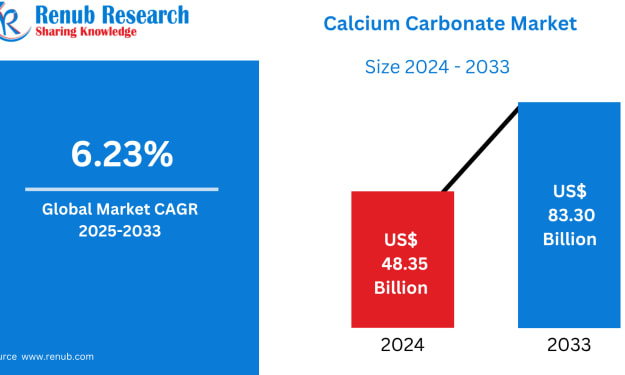
Global Calcium Carbonate Market Size & Forecast 2025–2033
Introduction: A Quiet Giant of Global Industry Calcium carbonate may not be a headline-grabbing material, but it is one of the most indispensable compounds in modern industrial life. Found naturally in limestone, marble, and chalk, this humble mineral underpins everything from the buildings we live in to the paper we write on and the plastics we use every day. Its low cost, wide availability, and remarkable versatility have made it a cornerstone raw material across multiple industries worldwide.
By jaiklin Fanandish3 days ago in Earth



Comments
There are no comments for this story
Be the first to respond and start the conversation.