


**The Feels of Forgiveness**
Forgiveness is one of the most profound and transformative experiences a person can have. It holds the power to heal, liberate, and restore relationships. Yet, despite its potential for peace, the act of forgiveness is often shrouded in complexity and emotion. The feelings associated with forgiving someone or being forgiven can run deep, creating a mix of relief, vulnerability, strength, and even sadness. Understanding these emotions can help us better navigate the process of forgiveness, whether we are the ones offering it or receiving it.
At the heart of forgiveness lies a deep sense of release. When we forgive, we are choosing to free ourselves from the grip of anger, resentment, or pain that another person's actions may have caused. Holding on to these negative emotions can be draining, taking a toll on our mental, emotional, and even physical well-being. Forgiveness, in contrast, allows us to let go of that burden. There is a lightness that accompanies it, like a weight lifted off the chest. This sense of relief is often immediate and profound, signaling the first step toward emotional healing.
However, forgiveness doesn't always come easily. The initial feelings of pain and hurt can make forgiveness seem impossible. There may be moments when you feel like the offense is too great to overlook or that forgiving would diminish the severity of the wrong. There’s often an inner conflict between wanting to protect yourself and the desire to find peace. The process of forgiveness, then, can feel like a journey, one that requires self-reflection, patience, and emotional growth. It takes time to come to terms with the fact that forgiveness is not about excusing the wrongdoer's behavior but about reclaiming your peace and moving forward.
For the person offering forgiveness, there is also a deep sense of vulnerability. In letting go of anger and grudges, they expose themselves to the possibility of being hurt again. The act of forgiving can feel like an emotional risk, as it involves opening the door to future interactions with the person who may have caused pain. There may be lingering fears or doubts about whether the other person will change or whether they deserve forgiveness in the first place. Yet, despite these concerns, forgiveness ultimately represents a courageous act of trust — trust in oneself to heal and trust that the relationship can evolve, whether or not it returns to its previous state.
On the other hand, being forgiven brings with it a rush of gratitude and humility. For those who have wronged someone, the act of receiving forgiveness can feel like a weight is being lifted off their shoulders as well. It is a humbling experience that calls attention to one’s own flaws and mistakes. Being forgiven doesn’t erase the wrongs done, but it offers the opportunity for redemption and a chance to rebuild trust. There is a profound sense of grace in receiving forgiveness, knowing that someone is willing to release their anger and pain in favor of understanding and compassion.
Yet, being forgiven also comes with the emotional responsibility of acknowledging the hurt caused and making amends. The feeling of guilt may surface, as the person who has been forgiven may feel undeserving or worried about repeating the same mistakes. This is part of the healing process for both parties involved: the one seeking forgiveness must demonstrate growth and remorse, while the one offering forgiveness must decide whether they are ready to move forward without holding the offense over the other person’s head. This dynamic creates a delicate balance of trust, communication, and empathy.
In some instances, forgiveness does not mean reconciliation. There are times when forgiving someone may involve setting boundaries or even distancing oneself from the person who has caused harm. The act of forgiving can be an internal, personal decision to release anger and move on, even if the relationship itself cannot be salvaged. This is a key element of forgiveness: it is ultimately for the person offering it. It’s a gift to oneself, a pathway to emotional freedom, and a necessary step toward finding inner peace.
Forgiveness can also inspire growth, both individually and relationally. When we forgive, we open ourselves up to greater empathy and understanding. We realize that everyone, including ourselves, is flawed, and that mistakes are part of the human experience. Through forgiveness, we become better equipped to navigate the complexities of relationships and the inevitable ups and downs that come with them. We may even find ourselves becoming more compassionate, as we recognize that extending forgiveness is not a sign of weakness but a testament to our strength.
In the end, the feels of forgiveness are deeply layered — from the release of anger to the vulnerability of opening our hearts again. Forgiveness is not a one-time event but an ongoing process of growth, healing, and reconnection. It’s an act that brings about profound emotional transformation, allowing us to let go of the past and embrace the future with more peace and understanding. Whether giving or receiving, the feelings of forgiveness can reshape the way we experience ourselves and our relationships, making it one of the most powerful and life-affirming acts we can undertake.
About the Creator
Badhan Sen
Myself Badhan, I am a professional writer.I like to share some stories with my friends.
Keep reading
More stories from Badhan Sen and writers in Earth and other communities.
A promise carved in the world
In a small village nestled between mountains and the vast wilderness, there was a legend that had been passed down for generations. It spoke of a promise carved into the very fabric of the world itself. The promise, however, was not made by gods or kings but by a humble woman who had been known throughout the land as Lira.
By Badhan Sen12 months ago in Earth
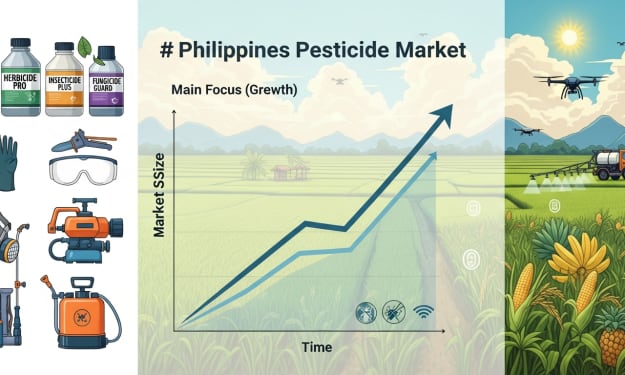
Philippines Pesticide Market 2026: Crop Protection Demand, Farm Productivity & Regulatory Shifts
Philippines Pesticide Market Overview The Philippines pesticide market continues to develop as agriculture remains a vital sector supporting food security, rural employment and economic activity. Pesticides play an important role in protecting crops from insects, weeds and diseases, helping farmers improve yields and reduce post-harvest losses. The market includes insecticides, herbicides, fungicides and other crop protection chemicals used across rice, corn, fruits, vegetables, sugarcane and plantation crops.
By Manisha Dixit4 days ago in Earth
Our Song
Evening has given way to night. Gently, I settle next to you on the comfortable, old love seat and reach for your hand. You snatch it away, again. It cuts me to the quick, but I hide the pain, understanding that the reaction is but part of your demented state. Since the accident, your presence here in our cozy home has been clouded by a haze I can't see. Nevertheless, I feel the frigidity of your expressions and it serves as an excruciating reminder of the immeasurable distance between us.
By Dana Crandell4 days ago in Fiction



Comments (3)
Forgiveness can be one of the most challenging choices one makes yet also one of the most freeing.
Feelings of forgiveness is very powerful and life affirming! Amazing
Exactly and you are really beginning to teach me a lot of tangible and intangible ideas in the article. Good job.