
The Fascinating World of Sea Turtles.
A Comprehensive Guide.
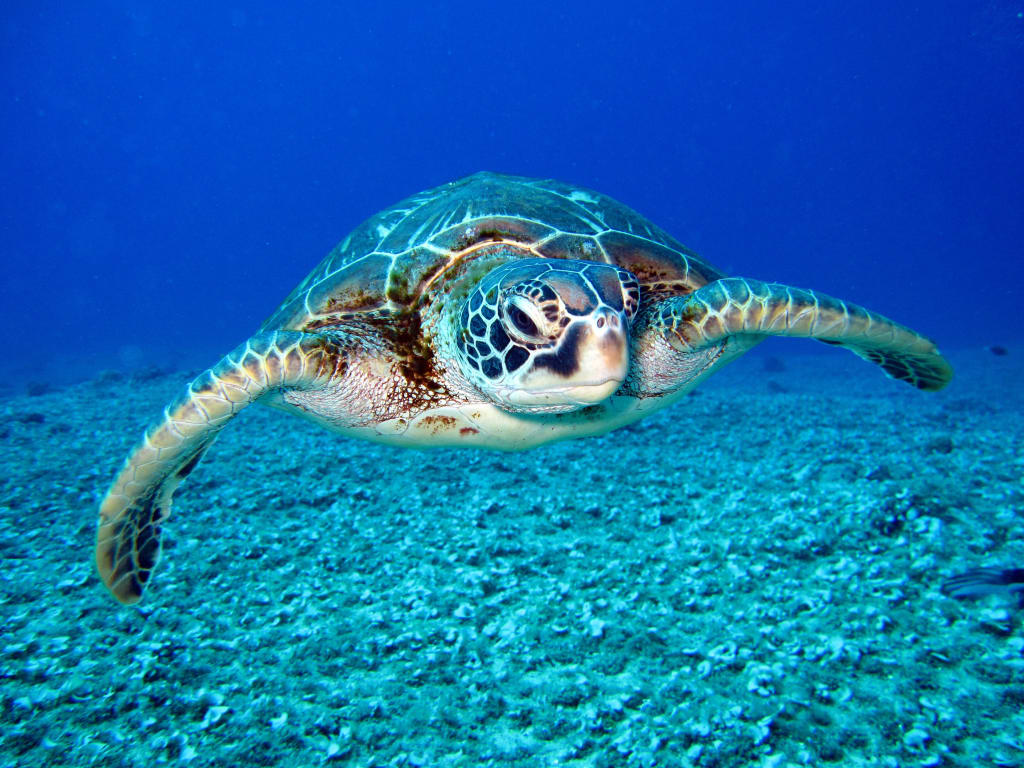
The Fascinating World of Sea Turtles: A Comprehensive Guide
Sea turtles are some of the most fascinating creatures on earth. They have been around for over 100 million years, outliving the dinosaurs and adapting to a changing world. These ancient creatures can be found in oceans all over the world and come in a variety of shapes and sizes. Here is a comprehensive guide to the fascinating world of sea turtles.
Sea turtles are some of the most captivating creatures found in our oceans. With their ancient lineage and unique adaptations, they have fascinated scientists and nature enthusiasts alike for centuries. In this comprehensive guide, we will explore the wonderful world of sea turtles, shedding light on their biology, behavior, conservation, and the challenges they face in the modern world.
1. Diversity and Distribution:
Sea turtles are classified under the order Testudines and are further divided into seven species: the loggerhead, green, hawksbill, leatherback, flatback, olive ridley, and Kemp's ridley turtles. Each species has its own distinct characteristics and can be found in different parts of the world, ranging from tropical to temperate waters.
2. Anatomy and Adaptations:
Sea turtles have unique adaptations that allow them to thrive in the marine environment. Their streamlined bodies, flippers, and shells are specifically designed for swimming. The shell, or carapace, acts as a protective armor, while the flippers help them maneuver gracefully through the water.
3. Life Cycle:
Sea turtles go through a remarkable life cycle that involves nesting, hatching, and a journey through the open ocean. Female sea turtles return to the beaches where they were born to lay their eggs in the sand. The eggs incubate for several weeks before the hatchlings emerge and make their way to the water. The survival rate of hatchlings is quite low, as they face numerous predators and environmental challenges.
4. Feeding Habits:
Sea turtles have varied diets depending on their species. Some are herbivorous, primarily feeding on seagrasses and algae, while others are omnivorous or carnivorous, feeding on jellyfish, mollusks, and crustaceans. Their feeding habits play a crucial role in maintaining the health of marine ecosystems.
5. Threats and Conservation:
Sea turtles face numerous threats, both natural and human-induced. Climate change, pollution, habitat destruction, entanglement in fishing gear, and poaching are some of the major challenges they encounter. To protect these magnificent creatures, conservation efforts have been implemented worldwide, including the establishment of protected areas, nesting beach monitoring, and initiatives to reduce bycatch.
6. Global Significance:
Sea turtles play a vital role in maintaining the health of marine ecosystems. As both predators and grazers, they help regulate the populations of their prey species and contribute to the overall balance of marine food webs. Additionally, sea turtles serve as important indicators of the health of oceanic habitats, making their conservation essential for the well-being of our planet.
7. Ecotourism and Education:
Sea turtles have become a focal point for ecotourism and educational initiatives. Many coastal regions offer opportunities for visitors to witness nesting events, participate in hatchling releases, and learn about the conservation efforts in place. These activities raise awareness about the importance of protecting sea turtles and their habitats.
New chat
User
The Fascinating World of Sea Turtles: A Comprehensive Guide. 700 Words Article
ChatGPT
Sea turtles are some of the most fascinating creatures on earth. They have been around for over 100 million years, outliving the dinosaurs and adapting to a changing world. These ancient creatures can be found in oceans all over the world and come in a variety of shapes and sizes. Here is a comprehensive guide to the fascinating world of sea turtles.
Types of Sea Turtles
There are seven different species of sea turtles, each with their unique characteristics and adaptations.
Green Turtle: These turtles get their name from the greenish color of their fat, which is caused by their herbivorous diet of seagrasses and algae.
Hawksbill Turtle: These turtles are known for their distinctive beak-like mouth, which they use to feed on sponges and other invertebrates.
Leatherback Turtle: The largest of all sea turtles, leatherback turtles can weigh up to 2,000 pounds. They are unique among sea turtles in that they do not have a hard shell but instead have a leathery skin covering their back.
Loggerhead Turtle: Loggerheads are the most common sea turtle species found in U.S. waters. They are named for their large head and powerful jaws, which they use to crush the shells of their prey.
Olive Ridley Turtle: These small turtles are found in warm waters around the world. They are known for their synchronized nesting behavior, where thousands of turtles will come ashore at once to lay their eggs.
Kemp’s Ridley Turtle: The rarest and smallest sea turtle species, Kemp’s Ridley turtles are found only in the Gulf of Mexico. They are critically endangered due to habitat loss and human interference.
Flatback Turtle: This species of sea turtle is found only in Australia and nearby waters. They are named for their flat shell and are relatively unknown compared to the other six species.
Habitat and Migration
Sea turtles are found in oceans all over the world, from the warm waters of the tropics to the colder waters of the Arctic and Antarctic. They spend most of their lives in the ocean, only coming ashore to lay their eggs. Sea turtles are migratory animals, and some species will travel thousands of miles each year to feed, mate, and nest.
Threats to Sea Turtles
Sea turtles face many threats, both natural and human-made. Some of the biggest threats include:
Habitat loss: As humans continue to develop coastlines, sea turtles lose their nesting beaches, feeding areas, and migratory routes.
Pollution: Plastic pollution, oil spills, and other forms of pollution can harm sea turtles and their habitats.
Climate change: Rising temperatures and changing ocean currents can affect sea turtle nesting beaches and alter the availability of their food sources.
Hunting: In some parts of the world, sea turtles are hunted for their meat, shells, and eggs.
Conservation Efforts
Fortunately, there are many conservation efforts underway to protect sea turtles. These efforts include:
Nesting beach protection: Many organizations work to protect sea turtle nesting beaches from development, pollution, and other human activities.
Habitat restoration: Restoration efforts can help to restore sea turtle habitats that have been damaged by human activities.
Fishing regulations: Fishing regulations can help to reduce accidental catches of sea turtles by commercial fishermen.
Education and outreach: By educating the public about the importance of sea turtles and their habitats, we can help to create a culture of conservation and encourage individuals to take action to protect these amazing animals.In
conclusion, sea turtles are captivating creatures that inhabit our oceans. Their unique adaptations, complex life cycle, and crucial ecological role make them a subject of fascination and concern. By understanding their biology, behavior, and the challenges they face, we can work towards their conservation and ensure the survival of these majestic creatures for generations to come.
About the Creator
Keep reading
More stories from Mr Royal Honey and writers in Earth and other communities.
Setting up an Angelfish Aquarium.
If you're thinking of setting up an angelfish aquarium, congratulations! These graceful and elegant fish are a popular choice for home aquariums, and with good reason. They are relatively easy to care for, have stunning colors and patterns, and can make a wonderful addition to any home. However, before you dive in and start setting up your tank, there are a few things you should know to ensure your fish stay healthy and your aquarium stays beautiful.
By Mr Royal Honey 3 years ago in Earth
“I’m a Motor Neurone Disease Specialist. I’ve Never Seen a Couch Potato Get MND”
Motor neurone disease (MND) is one of the most devastating neurological conditions, progressively affecting muscles and leading to loss of mobility, speech, and independence. Yet, according to specialists, certain lifestyle stereotypes—like the “couch potato”—are surprisingly not typical among MND patients.
By Aarif Lashari5 days ago in Earth
No Written Document Memorializes the Future Deal Framework for Greenland, Sources Say
In a development that has caught global attention, sources close to the matter confirm that no formal written document currently exists to memorialize any deal framework concerning Greenland between the United States, Denmark, and NATO partners. Although discussions between U.S. President Donald Trump and NATO Secretary-General Mark Rutte focused on Arctic security and strategic cooperation, officials acknowledge that what emerged from the talks is strictly a verbal understanding, not a signed treaty or legally binding text. This lack of documentation has generated confusion and speculation among allies and observers. Without a formal written record, questions remain about what was actually agreed upon, what commitments have been made, and how this impacts sovereignty, defense coordination, and international trust. For Greenland, Denmark, and NATO members, clarity is critical, given the island’s growing strategic significance in the Arctic. Diplomatic Discussions Without a Document The discussions at the center of this story involved President Trump and NATO Secretary-General Rutte and were reportedly aimed at updating the 1951 U.S.–Denmark agreement governing U.S. military presence in Greenland. This meeting followed earlier tensions, when Trump’s comments suggested a desire for increased access — and even partial control — over the territory. Officials say the talks resulted in a verbal understanding of the next steps for cooperation but did not produce a written or signed framework. According to insiders, the leaders agreed to explore updates to the 1951 agreement, particularly in response to modern Arctic security concerns and the need to coordinate NATO efforts in the region. The verbal agreement reportedly touched on several broad points, including potential measures to limit Russian and Chinese investment in Greenland and the reinforcement of NATO’s role in Arctic security. While these points outline the direction of discussions, the lack of formal documentation has left key details ambiguous. Allies are unsure how far agreements extend, whether all parties fully concur, and how such understandings might be interpreted internationally. Why No Document Was Produced Sources indicate that confidentiality and caution were major reasons for avoiding a written record. Secretary-General Rutte reportedly preferred not to create formal documentation at the meeting, fearing leaks or public exposure. Past experience, including incidents where private diplomatic messages were shared publicly by President Trump, likely heightened these concerns. This scenario highlights a recurring dynamic in diplomacy: preliminary negotiations often begin verbally, with written agreements drafted only after parties are confident in mutual understanding. However, this approach carries risks, especially in matters involving national sovereignty and strategic defense, where clear records are essential to avoid misunderstandings. Historical Context: The 1951 U.S.–Denmark Agreement The Greenland discussions are grounded in a decades-old framework. Since 1951, the United States and Denmark have maintained an agreement permitting U.S. military access to Greenland, primarily to support NATO operations and regional defense. The recent talks were framed as a potential update to this longstanding agreement rather than a replacement or attempt to transfer sovereignty. Denmark and Greenland have consistently emphasized that their sovereignty is non-negotiable, and any discussions on security or investment must involve Greenlandic authorities. This principle is central to the diplomatic balance and was reiterated throughout recent negotiations. Uncertainty About Commitments Despite the verbal understanding, the specifics of the agreement remain undefined. Sources confirm that discussions included: Modernizing the 1951 defense agreement to reflect contemporary Arctic security needs. Addressing the potential influence of Russia and China in Greenland. Strengthening NATO roles in Arctic defense coordination. Potential U.S. strategic access to Greenland’s natural resources, including minerals. Without a signed document, these points are subject to interpretation, leaving allies and observers uncertain about future obligations. Analysts note that while verbal understandings can guide diplomacy, formal documentation is critical for legal, political, and strategic clarity. Responses From Allies and Greenlandic Authorities The absence of formal documentation has raised concerns across NATO and European capitals. Written agreements are foundational to diplomacy, providing clarity, accountability, and mutual reassurance. Without them, coordination between allies becomes more challenging, and misunderstandings are more likely. Danish and Greenlandic authorities have been particularly vocal about the importance of sovereignty. Both have stated that any future deal must explicitly involve Greenland and cannot compromise its authority or democratic processes. Greenland’s leadership has emphasized that it will not be treated as a bargaining chip, and Denmark has reinforced that sovereignty remains non-negotiable. Strategic Importance of Greenland Greenland’s significance extends far beyond its size. The Arctic is becoming increasingly central to global strategy due to climate change, emerging shipping routes, and natural resources. Russia and China have increased their presence in the region, making cooperation between the U.S., Denmark, and NATO allies more crucial than ever. Without a written framework, the alliance faces challenges in presenting a unified stance on Arctic security. Formal agreements are not only legal instruments but also symbols of political commitment, demonstrating the seriousness of cooperation to allies and potential rivals alike. Next Steps in Negotiations Officials indicate that the next step is a working-group meeting involving the U.S., Denmark, and Greenland. At this session, negotiators aim to draft a formal document that will memorialize discussions and define the scope of cooperation on defense, investment, and strategic operations. As negotiations continue, allied governments will watch closely. Ensuring that Greenlandic sovereignty and local participation are respected will be paramount. For NATO, the priority will be clarity and coordination, ensuring that all member nations understand the commitments and strategic direction emerging from these talks. Conclusion The fact that no written document currently memorializes the Greenland framework highlights both the fluidity and complexity of high-level diplomacy. While President Trump and Secretary-General Rutte may have reached a verbal understanding, the absence of a formal record leaves uncertainties that will need to be resolved through future meetings and eventual documentation. For the world, Greenland remains a critical strategic territory. The upcoming working-group discussions and eventual formal agreement will define not only the future of Arctic security but also the nature of cooperation between the U.S., Denmark, Greenland, and NATO members. Diplomacy in the 21st century often begins verbally, but clarity, legality, and trust depend on what is ultimately written down.
By Muhammad Hassan6 days ago in Earth




Comments
There are no comments for this story
Be the first to respond and start the conversation.