
The Evolution of morality in different stages of Life
Morality is one of the most illusory things in the world. We use it every day, but we still know little about it, especially about the metaphysical part. Let's put aside these puzzles and think about how morality enters one's heart in daily life.
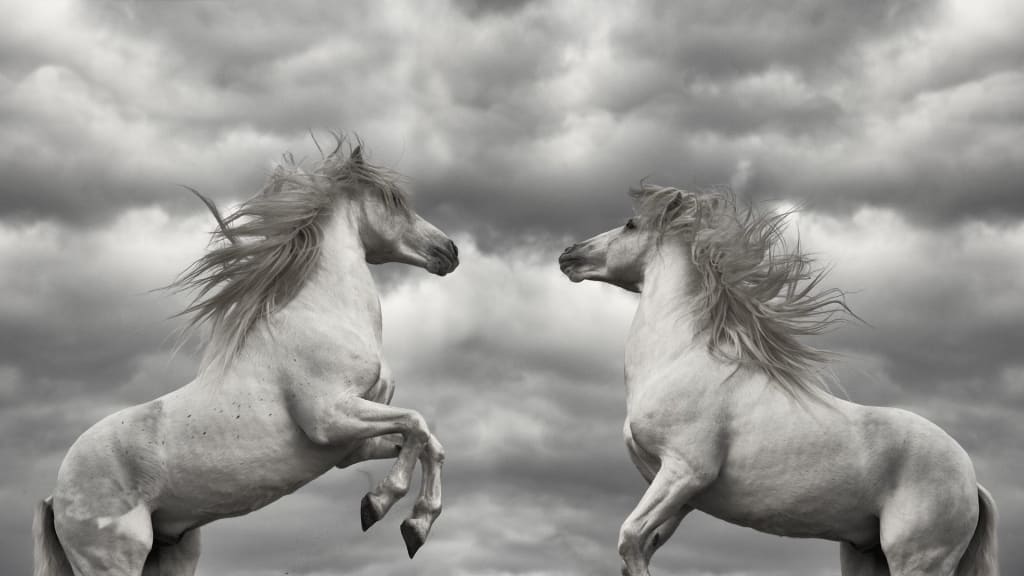
Every parent and elder is the most important part of moral communication, and they have inherited many moral norms in their minds: which behaviors are absolutely inviolable, which are to be seriously warned, and which are relatively minor. When their children are young, they tell them about the moral standards that have been formed in their hearts through daily little things. The moral values of the elders have a direct impact on the moral world of their children, and parents and elders draw noble or humble outlines in the hearts of their children. In a word, our moral concept is passed down from generation to generation, and morality is constantly changing and even evolving in the process of spreading. This is the starting point for children, but things are not so absolute.
Surprisingly, when children grow up and have their own ideas, they will also make independent judgments. Children also gain new knowledge from schools, books, teachers and classmates, and perhaps part of the cognition is not from school or books, but from the moral sense that children naturally grow up. We cannot absolutely judge whether such morality comes from books, parents or nature. It is these children who have developed a stubborn moral concept, they are very righteous, although some of their parents are immoral, can negative examples strengthen the seeds of justice in their children's hearts?
If such justice is not manipulated by high enthusiasm, or the pressure of future survival and material desires, they will become people who are more moral and harmless to society. In short, children will grow up to be adults and have their own ideas. The daily knowledge, books and examples of others will shape him, including the hardships, blows and contradictions that he has suffered are also changing his thinking and behavior. The impact of this part may not be less than the education from parents. Everything that is moral is possible.
After that, children who have grown up have a deeper understanding of the repression, bottlenecks and unfairness in reality. Some people choose depravity, some choose mediocrity, and some choose to live an active life and are divided into two groups: one no longer obeys moral norms, chooses survival of the fittest, even immoral, at the expense of others; one is morality-oriented, and still keeps sunshine in the face of cold reality.
When we were young, we were in a noble state of mind, which is not a prominent character, but an untested uncut stone. The bigger test is whether we can maintain our original mind in the face of the pressure of survival, vanity and desire for prosperity. After experiencing the entanglement of immediate interests, many people begin to become less magnanimous, less pure, and less indignant as before.
Morality becomes more difficult at this period, compared with childhood and learning, this is the real choice period, good and evil, moral or not only in a thought, again and again between the choice, a change of mind has affected people's moral realm, many people may be stuck in the same level after such a test no longer move forward, or even backward compared to childhood. In adulthood, with the exception of those who are willing to make progress, human morality has almost come to a standstill, and since then almost nothing new has happened, only similar human dramas are repeated.
Thinking about morality:
It is immoral to solidify people morally.
True goodwill is to put aside prejudices in subtle ways.
Reason is a part of morality.
Extinction desire is not humanized (desire and morality)
Tolerance in philosophy and morality in public
Vulgar morality
People are good as long as they are not found.
The stain can't be erased.
"virtue" is the wisest primitive desire.
It is better to do justice than to be kind to others.
Good self-cultivation may only be used once in a lifetime
If goodness is not rewarded, will you still be a good person?
About the Creator
Malted Wheat Flour Market Size and Forecast 2025
Malted Wheat Flour Market Overview Malted wheat flour is produced by germinating wheat grains, drying them, and grinding them into flour. This natural malting process activates enzymes—particularly amylase—that convert starch into fermentable sugars during baking. The result is improved dough fermentation, enhanced texture, increased loaf volume, and a richer, more consistent flavor profile in baked goods.
By Aaina Oberoi3 days ago in Earth
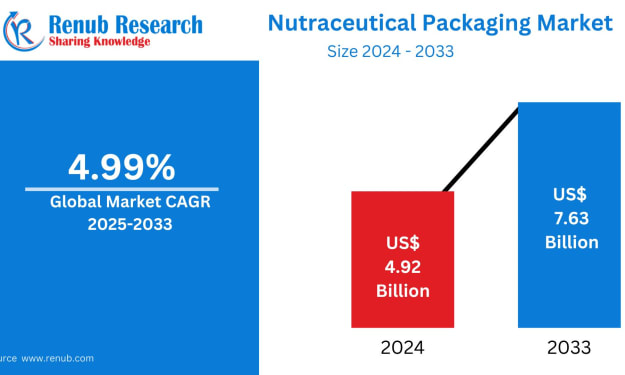
Neutraceutical Packaging Market Size and Forecast 2025–2033
Neutraceutical Packaging Market at a Glance The Neutraceutical Packaging Market is projected to expand from US$ 4.92 billion in 2024 to US$ 7.63 billion by 2033, growing at a CAGR of 4.99% from 2025 to 2033. This steady growth reflects the accelerating global demand for dietary supplements, functional foods, herbal products, and wellness beverages. Rising health awareness, aging populations, sustainability expectations, the rapid growth of e-commerce, and evolving regulatory frameworks are reshaping how nutraceutical products are packaged, protected, and presented.
By jaiklin Fanandish4 days ago in Earth
Wild Card Weekend Recap: What Happens Now?
I think I figured out why I love Wild Card Weekend so much. It's because it's the first playoff anything of the calendar year. The NFL season starts in the fall, and once upon a time, the champion was crowned either on or slightly before New Year's. The evolution of the NFL schedule has resulted in the playoffs starting just into the New Year, and currently, the final week of the season falls on the first weekend of the New Year, with Wild Card Weekend coming a week after that. So yes, chronologically, the NFL's Wild Card Weekend serves as the first playoff anything of the calendar year.
By Clyde E. Dawkins7 days ago in Unbalanced



Comments
There are no comments for this story
Be the first to respond and start the conversation.