
The Enchanting Glow: Unveiling the Mysteries of Fireflies
Exploring the Science, Beauty, and Significance of Nature’s Glowing Wonders


What Flickers in the Night? The Enchanting World of Fireflies
Imagine standing in a quiet field as dusk settles. Suddenly, tiny lights begin to flicker around you—soft, golden pulses dancing in the dark. These are fireflies, nature’s living lanterns, weaving a tapestry of light that has captivated humans for centuries. But what lies behind this mesmerizing display? Let's delve into the science and wonder of fireflies.
1. The Science Behind the Glow
Fireflies produce light through a process called bioluminescence. This involves a chemical reaction in specialized cells located in their abdomens. The key players in this reaction are:
Luciferin: A light-emitting compound.
Luciferase: An enzyme that catalyzes the reaction.
Oxygen: Essential for the reaction to occur.
ATP (Adenosine Triphosphate): Provides energy for the reaction.
When luciferin reacts with oxygen in the presence of luciferase and ATP, it produces light with almost no heat—hence the term "cold light." This efficiency is remarkable; nearly all the energy is converted into light, making it one of the most efficient light-producing reactions known in nature.
2. Communication Through Light
Fireflies use their bioluminescence primarily for communication, especially during mating rituals. Each species has its own unique flash pattern, which helps males and females of the same species find each other. Males typically fly around emitting specific light patterns, while stationary females respond with their own flashes, creating a luminous dialogue in the night.
Interestingly, some species engage in deceptive practices. For example, certain female fireflies mimic the flash patterns of other species to lure unsuspecting males, only to prey on them. This phenomenon, known as "aggressive mimicry," showcases the complex behaviors associated with firefly bioluminescence.
3. Diversity Among Fireflies
There are over 2,000 known species of fireflies worldwide, each exhibiting unique behaviors and light patterns. Some notable species include:
Photinus pyralis: Commonly found in North America, known for its distinctive J-shaped flight pattern.
Photuris spp.: Notorious for their predatory mimicry tactics.
Pyractomena vexillaria (Amber Comet Firefly): Emits an intense flash followed by a glowing trail, resembling a comet streaking across the sky. This species was rediscovered in Texas after being thought extinct since the 1940s.
The diversity among firefly species highlights the evolutionary adaptations that have allowed them to thrive in various environments.
4. Ecological Significance and Conservation
Fireflies play vital roles in ecosystems, serving as both predators and prey. Their larvae are known to feed on other insects, helping control pest populations. However, firefly populations are declining globally due to factors such as habitat loss, light pollution, and pesticide use.
Conservation efforts are underway in various regions. For instance, in Taiwan, community-led initiatives have successfully reintroduced fireflies into urban parks, creating "ecological miracles" that draw both locals and tourists to witness the seasonal displays.
5. Fireflies in Culture and Literature
Throughout history, fireflies have inspired myths, poetry, and art. In Victorian England, they were likened to fairies, while in Japan, they symbolize love and are celebrated in festivals. Their ephemeral glow has been a metaphor for fleeting beauty and the transient nature of life in various literary works.
6. Firefly Habitats: Where Do They Live?
Fireflies are found in a variety of habitats, from forests to grasslands, wetlands, and even urban areas. Their habitats need to be dark enough for their bioluminescence to be effective for communication. Moist environments, particularly those near water sources like ponds, streams, and marshes, are crucial to their survival, as many firefly larvae depend on aquatic habitats.
Different species prefer different environments; for example, some are found exclusively in forested areas, while others thrive in open fields. Preserving these natural habitats is essential for maintaining healthy firefly populations, as changes in land use and urbanization can disrupt their delicate ecosystems.
7. The Future of Fireflies: Can They Survive in Our Changing World?
As we face increasing environmental challenges, the future of fireflies remains uncertain. Habitat destruction, pollution, and light pollution are the greatest threats to their survival. Artificial light in urban areas can overwhelm their natural glow, hindering their ability to communicate and reproduce. Furthermore, climate change may alter the timing and conditions under which fireflies thrive.
However, there is hope. Scientists and environmentalists are working on strategies to protect fireflies. Restoring natural habitats, reducing pesticide use, and controlling artificial lighting at night are some of the ways we can help these fascinating creatures. Awareness campaigns and local conservation efforts also play an essential role in ensuring fireflies continue to grace our nights for generations to come.
Conclusion
Fireflies are more than just enchanting insects; they are marvels of natural engineering and vital components of our ecosystems. Their bioluminescent displays serve as a reminder of the wonders that nature holds and the importance of preserving such delicate phenomena for future generations.
Thank you for taking the time to explore the luminous world of fireflies. May their glow continue to inspire awe and a deeper appreciation for the natural world.
About the Creator
Natik Ahsan
Welcome to a world of wonder, curiosity, and nature's quiet magic.
Here, I explore stories that open minds, spark thought, and invite gentle conversation.
Thank you for being here—your presence means everything.
Keep reading
More stories from Natik Ahsan and writers in Earth and other communities.
Unveiling the Giants
Ever wondered what really lurks beneath the waves? Sharks are some of the most misunderstood—and fascinating—creatures in our oceans. From the mighty Great White to the gentle Whale Shark, each species tells a story of survival, power, and mystery. In this blog, we’ll dive deep into the world of ten remarkable sharks and uncover facts that may surprise you—and change the way you see these ocean giants fore
By Natik Ahsan9 months ago in Earth
A building's lifetime climate impact is mostly determined by its daily energy use.
The majority of a building's climate impact is not caused by its construction. As the heating, lighting, and ventilation systems continue to function year after year, it gradually accumulates.
By Francis Dami5 days ago in Earth
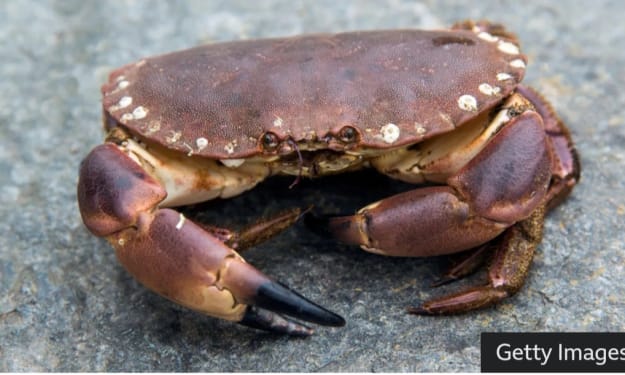
Workers Recover 15,000 Crabs After Lorry Crashes Into Field
An extraordinary scene unfolded when a lorry carrying an estimated 15,000 live crabs crashed into a field, spilling its cargo across farmland and prompting a large-scale recovery effort. The unusual accident quickly drew attention from local residents, emergency services, and animal welfare groups, as workers scrambled to rescue as many crabs as possible before they succumbed to exposure.
By Aarif Lashari6 days ago in Earth



Comments
There are no comments for this story
Be the first to respond and start the conversation.