
"The Dark Side of Technology: A Comprehensive List of Potentially Harmful or Dangerous Technologies"
Dangerous Technologies

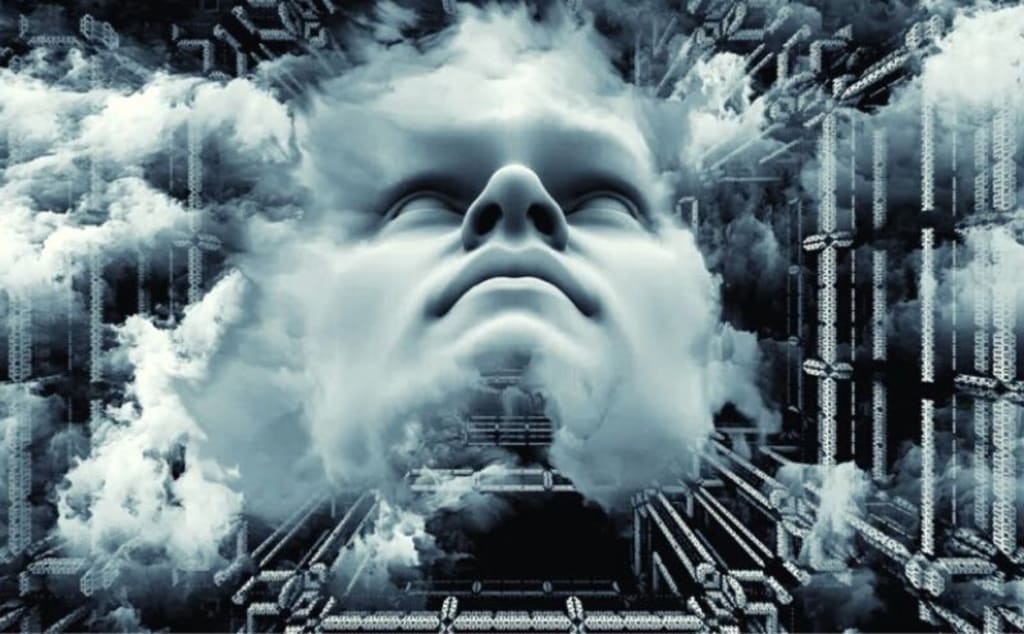
It is difficult to identify a single technology as the most poisonous or dangerous in the world, as different technologies can be harmful in different ways and to different groups of people. However, some technologies that have been identified as potentially harmful or dangerous include:
Nuclear weapons:
These weapons use nuclear reactions to release massive amounts of energy, which can be used to cause destruction and loss of life on a massive scale. The use of nuclear weapons has the potential to cause long-term damage to the environment and to human health, due to the release of radioactive materials into the air and water.
Chemical and biological weapons:
These weapons use chemical or biological agents to cause harm or death to humans or animals. These types of weapons can be difficult to detect and can have long-lasting effects on those who are exposed to them.
Industrial chemicals:
Many industrial chemicals, such as those used in the production of plastics and other products, can be harmful if not used properly. These chemicals can cause health problems if inhaled or ingested, and can also harm the environment if they are not disposed of properly.
Pesticides:
Pesticides are chemicals used to control pests such as insects and weeds. While they can be effective at controlling these pests, they can also be harmful to humans and other animals if used improperly. Some pesticides have been linked to cancer and other health problems.
Polluting technologies:
Technologies that produce harmful emissions, such as coal-fired power plants and vehicles with internal combustion engines, can contribute to air and water pollution, which can have negative effects on human health and the environment.
Genetically modified organisms (GMOs):
The use of genetic engineering to modify the characteristics of plants, animals, and microorganisms has the potential to bring about significant benefits. However, there are also concerns about the potential risks of GMOs, including the possibility of unintended consequences and the potential for negative impacts on the environment.
Cyberattacks:
With the increasing reliance on technology and the internet, cyberattacks have become a major concern. These attacks can involve the theft of sensitive information, the disruption of critical infrastructure, or the spreading of malicious software. Cyberattacks can have serious consequences for individuals, organizations, and even entire countries.
Social media:
While social media has the potential to connect people and facilitate communication, it has also been linked to negative consequences such as the spread of misinformation, the erosion of privacy, and the negative impact on mental health.
Autonomous weapons:
Autonomous weapons, also known as killer robots, are weapons that can select and engage targets without human intervention. There are concerns about the potential for these weapons to be used to commit human rights abuses and to lower the threshold for going to war.
Artificial intelligence:
While artificial intelligence has the potential to bring about significant benefits, there are also concerns about the potential risks and negative consequences of this technology. These include the possibility of job displacement, the potential for bias in AI systems, and the risk of malicious use of the technology.
Drones:
Drones, also known as unmanned aerial vehicles, have a variety of uses, including military, commercial, and recreational. However, there are concerns about the potential for drones to be used for nefarious purposes, such as surveillance, terrorism, and smuggling.
Facial recognition technology:
Facial recognition technology, which uses computer algorithms to identify individuals based on their facial features, has the potential to improve security and convenience. However, there are also concerns about the potential for this technology to be used to violate privacy and to perpetuate biases.
Internet of Things (IoT) devices:
IoT devices, which are connected to the internet and can communicate with each other, have the potential to make our lives more convenient. However, there are also concerns about the potential for these devices to be hacked and used to gather sensitive information or to disrupt systems.
CRISPR:
CRISPR is a technology that allows for the precise editing of DNA. While it has the potential to bring about significant benefits, such as the ability to cure genetic diseases, there are also concerns about the potential risks and negative consequences of this technology, including the possibility of unintended consequences and the potential for misuse.
Virtual reality:
Virtual reality technology, which allows users to experience immersive, computer-generated environments, has a variety of uses, including gaming, education, and training. However, there are concerns about the potential for this technology to be used to manipulate users and perpetuate negative stereotypes.
As with all technologies, it is important to use these responsibly and to take steps to minimize the risks they may pose. This includes ensuring that appropriate safeguards and regulations are in place and being mindful of the potential consequences of using a particular technology.
About the Creator
Keep reading
More stories from Ajith kumar and writers in Earth and other communities.
"The Light of the Full Moon"
The full moon hung low in the sky, casting an ethereal glow over the small, quiet town nestled in the valley below. It was a peaceful, almost surreal scene, with the moon's light casting long shadows across the deserted streets and the gentle rustling of the trees the only sound breaking the stillness of the night.
By Ajith kumar3 years ago in Earth
Britain in Talks With NATO to Boost Arctic Security
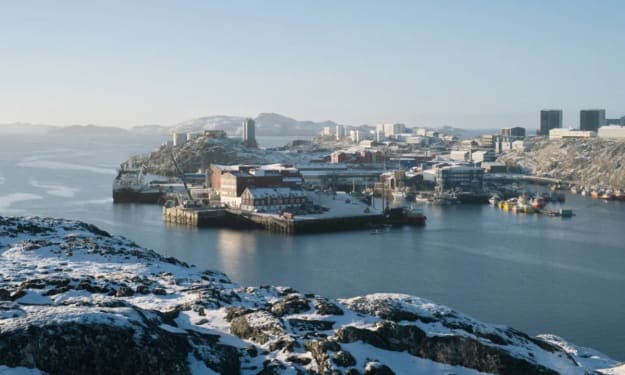
The Arctic Is No Longer a Frozen Backwater For decades, the Arctic sat quietly on the margins of global politics—remote, frozen, and largely ignored. That era is over. Britain is now in talks with NATO to strengthen Arctic security, acknowledging growing risks posed by Russia and China. In a notable shift, London’s assessment aligns closely with warnings long emphasized by Donald Trump, particularly as he continues to express strategic interest in Greenland. What once sounded like an eccentric fixation has evolved into a serious geopolitical conversation. The Arctic is rapidly becoming one of the world’s most contested regions, and Britain is positioning itself to play a larger role. Why Britain Is Paying Attention Now Although the UK is not an Arctic nation, it is an Arctic-adjacent power with significant strategic interests. British officials increasingly view the High North as critical to national and allied security. Melting ice is opening new shipping routes, exposing untapped natural resources, and making military movement easier than ever before. Britain’s talks with NATO focus on intelligence sharing, joint exercises, surveillance capabilities, and protecting undersea infrastructure such as communication cables and energy pipelines. These are not abstract concerns. Any disruption in the Arctic could have immediate consequences for European security and global trade. In short, what happens in the Arctic does not stay in the Arctic. Russia’s Expanding Arctic Footprint Russia is the dominant military power in the Arctic, and it is not slowing down. Moscow has reopened Soviet-era bases, deployed advanced missile systems, expanded its icebreaker fleet, and increased patrols across the region. The Arctic coastline represents a core part of Russia’s nuclear deterrent, making it strategically vital to the Kremlin. From NATO’s perspective, this military buildup creates both risk and uncertainty. Britain, which has long been vocal about Russian aggression—from Ukraine to cyber warfare—sees the Arctic as another front where deterrence must be strengthened before tensions spiral. The concern is not necessarily an immediate conflict, but miscalculation. In a region with harsh conditions and limited communication infrastructure, even minor incidents could escalate rapidly. China’s Quiet but Steady Arctic Ambitions While Russia’s presence is overt, China’s Arctic strategy is more subtle—and equally concerning to Western planners. Beijing calls itself a “near-Arctic state,” a label that has raised eyebrows in Europe and North America. Through investments, research stations, and partnerships, China is laying the groundwork for long-term influence. Britain shares NATO’s concern that China could use civilian projects for dual-use purposes, blending scientific research with intelligence gathering and infrastructure control. As Arctic shipping routes become commercially viable, China’s interest in controlling parts of the supply chain only grows. London’s alignment with these concerns reflects a broader shift in UK foreign policy: China is no longer viewed solely as an economic partner, but as a strategic competitor. Trump, Greenland, and Strategic Reality Donald Trump’s repeated interest in Greenland—most famously his suggestion that the United States should buy it—was widely mocked at the time. Yet behind the headlines was a strategic logic that many Western governments now openly acknowledge. Greenland sits at the heart of the Arctic, hosting vital air and naval routes between North America and Europe. It is also rich in rare earth minerals critical for modern technology and defense systems. As ice recedes, Greenland’s strategic value only increases. Britain’s current position, which aligns with Trump’s warnings about Arctic vulnerabilities, shows how quickly political perceptions can change. What once seemed unconventional now appears prescient. NATO’s Arctic Awakening NATO has traditionally focused on Eastern Europe and the North Atlantic. The Arctic, despite its importance, received less coordinated attention. That is changing. Britain’s talks with NATO reflect a broader alliance effort to integrate Arctic defense into its core strategy. This includes: Increased joint military exercises in cold-weather environments Enhanced monitoring of Russian and Chinese activity Strengthening cooperation with Arctic nations like Norway, Canada, and Denmark Protecting critical undersea and satellite infrastructure For Britain, this is also about credibility. As a leading NATO member and a key military power, the UK wants to demonstrate that it can contribute meaningfully beyond its immediate geography. Climate Change as a Security Multiplier One of the most striking aspects of Arctic security is how closely it is tied to climate change. Melting ice is not just an environmental issue—it is a strategic one. New sea lanes shorten travel between Asia and Europe, while access to oil, gas, and minerals becomes easier. This transformation increases competition and reduces natural barriers that once limited military movement. Britain’s involvement reflects recognition that climate-driven changes are reshaping the security landscape faster than traditional institutions were designed to handle. In this sense, Arctic security is a preview of future global challenges where environmental change and geopolitics collide. Domestic and Diplomatic Balancing Acts Britain’s Arctic engagement is not without challenges. Increased military involvement raises questions about defense spending, priorities, and escalation risks. Diplomatically, London must balance deterrence with dialogue, avoiding actions that could unnecessarily provoke Russia while still protecting allied interests. There is also the question of public awareness. Arctic security lacks the visibility of conflicts like Ukraine, making it harder to sustain political attention. Yet policymakers increasingly argue that prevention is cheaper—and safer—than crisis response. What This Means Going Forward Britain’s talks with NATO mark an important shift in how the Arctic is viewed: not as a distant frontier, but as a central arena in 21st-century security. Agreement with Trump-era assessments on Russia, China, and Greenland underscores how geopolitical realities can outlast political controversies. As competition intensifies, the Arctic will likely become a testing ground for cooperation, deterrence, and strategic foresight. Britain’s involvement signals that mid-sized powers are no longer content to watch from the sidelines. Final Thoughts The Arctic is warming faster than any other region on Earth—and so are the geopolitical tensions surrounding it. Britain’s move to boost Arctic security with NATO reflects a growing consensus that ignoring the High North is no longer an option. Whether driven by Russia’s militarization, China’s quiet expansion, or lessons drawn from Trump’s blunt warnings, one truth stands out: the future of global security may well be shaped at the top of the world, where ice, ambition, and power now intersect.
By Muhammad Hassan6 days ago in Earth
Australia Urea Market Size and Forecast 2025–2033
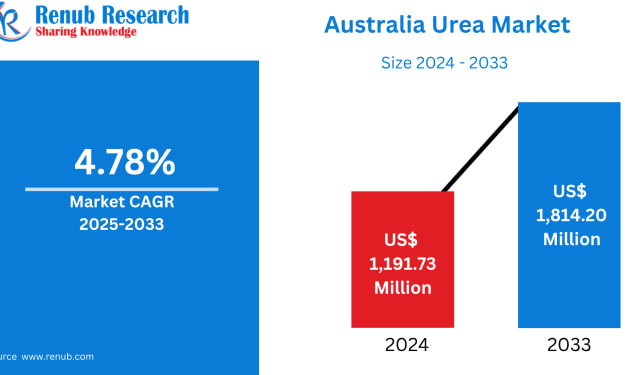
Australia Urea Market Overview The Australian Urea Market is anticipated to reach US$ 1,814.20 million in 2033, up from US$ 1,191.73 million in 2024, growing at a CAGR of 4.78% during 2025–2033, according to Renub Research. This growth is being driven by increasing demand from the agricultural sector for high-nitrogen fertilizers, expanding grain and crop cultivation, and rising government incentives for sustainable farming practices. Import substitution policies and growing interest in domestic production capabilities are also shaping market dynamics.
By Marthan Sir2 days ago in Earth
Miss Persephone's Manual to a Seemingly Ordinary Life
Miss Persephone was found at the dining table, her blue eyes swollen, her tears arriving and retreating like the tides of the ocean. Earlier that day, her family had visited her in the retirement home where she had lived for eight years. It was her eightieth birthday.
By Imola Tóth3 days ago in Fiction


Comments
There are no comments for this story
Be the first to respond and start the conversation.