
The Curse of the Afterlife
Unraveling the Mystique Behind a Perplexing Phenomenon
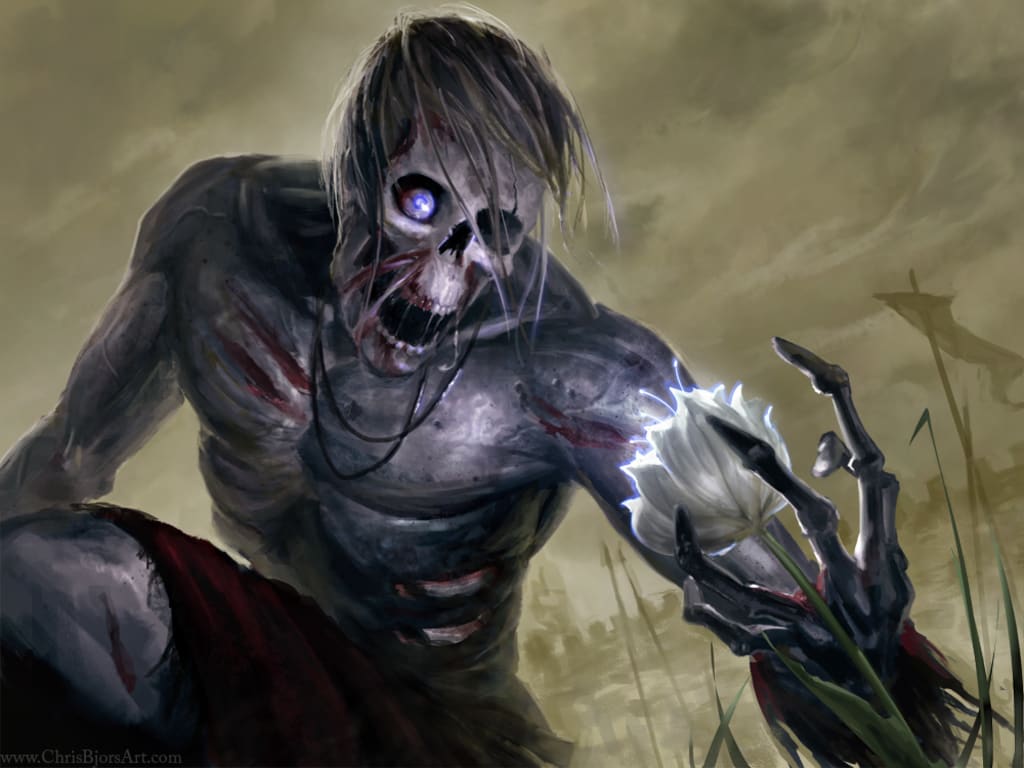
The concept of a "dead curse" is a chilling notion that has captured human imagination for centuries. While often relegated to the realm of superstition and folklore, this idea continues to intrigue and puzzle both historians and psychologists alike. What is a dead curse, and why does it persist as a powerful symbol in various cultures around the world?
Origins and Definitions
A dead curse typically refers to a supernatural or malevolent influence believed to be cast upon individuals, families, or even entire communities by someone who has passed away. This phenomenon often stems from traditional beliefs about the power of the dead to affect the living. In many cultures, it is thought that the deceased can exert influence from beyond the grave, whether through vengeful spirits or lingering curses.
Historically, the origins of dead curses are deeply entwined with cultural practices and religious beliefs. Ancient Egyptians, for example, famously inscribed curses on tombs to deter grave robbers, believing that the dead could enact revenge on those who disturbed their eternal rest. Similarly, in medieval Europe, it was not uncommon for curses to be laid upon individuals by those on their deathbeds, intended to bring misfortune to their enemies.
Cultural Significance
The belief in dead curses varies significantly across cultures. In some societies, the notion of a curse is deeply integrated into religious and spiritual practices. In Haitian Vodou, for example, the concept of a "zombi" is linked to the idea of spirits that can exert control over the living, and curses may be thought to be a form of spiritual retribution.
In Western cultures, dead curses are often associated with the idea of a "haunting" or "ghostly revenge." The infamous "Curse of the Pharaohs," linked to the discovery of Tutankhamun's tomb, exemplifies how curses related to the dead can capture public imagination and influence popular culture. Despite the sensationalism surrounding such stories, they reflect deeper fears and beliefs about the boundaries between life and death.
Psychological and Sociological Perspectives
From a psychological standpoint, the persistence of the belief in dead curses can be attributed to a variety of factors. Cognitive biases, such as the tendency to attribute misfortune to supernatural causes, play a significant role. When individuals experience unexplained or troubling events, attributing them to a curse can provide a framework for understanding and coping with their experiences.
Sociologically, dead curses can serve as a means of social control. In communities where these beliefs are prevalent, the threat of a curse may be used to enforce moral behavior or maintain social order. For example, the fear of a dead curse might deter individuals from engaging in taboo behaviors or violating social norms.
The Science of Dead Curses
Scientific inquiry into dead curses often reveals that many phenomena attributed to curses can be explained through natural or psychological means. Environmental factors, such as mold or toxins, can cause health problems that might be interpreted as signs of a curse. Similarly, the power of suggestion and the placebo effect can influence individuals' perceptions and experiences in ways that align with their belief in curses.
However, the study of dead curses also highlights the limitations of scientific understanding in addressing deeply held beliefs and experiences. The impact of cultural narratives and individual perceptions cannot be easily dismissed, and they play a crucial role in shaping human behavior and experience.
Modern Interpretations
In contemporary times, the concept of a dead curse has evolved and adapted to new contexts. Modern media, including films, books, and television shows, often explore themes of curses and hauntings, reflecting ongoing societal fascination with the supernatural. These portrayals contribute to the cultural legacy of dead curses and influence how they are perceived by new generations.
Moreover, the internet has facilitated the spread of stories and theories related to dead curses, enabling global sharing and reinterpretation of traditional beliefs. Online forums and social media platforms provide spaces for individuals to discuss their experiences and theories, further perpetuating the allure of dead curses in the digital age.
Conclusion
The concept of the dead curse remains a powerful and enigmatic part of human culture. While often rooted in superstition and folklore, it reflects broader themes of fear, morality, and the unknown. As societies continue to grapple with the boundaries between life and death, the enduring fascination with dead curses serves as a reminder of our collective quest to understand and control the mysteries that lie beyond our comprehension. Whether viewed through the lens of history, psychology, or modern media, the dead curse continues to captivate and provoke thought, revealing the complex interplay between belief and reality.
About the Creator
Keep reading
More stories from luka trosic and writers in Earth and other communities.
Four Attacks in 48 Hours: How East Australia’s Beaches Became a ‘Perfect Storm’ for Sharks
East Australia’s coastline has been rocked by four shark attacks in just 48 hours, sparking widespread concern among beachgoers, locals, and authorities alike. While no fatalities were reported in some of these incidents, the frequency and severity of the attacks have left residents and tourists questioning why once-popular swimming spots suddenly became dangerous.
By Muhammad Hassan2 days ago in Earth
Europe Amniotic Membrane Market Size & Forecast 2025–2033
Europe Amniotic Membrane Market Outlook The Europe Amniotic Membrane Market is undergoing a significant transformation as regenerative medicine gains momentum across clinical disciplines. According to Renub Research, the market is projected to grow from US$ 788.42 million in 2024 to US$ 1,892.79 million by 2033, expanding at a CAGR of 10.22% during 2025–2033.
By jaiklin Fanandish7 days ago in Earth




Comments
There are no comments for this story
Be the first to respond and start the conversation.