
The Cultural Heart of Tamil Nadu: The Role of Kamakshi Amman Temple in Preserving Tamil Traditions
Explore How Kamakshi Amman Temple Continues to Be a Pillar of Cultural Heritage and Spirituality in Tamil Nadu
Introduction: Kamakshi Amman Temple—A Symbol of Cultural and Spiritual Legacy
Kamakshi Amman Temple, located in the ancient city of Kanchipuram, is one of the most revered spiritual destinations in South India. While it is primarily known for being a sacred space dedicated to Goddess Kamakshi, the temple also serves as a vital cultural landmark, preserving and promoting the rich spiritual and artistic traditions of Tamil Nadu. The temple’s history is intertwined with the cultural evolution of the region, acting as a center for religious rituals, festivals, art, and community engagement.
In this article, we explore the cultural significance of Kamakshi Amman Temple, its role in preserving Tamil traditions, and how it continues to be a living testament to the region’s vibrant heritage.
A Historic Cultural Landmark
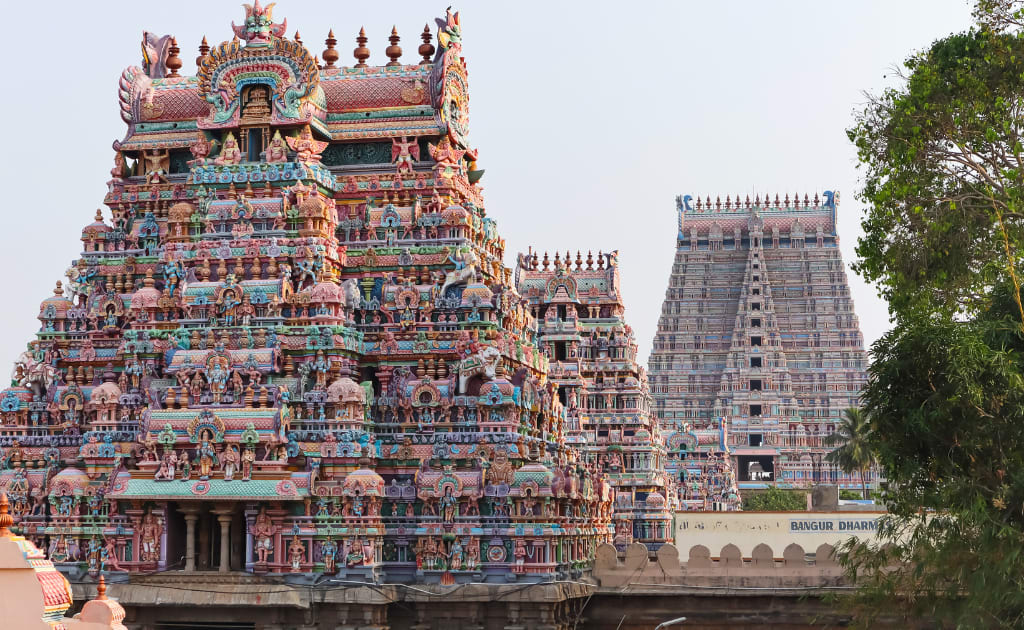
Kamakshi Amman Temple is not just a place of worship but a historical monument that has stood the test of time. It was built during the Pallava dynasty, one of the most important periods in Tamil history, and has been continuously preserved and expanded over the centuries. The temple’s architectural grandeur reflects the excellence of Tamil craftsmanship and engineering, with its towering gopurams (gateway towers), detailed sculptures, and sacred sanctums. The temple’s design embodies the essence of Dravidian architecture, characterized by ornate sculptures of gods, goddesses, and mythological tales.
As a cultural landmark, the temple has played an integral role in shaping the cultural landscape of Tamil Nadu. The spiritual practices and rituals conducted here have influenced and continue to shape the local community's values, beliefs, and way of life.
Kamakshi Amman Temple and Tamil Spiritual Traditions
Kamakshi Amman Temple is deeply embedded in Tamil spiritual traditions. The temple’s rituals and practices are not only an expression of devotion but also a celebration of Tamil heritage. The temple’s importance in Tamil spirituality extends far beyond the daily poojas (ritual prayers) and worship of Goddess Kamakshi. It acts as a nurturing space for the preservation of ancient religious practices passed down through generations.
Vedic Rituals: The priests at Kamakshi Amman Temple perform traditional Vedic rituals that are rooted in ancient Tamil religious customs. These rituals, including homams (fire rituals), archana (prayers), and abhishekams (sacred offerings), are an essential part of the temple’s cultural life. The adherence to these rituals helps maintain the spiritual integrity of the temple while preserving the timeless traditions of Tamil spirituality.
Fasting and Pilgrimages: Fasting and pilgrimage to Kamakshi Amman Temple are integral parts of Tamil spiritual practice. Devotees visit the temple to seek divine blessings, especially during auspicious days and festivals. Pilgrimages to the temple are viewed as an essential part of the spiritual journey, with pilgrims from across the region coming to offer prayers and perform rituals for personal growth and spiritual awakening.
Festivals at Kamakshi Amman Temple: A Celebration of Tamil Culture
Kamakshi Amman Temple is home to some of the most significant festivals in Tamil Nadu, which are celebrated with immense grandeur and devotion. These festivals not only honor the goddess but also celebrate Tamil culture and the region’s rich traditions in music, dance, and art.
Chithirai Festival: One of the most important festivals celebrated at Kamakshi Amman Temple is the Chithirai Festival, held annually during the Tamil month of Chithirai (April-May). This festival marks the divine wedding of Goddess Kamakshi with Lord Shiva, which is re-enacted with great pomp and fervor. The festival features processions, ritualistic prayers, devotional music, and cultural performances that showcase the richness of Tamil heritage.
Navaratri Celebrations: The Navaratri festival is another major event at Kamakshi Amman Temple. This nine-night festival is dedicated to the worship of Goddess Durga, with the temple hosting cultural programs such as classical music concerts, Bharatanatyam dance performances, and devotional singing. The festival serves as a celebration of the Tamil community’s artistic traditions and spiritual devotion.
Other Monthly and Annual Festivals: In addition to the larger festivals, the temple also observes regular monthly poojas and special rituals, which are an essential part of Tamil religious life. These celebrations foster a sense of unity and devotion within the community, further strengthening the cultural fabric of the region.
Kamakshi Amman Temple as a Center for Tamil Art and Music
Kamakshi Amman Temple plays a vital role in nurturing Tamil arts, particularly classical music and dance. Throughout the year, the temple organizes cultural events that showcase the region’s classical art forms, offering a platform for both seasoned artists and aspiring performers.
Classical Music Concerts: Tamil Nadu is renowned for its classical music tradition, particularly Carnatic music, and Kamakshi Amman Temple has long been a center for these performances. During festivals and special occasions, the temple hosts music concerts featuring renowned Carnatic musicians. These performances celebrate the deep connection between music, spirituality, and Tamil culture.
Bharatanatyam Dance Performances: Bharatanatyam, one of the oldest classical dance forms in India, is another integral part of Tamil cultural heritage. The temple regularly hosts Bharatanatyam performances, where dancers perform in honor of the goddess, weaving together the traditions of music, dance, and devotion. These performances are a testament to the temple’s commitment to preserving and promoting Tamil artistic traditions.
A Living Temple: Preserving the Cultural Legacy for Future Generations
Kamakshi Amman Temple not only preserves the spiritual and artistic practices of the past but also ensures that future generations can continue to experience and appreciate Tamil culture. The temple offers educational programs, workshops, and cultural events to engage the youth, instilling in them a sense of pride in their cultural heritage.
The temple’s role in preserving Tamil traditions extends beyond its religious activities. It serves as a community center that fosters a deeper connection to Tamil identity and values, ensuring that the region’s rich history, music, dance, and spiritual practices continue to thrive.
Conclusion: Kamakshi Amman Temple—A Pillar of Cultural Heritage
Kamakshi Amman Temple is much more than a place of worship—it is a cornerstone of Tamil cultural heritage, playing a central role in preserving the spiritual, artistic, and social traditions of Tamil Nadu. From its ancient rituals and festivals to its celebration of classical music and dance, the temple serves as a vital link between the past, present, and future of Tamil culture.
For those who visit Kamakshi Amman Temple, it offers not only divine blessings but also a deep connection to the timeless traditions that define Tamil Nadu’s cultural identity. As the temple continues to inspire devotion, preserve heritage, and promote cultural pride, it remains a living testament to the enduring legacy of Tamil spirituality and art.
About the Creator
Keep reading
More stories from Sri Kamakshi Ambal Temple and writers in Earth and other communities.
Kamakshi Amman Temple: A Guide for First-Time Visitors
The Kamakshi Amman Temple in Kanchipuram, Tamil Nadu, is a sacred pilgrimage site dedicated to Goddess Kamakshi, an embodiment of Shakti (the divine feminine energy). Known for its deep spiritual significance, intricate architecture, and centuries-old traditions, this temple attracts devotees and travelers from around the world.
By Sri Kamakshi Ambal Temple12 months ago in Earth
Global Lawn Mowers Market Set for Strong Growth as Smart Landscaping Goes Mainstream (2025–2033)
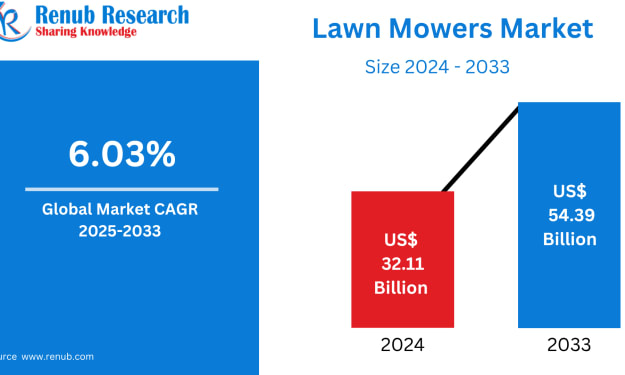
Global Lawn Mowers Market Size & Forecast 2025–2033 The Global Lawn Mowers Market is entering a transformative decade, reshaped by rapid urbanization, the rise of smart homes, and growing environmental awareness. According to Renub Research, the market is projected to grow from US$ 32.11 billion in 2024 to US$ 54.39 billion by 2033, expanding at a CAGR of 6.03% from 2025 to 2033.
By jaiklin Fanandish7 days ago in Earth
Light Builder Waste Skip Bins: Convenient Solutions for Small Projects
Whether you’re renovating your home, cleaning out a small construction site, or completing a DIY project, managing light building waste efficiently is essential. Light builder waste skip bins provide an easy, safe, and environmentally friendly way to dispose of debris without hassle. In this blog, we’ll explore the benefits of light builder waste skip bins, how to choose the right size, and tips for using them effectively.
By Sydney Skip Bins4 days ago in Earth


Comments
There are no comments for this story
Be the first to respond and start the conversation.