
The Consequences of Dumping Trash into Volcanoes: Unveiling the Dangers
Fury Unleashed: Unveiling the Perils of Dumping Trash into Volcanoes

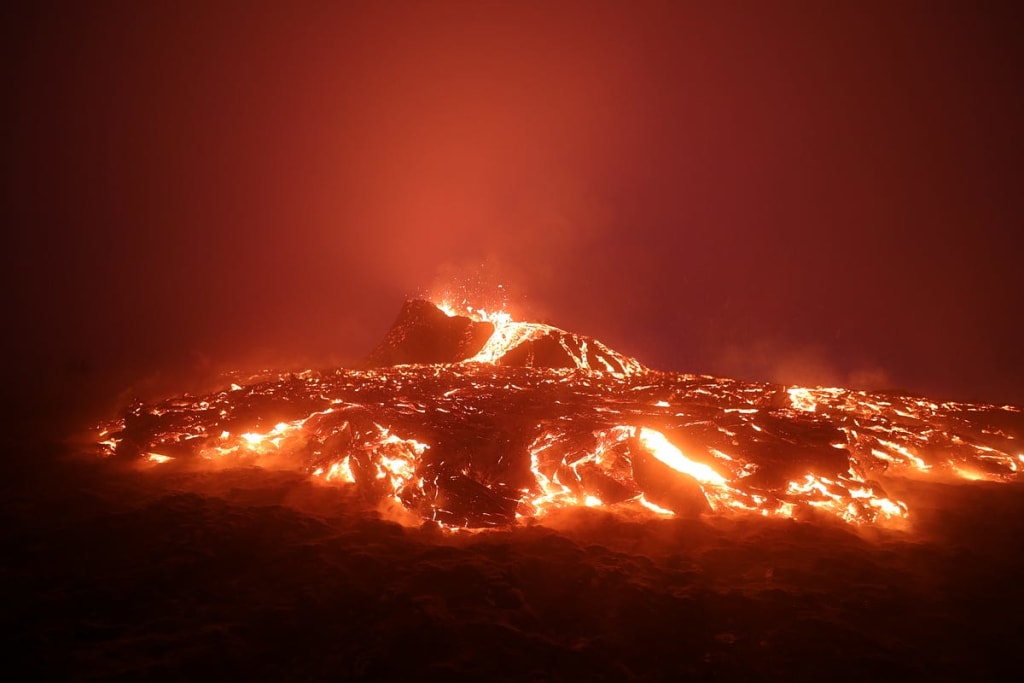
Volcanoes have long fascinated humans with their awe-inspiring eruptions and geological significance. However, the idea of using them as a disposal solution for our mounting waste raises important questions about the potential consequences. While it might seem like an easy way to get rid of trash, the act of dumping waste into volcanoes could have far-reaching and devastating effects on both the environment and our health.
Environmental Impact:
At first glance, the idea of disposing of trash into a volcano may appear as if it would make waste disappear in a fiery blaze. However, the reality is quite different. When waste is thrown into a volcano, it would interact with the intense heat and pressure within the volcano's core. Plastics, for example, would melt, releasing toxic fumes and hazardous chemicals into the atmosphere. These emissions would contribute to air pollution, leading to respiratory issues and other health problems in both local populations and potentially even on a global scale.
Furthermore, the volcanic activity could cause waste to be expelled into the surrounding environment during eruptions. This would not only contaminate nearby lands but also contribute to ocean pollution as waste is carried away by rivers and eventually reaches the sea. Marine life would suffer immensely, as plastics and chemicals could disrupt ecosystems, harm wildlife, and enter the food chain, affecting both aquatic animals and humans who consume seafood.
Impact on Volcanic Activity:
Volcanic systems are delicate and finely balanced. Introducing foreign materials into a volcano could disturb this balance, potentially altering the dynamics of eruptions. The waste's presence might lead to unpredictable eruptions or even create entirely new volcanic phenomena, jeopardizing nearby communities and ecosystems.
The waste dumped into a volcano could interact with magma, forming new compounds that have never been part of the natural volcanic processes. This could affect the composition of volcanic gases, potentially leading to more explosive eruptions. The introduction of large quantities of waste might also cause blockages, trapping pressure and increasing the risk of sudden and violent eruptions.
Global Effects:
The consequences of dumping trash into volcanoes wouldn't be contained to the immediate vicinity. Volcanic gases and particles can travel great distances, carried by wind patterns. If the waste burned in a volcanic eruption, it could release additional greenhouse gases into the atmosphere, exacerbating global warming and climate change.
The widespread dispersion of hazardous particles could also lead to a phenomenon known as "volcanic winter." When volcanic ash and gases reach the upper atmosphere, they can block sunlight and lead to a cooling effect on the planet's surface. This could disrupt agriculture, lower global temperatures, and have far-reaching implications for ecosystems and food supplies.
Human Health Implications:
The release of toxic fumes resulting from burning waste within a volcano could have dire consequences for human health. The emissions could contain carcinogenic substances and respiratory irritants, contributing to a range of illnesses among local populations. Furthermore, the particles and chemicals carried by volcanic activity could contaminate water sources, further impacting public health.
Ethical and Moral Concerns:
Apart from the immediate environmental and health implications, there are ethical considerations to address. Dumping waste into volcanoes could be seen as a short-sighted and irresponsible solution, reflecting a lack of accountability for our waste generation. Rather than addressing the root causes of waste and promoting sustainable waste management practices, such an approach perpetuates a culture of environmental disregard.
While the notion of disposing of waste by throwing it into volcanoes may initially sound tempting, it would bring about catastrophic consequences. The potential environmental, health, and global ramifications underscore the urgency of adopting responsible waste management strategies. Instead of resorting to such drastic measures, societies should focus on reducing waste production, reusing materials, and recycling to mitigate the impacts of our growing waste problem on the planet.
About the Creator
StorySpinner
Passionate about weaving the threads of reality into captivating narratives. Deep into the realms of research, I uncover the hidden gems of truth that inspire my fact-based stories. Join me on a journey where imagination meets knowledge.
Keep reading
More stories from StorySpinner and writers in Earth and other communities.
The Aftermath of the Dinosaurs' Extinction: A New World Emerges
As the dust settled on the catastrophic event that wiped out the dinosaurs, Earth underwent a dramatic transformation. The impact of a massive asteroid in what is now the Yucatan Peninsula, coupled with extensive volcanic activity, led to a catastrophic chain reaction that reshaped the planet's ecosystems. The aftermath was a vastly different world, characterized by opportunities for new life forms to evolve and thrive.
By StorySpinner2 years ago in Earth
“Make America Go Away”: Spoof MAGA Caps Soar in Popularity Amid the Greenland Crisis
Political slogans have always been powerful, but in today’s hyper-connected world, they often take on a life of their own. In recent weeks, a new phrase has been popping up across social media, protests, and online marketplaces: “Make America Go Away.” Printed boldly on red caps that closely resemble the iconic MAGA hats, the slogan is a pointed parody—and it’s rapidly gaining popularity amid renewed tensions surrounding Greenland and U.S. foreign policy rhetoric.
By Aarif Lashariabout 19 hours ago in Earth
Smart phones, Humans and Aliens.
WARNING. I will be tapping into one of your favorite creative tensions: The absurdity of humans worshipping their glowing rectangles as if they were tiny oracles. There’s something deliciously poetic about that contradiction, and it lends itself beautifully to an instructive proviso.
By Novel Allen4 days ago in Poets



Comments
There are no comments for this story
Be the first to respond and start the conversation.