
🔥 The Climate Gamble 2026 | What the New Reality Means 🌎
Avoiding the Dangerous Illusions of the Overshoot Era


The world has entered a turning point: the climate gamble 2026 has been lost, and the consequences are unfolding rapidly. Surging global temperatures, intensifying disasters, and rising economic pressures now define a new climate reality. As this dangerous era begins, governments, businesses, and communities must rethink how to protect lives, rebuild resilience, and prepare for accelerated environmental change.
For more than a decade, global climate policy revolved around a single wager: if nations acted quickly enough, there was still a chance to keep global warming below the symbolic 1.5°C threshold. That number wasn’t magical, but it represented the line between “difficult” and “potentially catastrophic.” Governments, industries, scientists, and communities built their climate ambitions around the idea that the world still had time.
Now, as 2026 begins, the uncomfortable truth is widely acknowledged: the world has lost that gamble.
Record-breaking temperatures, escalating storms, collapsing ecosystems, and increasingly fragile economies are no longer warnings—they are the lived reality. The planet has entered a new climatic phase defined by heightened risks, reduced buffers, and a shrinking margin for error.
But losing the gamble does not mean losing the future.
It means adapting strategy, accelerating action, and preparing societies for a climate that is already more extreme than policymakers planned for. This article provides a comprehensive look at what this new reality means, what risks define 2026, and what choices can still prevent the worst outcomes.

Why 2026 Marks a Turning Point
1. The climate system has shifted beyond earlier assumptions
Over the past three years, planetary warming has accelerated faster than expected. Extreme heat events that scientists once projected for the 2030s began arriving in the mid-2020s. In numerous regions, traditional weather patterns have broken down completely, replaced by:
hotter and longer heatwaves
rainfall systems that stall or intensify unpredictably
overlapping disasters (heat + drought, heat + storms, drought + fire)
coastal inundation becoming a seasonal norm
These patterns demonstrate that the world has moved from “early climate change” into a more volatile stage where every tenth of a degree of additional warming multiplies risk.
2. Emission cuts were too slow, too small, and too politically fragile
Despite years of promises, global emissions plateaued rather than plunged. Fossil fuel investment continued. Global energy demand outpaced renewable deployment. And many governments prioritized short-term economic stability over climate commitments.
In short: the world didn’t reduce emissions fast enough to stay on the safe side of climate thresholds. Now, warming momentum is baked into the next decade — even with stronger actions starting today.
3. Overshoot is no longer a future scenario — it’s the present
“Overshoot” refers to temporarily exceeding a temperature goal and trying to return below it later. By 2026, overshoot has become inevitable. This means the world must deal not only with higher average temperatures, but also with:
irreversible ecosystem impacts
heightened disaster frequency
infrastructure stress
long-term economic volatility
deepening inequality between resilient and vulnerable regions
The gamble wasn’t simply about staying under 1.5°C. It was about avoiding a cluster of interconnected risks. Those risks have now arrived.
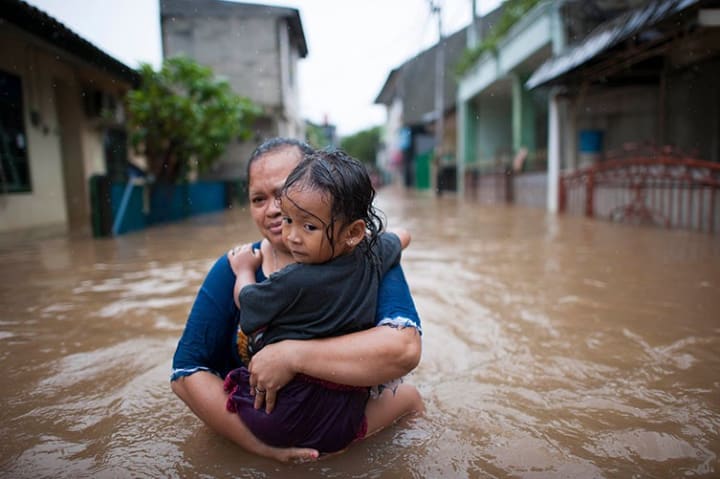
The 2026 Climate Risk Landscape: What the New Reality Looks Like
Below is a detailed look at the key risks shaping 2026 and beyond.
1. Extreme Heat Becomes the Defining Hazard of Modern Life
Heatwaves are now the deadliest recurring climate event globally. In 2026, the world can expect:
more frequent multi-week heatwaves
nighttime temperatures too high for the body to recover
cities experiencing “urban heat traps”
severe outdoor labor reduction
increased rates of heatstroke and cardiovascular emergencies
For many regions, extreme heat is transforming where people can safely live and work.
2. Compounded Disasters Overturn Old Climate Models
The new climate era is characterized by overlapping catastrophes:
A heatwave dries vegetation → drought intensifies → wildfires ignite → storms arrive → landslides follow.
Tropical cyclones stall over warmer oceans → rainfall doubles → rivers overflow → infrastructure collapses.
These “domino disasters” are now more common than isolated events.
3. Coastal Regions Enter a New Age of Permanently Rising Risk
Sea levels continue rising, but storm surges amplify damage dramatically. Coastal cities now face:
more frequent tidal flooding
permanent loss of shoreline
saltwater intrusion into drinking water
rising financial strain from infrastructure reinforcement
growing debates about strategic retreat
For low-lying nations, the issue is existential.
4. Food Systems Enter a Decade of Instability
Agriculture has become one of the most immediate victims of the new climate regime.
Key stressors include:
unpredictable growing seasons
flash droughts and intense rainfall back-to-back
soil degradation from repeated extremes
temperature thresholds that key crops can’t tolerate
fisheries collapsing due to ocean heatwaves
This puts global food security under increasing pressure.
5. Economic and Political Instability Intensify
Climate impacts do not remain confined to the environment; they cascade into economies and governance systems.
2026 brings:
rising insurance premiums or total withdrawal from risky markets
higher food and energy prices
climate-driven migration pressures
budget strain from repeated disaster recovery
increased geopolitical friction over water and resources
The climate crisis has become an economic crisis — and a political one.
FAQs
What does it mean that the world lost the climate gamble in 2026?
Losing the climate gamble 2026 means the world has entered a more dangerous climate reality 2026, where rising temperatures and extreme events are unavoidable. Nations must prioritize resilience, adaptation, and faster action to manage global warming risks 2026.
Why is 2026 considered a turning point for climate reality?
The year marks a shift into a more volatile climate reality 2026, driven by record heat, severe weather, and growing global warming risks 2026. It shows the climate gamble 2026 has already produced long-lasting consequences that require urgent global response.
What are the biggest global warming risks in 2026?
The major global warming risks 2026 include extreme heat, stronger storms, wildfires, food insecurity, and economic instability. These growing threats confirm the world has entered a harsher climate reality 2026, proving the climate gamble 2026 is over.
How should countries respond to the new climate reality of 2026?
Governments must accelerate emissions cuts, invest in resilient infrastructure, and expand adaptation plans to address the climate reality 2026. Stronger policies and rapid action are essential to reduce global warming risks 2026 and avoid worsening outcomes from the climate gamble 2026.
How will the lost climate gamble 2026 impact everyday life?
Daily life will be shaped by hotter temperatures, higher costs, frequent weather extremes, and shifting resource availability. This new climate reality 2026 increases global warming risks 2026 and highlights why stronger community protection is vital following the failed climate gamble 2026.
About the Creator
Peter Ahn
DoggyZine.com provides unique articles. Health, Behavior, Life Style, Nutrition, Toys and Training for dog owners.
The Universe That Dreams Us
For centuries, humanity believed the universe was expanding. Galaxies drifting farther apart. Space stretching endlessly like an invisible fabric. The theory had been supported by decades of observations, especially from the famous Hubble Space Telescope, which showed distant galaxies moving away from Earth in every direction.
By Abubakar2207 days ago in Earth




Comments
There are no comments for this story
Be the first to respond and start the conversation.