
The Benefits of Using Recycled Polyester Staple Fiber in Fashion.
RPSF

The fashion industry is highly transforming into a significant aspect with the importance of sustainability paramount from the brand and consumer's end. Among the most promising innovation in the changing scenario, one of the biggest drivers of change is the application of Recycled Polyester Staple Fiber (RPSF). Produced from post-consumer PET (polyethylene terephthalate) bottles, among other types of recycled polyester products, the material provides an environmentally friendly alternative for the environment besides offering a numerous package of benefits that is helping reshape the world of fashion. As more and more brands become sensitive to RPSF, the dominant trend is now part of the global movement towards fashion sustainability.
In the following article, we will explore some of the advantages of using recycled polyester staple fiber in the fashion industry. We will explain these advantages in terms of the environmental dimension, economic space, and functionality.
Environmental Advantages
There are several reasons why the fashion industry embraces recycled polyester staple fiber, but one of the primary drivers is its enormous environmental benefits. Traditional polyester comes from a non-renewable resource: petroleum. Its production entails high energy consumption and emissions, which are destructive and can significantly cause damage to the environment. On the other hand, RPSF has been manufactured through recycled materials, including discarded PET bottles, which in turn reduces the consumption of virgin sources and, consequently, minimizes the overall harmful impression that fashion production entails.
Reduced Plastic Waste
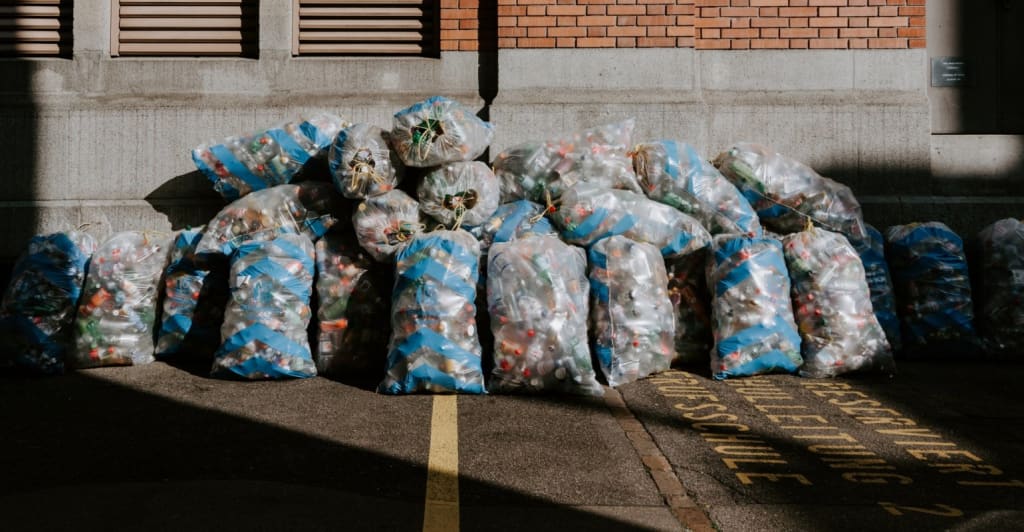
The fashion industry is in an uncertain relationship with pollution and waste, but RPSF does present a practical solution to one of the biggest problems put forward by the earth in terms of plastic waste. This industry can redirect millions of plastic containers from landfills and oceans by recycling PET bottles into polyester fibers. This volume of waste, along with its destruction of marine life and ecosystems that plastic pollution creates, is reduced.
For each ton produced, over 20,000 plastic bottles are saved from landfills and the oceans. RPSF, therefore remains one of the fundamental instruments for mitigating plastic waste and facilitating a true circular economy in which materials are continuously looped back into reuse rather than being wasted.
Energy and Resource Preservation
It also requires an energetically lesser amount to produce compared to virgin polyester. Some studies indicate that recycling of the former takes around 59% less energy than the conventional version. RPSF production also saves water, which is often used in excess in the textile industry. This reduction in resource usage reflects in a reduced carbon footprint of the fashion brands while employing RPSF in their products.
All these can be achieved by choosing to use RPSF, thus saving brands from dependence on fossil fuels and ultimately contributing to the conservation of energy, which is a larger global attempt to curb climate change.
Economic Benefits
Besides environmental merits, RP staple fiber also holds economic gains for brands and consumers. More than anything, as the fashion industry boils down to the sustainability aspect, RPSF stands out as a low-cost, resource-friendly material, making it easy for brands to reduce their costs while at the same time improving their credentials on the eco-friendly aspect.
Cost-Effective Production
It is often less expensive to produce recycled polyester than virgin polyester, especially with improved technologies for recycling and processing. Brands will, therefore, experience better production costs and, by extension, this benefit will find its way to the consumer in the form of cheaper sustainable fashion choices. With growing demand for eco-friendly products, using recycled fibers makes the brand stay competitive as at the same time, it meets customer expectations for sustainability.
Fulfilling Consumers Demand on Sustained Fashion
Over the last few years, consumer purchase behavior has shifted dramatically towards sustainable and ethically produced fashion. Concerned consumers are now also worried about the environmental impact of their purchases and, therefore, will be willing to lend their support to companies that focus on sustainability. The newly emerging demand can thus be significantly offset by fashion companies through recycled polyester staple fiber, creating a loyal customer base.
With this increased consciousness of the ill effects of the fashion industry on the environment, sustainable materials such as RPSF help brands stand out in the market. This not only sells but also features the brand to be a sustainable leader.
Versatility and Performance
Eco-economy, RPSF is not only favorable to the environment and economy but also for satisfactory performance in different aspects of fashion applications. Most of the qualities of traditional polyester give great properties like durability, moisture-wicking properties, and resistance to stretch and shrink are retained by RPSF.
Good Durability and Longevity
Another significant advantage of recycled polyester is that it is very strong. Garments made from RPSF have demonstrated strength and durability. It's pretty big in the fashion landscape today to have pieces from consumers who are looking for products that last. The recycled polyester fibers resist wear and washing without losing their shape and quality. It could be used in application, such as activewear, outerwear, and everyday basics.
Using RPSF, Brands will produce highly performing apparels that are sustainable yet durable; thus, the garment does not need to be frequently replaced and leads to more responsible kinds of consumption.
Moisture-Wicking and Quick-Drying
Another highly practical recycled polyester staple fiber is the high and showing moisture-wicking and quick-drying properties it demonstrates. This is the reason why it works well for performance sportswear and outdoor wear because performance and comfort are always key considerations. RPSF, therefore will be able to keep the wearer dry and comfortable through exercise by managing to draw moisture away from the skin. This is one of the reasons why activewear brands are one of its biggest fans.
RPSF is light and airy and can be used for a broad range of clothing, such as summer dresses and winter jackets.
Support for Circular Fashion Economy
Recycling polyester staple fiber is an activity on the way toward achieving a circular fashion economy where materials are made to be continuously recycled and reused instead of remaining used once. The nature of the linear economy forces a lot of production, wearing, and then disposing clothing that mostly contributes to waste and pollution. RPSF assists the industry in closing the loop toward sustainability and turning waste after use into new products, reducing virgin resources, and consequently, minimizing environmental implications.
The adoption of RPSF by brands, therefore, increases the count of a sustainable fashion system wherein waste is minimized and resources conserved; a concept that has been pursued in the pursuit of circular fashion, the promotion of recycling and reusing of materials to create a greener fashion industry.
Conclusion
Recycled polyester staple fiber is significantly revolutionizing the fashion industry. These fibers come with numerous benefits to their users. They are somewhat environmental, somewhat economic, and much practical. From the reduction of plastic waste and saving resources to ensuring durable, high-performance garments, RPSF is emerging as an invaluable material in the quest for sustainable fashion. That consumption of eco-friendly products is expected to rise continues to make it imperative that fashion brands are taking up RPSF more frequently.
For example, through choosing recycled polyester staple fiber, fashion brands are not only looking to move forward on reducing their impact on the environment but are also able to tap into a new generation of conscious consumers who seek sustainability without the need for sacrificing style or performance. As this trend continues, RPSF will be the cornerstone of sustainable fashion for years to come.
About the Creator
Rakshitam Ecofibre
We provide Recycled Polyester Staple Fibre is available in various cut lengths and deniers suitable for different industries like spinning, non-woven and technical textiles. Also we buy rPET Flakes and rPET Bottles. Visit: www.rakshitam.com
Keep reading
More stories from Rakshitam Ecofibre and writers in Earth and other communities.
How Recycled Polyester Staple Fiber is Transforming the Fashion Industry
The fashion industry being highly creative and innovative has always been under the scanner for causing damage to the environment. Lastly, in a decade, with consumer, designer, and brand awareness regarding sustainability, it has birthed new materials and a new set of practices which can help mitigate the carbon footprint of the fashion industry. These include innovations like Recycled Polyester Staple Fiber, which not only reduces waste but changes the entire game of fashion productions and consumption altogether.
By Rakshitam Ecofibreabout a year ago in Earth
All Holidays Cancelled as UK Holiday Firm Goes Bust
Holiday Firm Collapse Sparks Chaos A major UK holiday company has gone bust, resulting in the cancellation of all booked holidays. The collapse has left thousands of travellers without trips, refunds, or alternative arrangements, sparking frustration and concern among affected customers.
By Aarif Lashari4 days ago in Earth



Comments
There are no comments for this story
Be the first to respond and start the conversation.