
The Art and Hazards of Stone Stacking: A Journey into the Pastime and Wilderness Wisdom
"Stone Stacking: Harmony in Nature"


Stone stacking, a seemingly innocuous and aesthetically pleasing pastime, has gained popularity for its tranquil appeal and visually striking results. However, this seemingly harmless activity has deeper roots in history, with ancient civilizations using stacked stones not only for practical purposes but also as a means of summoning good fortune and marking trails. As we delve into the world of stone stacking, it's essential to recognize its historical significance and the environmental concerns that accompany this seemingly serene activity.
Ancient Stone Stacking:
In ancient times, people instinctively stacked stones as their first foray into building structures. Beyond the aesthetic appeal we associate with modern stone stacking, these formations served practical purposes. Mongolians used them in burial monuments, and in Tibet, they played a role in ceremonies to summon good fortune and balance conflicting energies. Additionally, people relied on these stacked stones to mark their environments and avoid getting lost in the absence of modern navigation tools.
Stone Stacking as a Hobby:
The practice of stacking stones has evolved from a practical necessity into a hobby and meditative practice. However, concerns are rising among wildlife experts about the potential impact of stone stacking on nature. While it may appear harmless, the act of moving stones can disrupt the habitats of tiny creatures, such as insects, which rely on these formations for shelter and reproduction. Stone stacking can also accelerate erosion and impede the natural flow of rivers and streams, presenting a threat to both the environment and unsuspecting individuals.
Navigational Tools and Trail Marking:
Despite the concerns, in some areas, rock stacking serves a crucial role in marking trails. Parks like Carlsbad Caverns National Park officially incorporate stone piles to guide visitors in less-frequented areas. Properly placed stone structures aid hikers in finding paths, serving as trail markers. It's important to respect the rules of each area and understand whether rock stacking is part of the official route-marking system. Disregarding these rules can lead to confusion and potential dangers for other hikers.
Environmental Impact and Ethical Considerations:
While stone stacking may offer picturesque moments, it's crucial to consider the broader impact on nature. Stone structures, especially in delicate ecosystems, can disturb the balance of the environment. Beyond respecting rules and regulations, adhering to wildlife ethics, such as leaving no trace, is essential. Stone stacks can contribute to erosion, impacting the natural order of the landscape and the organisms that inhabit it.
Outdoor Etiquette and Safety:
Engaging with nature requires a set of guidelines to ensure both personal safety and the preservation of the environment. Solo travelers should exercise caution, as unexpected accidents or injuries can pose challenges in remote areas. Informing others of your plans and expected return time adds an extra layer of safety. Moreover, investing in proper equipment, understanding wildlife encounters, and practicing responsible camping habits contribute to a positive outdoor experience.
Encountering Wildlife:
In the wilderness, encounters with wildlife are not uncommon. Knowing how to behave around various animals is crucial for both your safety and theirs. Whether facing snakes, moose, bears, or mountain lions, understanding the appropriate response can mitigate potential dangers. Respecting their space, making noise, and responding appropriately in different scenarios are key aspects of responsible outdoor exploration.
Conclusion:
Stone stacking, beyond its surface-level charm, carries a rich history and potential environmental consequences. As outdoor enthusiasts and nature lovers, it is our responsibility to engage with the wilderness respectfully, adhering to ethical guidelines and considering the broader impact of our activities. Balancing the joy of stone stacking with an awareness of its historical roots and environmental implications ensures a harmonious coexistence between humanity and the natural world. So, venture into the great outdoors, but do so with a mindful appreciation for the delicate balance of nature.
About the Creator
Keep reading
More stories from Kayne Wild and writers in Earth and other communities.
Unveiling the Mysteries of the Drake Passage: A Treacherous Journey Through History
Introduction: The mystique of the Drake Passage, bearing the name of the esteemed English explorer Sir Francis Drake, remains a hidden gem for many. Although Sir Francis Drake himself never set sail through these waters, it was one of his ships that unraveled a pivotal connection between the Atlantic and Pacific Oceans in 1578. With the passage of time, this maritime corridor garnered a global reputation as the roughest and most unpredictable stretch of water, characterized by formidable winds, towering waves, and treacherous currents.
By Kayne Wild2 years ago in Earth
How Much Do You Need in an ISA for a Passive Income That Beats the State Pension?
For many people in the UK, the State Pension is expected to form the backbone of retirement income. But with rising living costs and growing uncertainty about the future, more savers are asking a crucial question: Can I build a passive income that beats the State Pension — and how much would I need in an ISA to do it?
By Aarif Lashariabout 23 hours ago in Earth
Tiny Lion Cubs Struggle To Keep Up With Mom
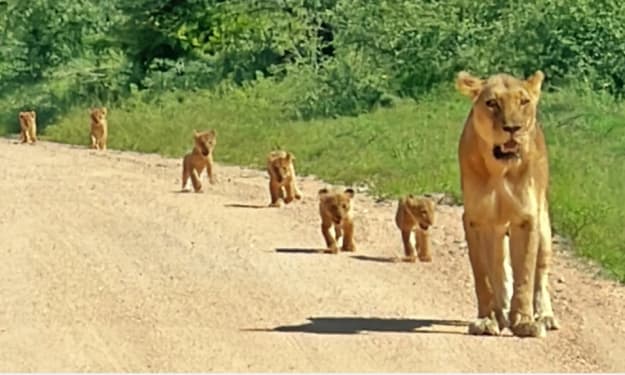
In the heart of the African savannah, life is a constant lesson for young animals. Few scenes are as endearing — or as heartwarming — as tiny lion cubs trying to keep pace with their mother. These little bundles of fur face a world full of challenges, from learning to hunt to avoiding dangers, all while depending on the guidance and protection of their experienced mom. Watching cubs wobble and tumble as they attempt to keep up with their mother reminds us that growing up, even in the wild, is a journey full of struggle, determination, and adorable missteps. The Early Days of Lion Cubs Lion cubs are born blind and helpless, usually in litters of two to six. For the first few weeks, they rely entirely on their mother for warmth, food, and safety. Even after opening their eyes and beginning to explore, the cubs are far from independent. The first months are crucial. Cubs learn social cues, hunting basics, and survival skills simply by watching their mother and the pride. But as anyone who has observed them knows, there’s often a huge gap between observation and action. Tiny cubs often struggle to match their mother’s pace, especially when she moves through long stretches of savannah or leads the family on patrols. A Mother’s Role in the Wild For a lioness, raising cubs is a full-time commitment. She hunts, defends her territory, and teaches her young, all while staying alert to predators such as hyenas, leopards, and even rival lions. The cubs, meanwhile, attempt to mimic her every move — often with clumsy yet charming results. A mother lion’s patience is remarkable; she frequently slows down, nudges them along, or stops to ensure no cub is left behind. These moments, while stressful for the tiny cubs, are vital learning opportunities. Struggling to Keep Up: Why It’s So Hard There are several reasons why tiny lion cubs have trouble keeping pace with their mother: Short Legs, Big Steps: Lion cubs’ legs are tiny and their coordination is limited, making it difficult to cover the same distance as an adult lioness. Curiosity: Cubs are naturally curious. A single butterfly or rustling bush can distract them, leaving mom to pause repeatedly. Energy Levels: Young lions tire quickly. Even with frequent naps, the cubs’ stamina is far lower than their mother’s. Learning Through Play: Play is not just fun; it teaches hunting, balance, and social skills. Running off to pounce on a sibling or chase an insect is all part of their education. Despite these challenges, the cubs’ determination to keep up demonstrates their resilience and growing understanding of the wild world. Lessons in Teamwork and Survival Every cub struggling to keep up is also learning crucial survival skills. The journey across the savannah is more than a test of speed — it’s a lesson in: Coordination: Cubs learn how to move efficiently across different terrains. Patience: They begin to understand the rhythms of adult life and the pace required for survival. Social Skills: Staying with the group teaches cubs how to interact with siblings and the pride, which is essential for their future roles. Observation: By following their mother, cubs study hunting techniques, territorial behavior, and predator awareness. Even the moments when cubs stumble or lag behind are essential for their development. These experiences prepare them for independence, which comes sooner than many might expect. The Cutest Moments in the Wild Anyone who has watched tiny lion cubs knows that their struggles are often irresistibly cute. Video clips from wildlife reserves frequently show cubs toddling along, tumbling over each other, or getting distracted mid-step. Observers often comment that these little stumbles reveal personality, determination, and playfulness, making them one of nature’s most heartwarming spectacles. While their mother is serious and focused, the cubs inject a sense of humor and lightness into life on the savannah. Why This Matters The struggles of lion cubs aren’t just adorable — they’re vital for understanding wildlife behavior. Conservationists and animal behaviorists use these moments to study growth patterns, social structures, and survival strategies in lion populations. These observations also highlight the importance of preserving natural habitats. Cubs must learn in a safe environment to survive; habitat loss, poaching, and climate change make these early struggles even more dangerous. Protecting the African savannah ensures that future generations of lions can experience the same lessons and playful tumbles. The Road to Independence Within a year, these tiny cubs will be more agile, faster, and more confident. By the time they reach two to three years old, males may begin to leave the pride, while females often stay and become caretakers themselves. Every misstep, tumble, and lagging moment is part of the journey toward strength, coordination, and independence. Watching them now gives us a glimpse of the challenges they will overcome, and the survival skills they will carry for life. A Celebration of Motherhood Ultimately, these scenes remind us of the incredible bond between mother and cubs. Her patience, vigilance, and teaching are the foundations of their future. The cubs’ struggles highlight the trials of growing up, while their determination showcases the resilience and beauty of wildlife. For those observing, it’s a powerful lesson in care, guidance, and perseverance, not just in lions but in the natural world as a whole. Final Thoughts Watching tiny lion cubs try to keep up with their mother is both entertaining and enlightening. It’s a story of growth, struggle, and resilience — a reminder that even the fiercest creatures start small, learning step by step. These little lions capture hearts while teaching life lessons: patience, determination, teamwork, and the importance of guidance. As they tumble and waddle across the savannah, they show us that growth is a process, one adorable misstep at a time. For wildlife enthusiasts, animal lovers, and anyone enchanted by nature, these tiny cubs are proof that even in the wild, love, care, and persistence are universal truths.
By Aarif Lashariabout 24 hours ago in Earth



Comments
There are no comments for this story
Be the first to respond and start the conversation.