
The Alien Ancestry Theory
Unveiling History's Tapestry: A Journey through Monumental Events
Exploring History and the Monumental Events That Shaped Our World
In the realm of understanding history and its impact on our world, it is common to appreciate and accept the interpretations of great writers, scholars, and archaeologists as factual. Crucial moments such as the world wars and significant individuals or incidents that altered the course of history are often portrayed in similar ways, depending on the context or educational setting. This premise poses no issue when studying the past to learn from it as we progress towards the future.
However, with the rise of the internet, social media, and recent attempts to rewrite historical events for specific causes or arguments, there is a risk of unlearning, misconstruing, or even forgetting such information. We now have an endless flow of facts, stories, and knowledge at our fingertips, requiring us to tread carefully when attempting to understand our origins and the path we are taking as a species.
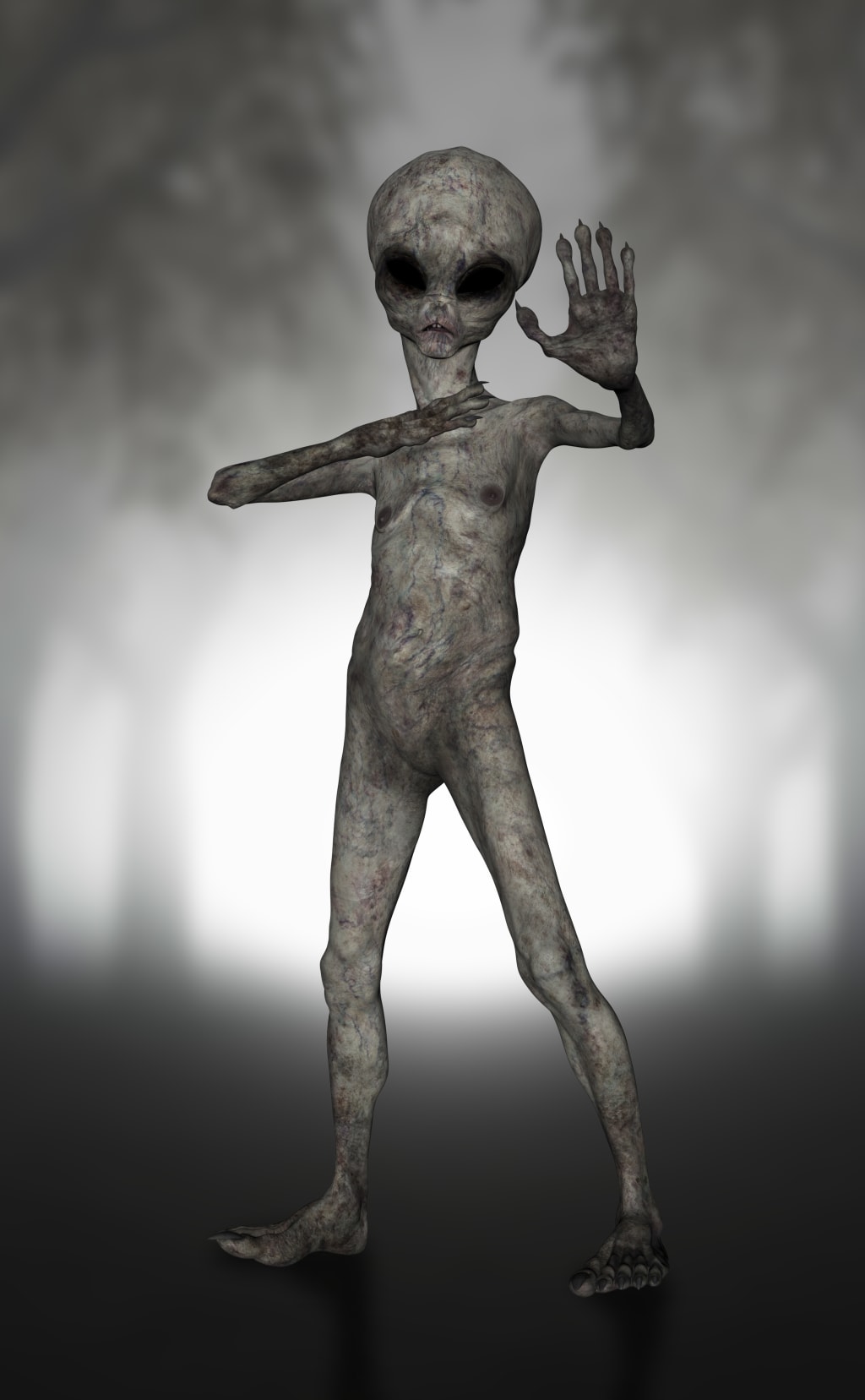
Here, we will dive into the ongoing theory that suggests human beings did not originate and evolve on Earth but were actually created by an alien race that migrated thousands of years ago. Could it be possible that extraterrestrial civilizations played a role in our creation? If so, where did we come from, and how does this alter our outlook and understanding of history? Let's explore the fascinating possibility that we may, in fact, be the aliens.
As always, sit back, enjoy, and let's take a step back from this audacious claim to ascertain its origins, initial traction, and the evidence it garnered before capturing the attention of mainstream media and scientific journals.
One of the proponents of the ancient alien hypothesis is renowned astrophysicist Carl Sagan, who, in 1966, co-authored the book "Intelligent Life in the Universe" with Joseph Chokovsky. Sagan, known for his controversial comments and theoretical lectures, speculated on the possibility of direct contact with extraterrestrial civilizations, including stories and representations found in ancient civilizations like the Sumerians.
The Sumerians, the earliest recognized civilization in history, honored gods known as the Anunnaki. Sagan explored legends like the Owens Legend, which originated from the Sumerian civilization, and other similar representations of alien-like entities that may have interacted with and influenced the Sumerians.
Another prominent figure in the ancient alien hypothesis is Zakaria Sitchin. With extensive research and knowledge in ancient history and languages, Sitchin proposed a theory of ancient astronauts, particularly the Anunnaki, a god-like breed of alien beings from the planet Nibiru. His books, such as the "Earth Chronicles," gained immense popularity and a devoted following.
Graham Hancock is another writer who has delved into ancient civilizations and lost lands, challenging conventional historical records. His speculation about an advanced Ice Age civilization destroyed by a major catastrophe, with survivors passing on their knowledge to early civilizations, has drawn both fame and criticism.
While these theories have garnered significant attention, they have also faced skepticism and criticism from leading scientists and historians. Many argue that the evidence and interpretations presented are either mistranslated or ignore existing historical academia.
Despite the controversy, the study of ancient civilizations and their narratives, including those involving ancient aliens, continues to intrigue researchers. Excavations of ancient tablets, such as the star maps of the Sumerians, provide intriguing insights into their astronomical knowledge. Additionally, the discovery of ancient ruins and the ongoing exploration of lost cities add to the discourse surrounding our place in the cosmos.
In a world where history is constantly rewritten, misunderstood, and even disbelieved, the possibility that our ancient ancestors may have arrived from another planet and created us for their own purposes is not entirely outside the realm of possibility. As we make progress in technology and archaeological discoveries, we may uncover more about ourselves and ou
About the Creator
twovibe
Let's talk about our universe.
Workers Recover 15,000 Crabs After Lorry Crashes Into Field
An extraordinary scene unfolded when a lorry carrying an estimated 15,000 live crabs crashed into a field, spilling its cargo across farmland and prompting a large-scale recovery effort. The unusual accident quickly drew attention from local residents, emergency services, and animal welfare groups, as workers scrambled to rescue as many crabs as possible before they succumbed to exposure.
By Aarif Lashari5 days ago in Earth




Comments
There are no comments for this story
Be the first to respond and start the conversation.