Sustainability
Creating a Beautiful and Thriving Garden
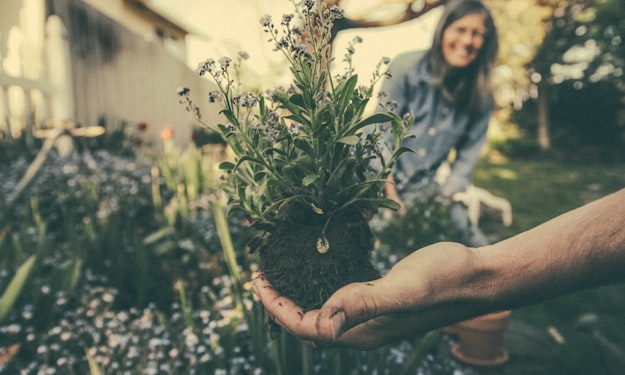
Introduction Gardening is more than just a hobby; it’s a rewarding art form and a science that brings us closer to nature. Whether you have a small balcony garden or acres of land, understanding the intricacies of soil, climate, and plant care is essential to nurturing a flourishing garden. In this comprehensive guide, we will explore various aspects of gardening, from the type of soil required for different plants to the art of composting and protecting your garden from extreme weather conditions. Let’s dive in! 1. What Type of Soil is Required for Which Kind of Plant? The foundation of a successful garden lies in the soil. Different plants have distinct soil requirements. Understanding these requirements is crucial for plant health and growth. Here’s a breakdown of soil types for various plants: A. Flowers: Most flowering plants thrive in well-draining, loamy soil. Roses prefer slightly acidic soil, while marigolds and zinnias do well in slightly alkaline soil. b. Vegetables: Vegetable gardens benefit from nutrient-rich, well-draining soil. Add compost or organic matter to improve fertility. c. Shrubs and Bushes: Shrubs and bushes often prefer loamy soil with good drainage. Native species may have specific soil preferences. d. Creepers and Climbers: Creeping plants like groundcovers need loose, well-draining soil. Climbers like clematis and jasmine enjoy slightly alkaline soil. e. Trees: Trees have diverse soil requirements. Research specific tree species to determine their ideal soil type. 2. Distinguishing Soil and Fertilizer Patterns To ensure your plants thrive, it’s essential to understand the difference between soil and fertilizer needs. Soil provides a foundation, while fertilizers supplement nutrients. Here are some guidelines: A. Flowers: Most flowering plants benefit from a balanced, slow-release fertilizer. Use a formula with equal parts nitrogen (N), phosphorus (P), and potassium (K). b. Vegetables: Choose a fertilizer rich in nitrogen for leafy vegetables, and one with more phosphorus and potassium for root crops. c. Shrubs and Bushes: Established shrubs may need less frequent fertilization. Use a balanced fertilizer or one tailored to specific plant needs. D. Creepers and Climbers: Like flowering plants, these benefit from balanced fertilizers. Apply during the growing season for best results. e. Trees: Newly planted trees benefit from slow-release, low-nitrogen fertilizers. Mature trees often require less frequent fertilization. 3. When to Prune the Plants? Pruning is a vital aspect of garden maintenance. It helps shape plants, control growth, and promote healthy development. The timing of pruning varies by plant type: A. Spring Pruning: Many flowering shrubs and fruit trees are pruned in late winter or early spring before new growth begins. b. Summer Pruning: Prune summer-flowering shrubs right after they bloom to encourage more flowering. c. Fall Pruning: Fall is an excellent time to prune some trees and deciduous shrubs when they enter dormancy. D. Year-Round Pruning: Regularly remove dead or diseased branches and spent flowers throughout the year to maintain plant health. 4. Which Climate is Suitable for Which Plant? Climate plays a significant role in plant selection. Understanding your local climate zone and the specific needs of your plants is essential: a. Cold Climate: Choose cold-hardy plants like conifers, hollies, and winter berry eas with harsh winters. b. Hot Climate: Opt for heat-tolerant plants such as succulents, cacti, and drought-resistant perennials in regions with scorching summers. c. Moderate Climate: Most plants thrive in moderate climates. Research native species for the best results. D. Humid Climate: Select plants that can handle excess moisture and consider raised beds or well-draining soil. 5. How to Make Compost? Composting is a sustainable way to improve soil fertility and reduce waste. Follow these steps to create nutrient-rich compost: a. Start with a bin or pile in a well-ventilated area. b. Add a mixture of green (nitrogen-rich) and brown (carbon-rich) materials, including kitchen scraps, leaves, and yard waste. c. Turn the compost regularly to aerate it and speed up decomposition. d. Avoid adding diseased or pest-infested plants to your compost. e. In a few months to a year, your compost will be ready to enrich your garden soil. 6. Protecting Your Plants from Extreme Weather Gardening often means dealing with unpredictable weather conditions. Here’s how to safeguard your plants: a. Harsh Winters: Use mulch to insulate plant roots, wrap delicate plants in burlap, and choose cold-hardy varieties. b. Harsh Summers: Provide shade, mulch to retain moisture, and water deeply during dry spells. c. Harsh Rains: Ensure proper drainage to prevent waterlogged soil and root rot. 7. When to Cut Deadheads? Deadheading, the removal of spent flowers, encourages new blooms and keeps plants looking tidy. The timing varies by plant: a. Continuous Bloomers: Deadhead throughout the growing season to encourage continuous flowering. b. Spring Bloomers: Deadhead spring-blooming plants after they finish flowering. c. Fall Bloomers: Deadhead fall-blooming plants in late summer to prolong their blooming period. 8. Controlling Weeds in the Garden Weeds can compete with your plants for nutrients and space. Here are ways to keep them in check: a. Mulch: Apply a thick layer of mulch to suppress weeds and retain moisture. b. Hand Weeding: Regularly inspect and remove weeds by hand, especially when they are young. c. Herbicides: Use herbicides sparingly and only as a last resort, following manufacturer instructions. D. Landscape Fabric: Consider using landscape fabric to block weed growth in specific areas. 9. When to Water the Garden? How Much Water is Needed? Proper watering is crucial for plant health. Follow these guidelines: a. Morning Watering: Water in the morning to reduce the risk of fungal diseases. b. Deep Watering: Water deeply to encourage deep root growth. A few inches of water per week is usually sufficient. c. Soil Moisture: Use a moisture meter or your finger to check soil moisture before watering. Only water when the top inch or two is dry. D. Drip Irrigation: Consider installing drip irrigation systems for efficient and targeted watering. Conclusion Gardening is a fulfilling and lifelong journey filled with learning and discovery. By understanding soil and fertilizer needs, proper pruning, and how to protect your plants from extreme weather conditions, you can create a thriving garden. Remember that gardening is also about patience and adapting to the needs of your unique garden. With dedication and care, you can transform your outdoor space into a vibrant oasis of beauty and life. Happy gardening!
By Arinze Emmanuel 2 years ago in Earth
The Emotional Impact of Plastic Pollution and Overfishing on Marine Life. Content Warning.
In a small coastal village nestled between the rolling hills and the azure sea, there lived a fisherman named Luca. For generations, his family had cast their nets into the ocean's embrace, relying on its bounty to sustain their simple lives. The saltwater flowed through their veins like a legacy, a connection to the rhythm of the tides and the songs of the sea.
By MriduL HassaN2 years ago in Earth
"The Solar Symphony: A Hopeful Overture for the Earth"
In a small, sun-soaked village nestled amidst rolling hills, a transformation was underway. It was a transformation not only of the landscape but also of the hearts and minds of the people who called this place home. This was the story of how a community, inspired by the power of renewable energy, came together to create a brighter, sustainable future.
By Hardik Sahu2 years ago in Earth
The Interwoven Tale of Oil, Climate Change, and Development
Introduction In 1856, scientist Eunice Foote conducted a groundbreaking experiment that set in motion a chain of events that would shape the world as we know it today. Foote's experiment, which compared the warming effects of regular air and carbon dioxide, laid the foundation for our understanding of the greenhouse effect. Over a century later, the world celebrated the centennial of the American oil industry, a milestone marked with a sobering speech by physicist Edward Teller. He warned that burning fossil fuels and emitting extra carbon dioxide could trigger a catastrophic greenhouse effect, potentially submerging cities like New York.
By Vivian Yao2 years ago in Earth
Inheritors of Earth
In a not-so-distant future, our world was unrecognizable. The once-thriving ecosystems had been ravaged, and the planet's future hung in the balance. Humanity had reached a tipping point, teetering on the edge of environmental disaster. But this is not a tale of despair; it's a story of hope, responsibility, and the inheritors of Earth.
By Ubong Anthony 2 years ago in Earth
Effects of Climate Change
Climate change refers to long-term alterations in temperature, weather patterns, and overall climate conditions on Earth. It is primarily driven by human activities, particularly the burning of fossil fuels, deforestation, and industrial processes. The effects of climate change are multifaceted and have far-reaching consequences for the planet and its inhabitants. Here are some of the prominent effects of climate change:
By Hifaz Faiz2 years ago in Earth
Hope and Solutions On Climate Change
In a world increasingly defined by climate uncertainty, the town of Willowbrook stood as a beacon of hope. Nestled deep in the Appalachian Mountains, it was a place where resilience, community, and a deep connection to the land were woven into the very fabric of life.
By Gift Emmanuel2 years ago in Earth
Water Walkers. Top Story - September 2023.
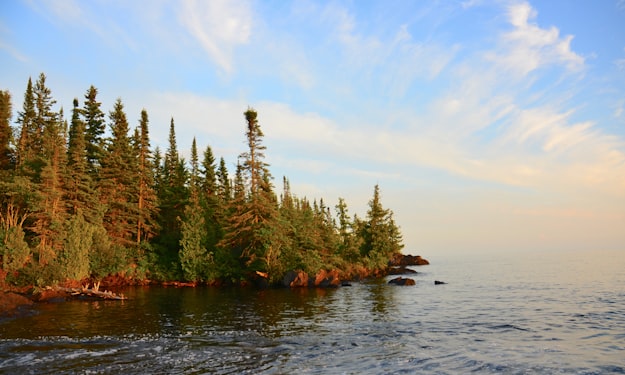
Lake Superior is a big lake. Some say it is an inland Sea. My Anishinabe people call it Gitchigama or the Great Sea. Lake Superior is a very large body of water that some people consider to be an inland sea. It is the largest freshwater lake in the world by surface area and the third-largest by volume, holding 10% of the world’s surface fresh water. It has a coastline of nearly 10,000 miles and spans across the border between Canada and the United States1. It is also home to many fish species, islands, and shipwrecks23. The name Lake Superior comes from the French term le lac supérieur, meaning the upper lake, because it is above Lake Huron4. However, the Ojibwe people who live around the lake call it gichi-gami, meaning great sea4. This name reflects the lake’s immense size and power, as well as its cultural and spiritual significance for the Ojibwe people. Quote from Microsoft Bing
By Denise E Lindquist2 years ago in Earth
The Struggle for the American Dream
In the heart of a small industrial town, John Thompson, a hardworking man in his late forties, stood in front of his modest home, pondering the American dream. As a lifelong Republican, he had always believed in the power of personal responsibility and limited government intervention. But in recent years, the emotional impact of economic policies on people like him had left John wrestling with deep anxieties.
By Joseph Mutava2 years ago in Earth