Sustainability
From Cassette Tapes to Crypto: How Art Evolved in the Digital Age. AI-Generated.
From Grunge to Glitches: A Wild Ride Through Art's Evolution (1990s-2024) Remember the days of dial-up internet, chunky cellphones, and the infectious optimism of a new millennium? That's the backdrop for the art scene of the 1990s – a decade bursting with bold colors, the grunge aesthetic, and the rise of digital manipulation. Think back to Edvard Munch's iconic "Scream" plastered on everything from t-shirts to lunchboxes – that was peak 90s, when pop culture heavily influenced artistic expression.
By Vishnu venugopal about a year ago in Earth
An Introduction To The Dingo. AI-Generated.
You might have heard the phrase “everything in Australia is out to kill you,” and while that might be a slight exaggeration, it does have a grain of truth to it. In this land of deadly spiders, venomous snakes, and boxing kangaroos, there exists a creature that, while not as overtly terrifying, can still make you rethink your stance on “man’s best friend.” I’m talking about the dingo—Australia’s wild dog. So, what exactly is a dingo, and just how dangerous are these cunning canines? Let’s dive into the world of dingos with a sprinkle of humor, of course. What on Earth is a Dingo? Picture a dog. Now, make it a little more wolf-like. Add a dash of cunning, a sprinkle of mischief, and place it smack in the middle of the Australian outback. Voila! You have yourself a dingo. Dingos (Canis lupus dingo) are wild dogs native to Australia. They’ve been trotting around the continent for about 4,000 years, which means they’ve had plenty of time to master the art of survival in the wild. Dingos are medium-sized canines, typically weighing between 13 to 20 kg (29 to 44 lbs), with a lean build and a somewhat feral appearance. They have a short, reddish or sandy coat, pointy ears, and a bushy tail that looks like it’s perpetually engaged in a game of “who can stand the tallest?” They’re often mistaken for domestic dogs that decided to ditch the collar and embrace their wild side. Danger? Ding-ding-dingo! Alright, let’s address the burning question: are dingos dangerous? The short answer is—potentially, yes. But let’s not start clutching our pearls just yet. Dingos are opportunistic hunters, and their diet primarily consists of small mammals, birds, and reptiles. While they’re not out to turn humans into their next meal, there have been instances where dingos have attacked people. These encounters, however, are relatively rare and often involve dingos that have become habituated to humans—mostly due to tourists who think it’s a great idea to treat wild animals like fluffy pets. Spoiler alert: it’s not. Feeding dingos or encouraging them to approach humans can lead to aggressive behavior and potential attacks, as they lose their natural fear of people and start associating us with food. Think of it as the canine version of your friend who always shows up when you have snacks. The Dingo’s Role in Ecosystem Despite their potential danger, dingos play a crucial role in the Australian ecosystem. As apex predators, they help control populations of smaller animals, like rabbits, kangaroos, and feral cats. This, in turn, helps maintain a balance in the food chain and protects vegetation from being overgrazed. Essentially, dingos are like the bouncers of the outback, making sure everyone’s behaving and not overindulging at nature’s buffet. Dingo Vs. Domestic Dog One might wonder, “Can’t we just domesticate these wild dogs?” Well, it’s not quite that simple. Dingos are fiercely independent and have retained much of their wild instincts. Unlike domestic dogs that have been selectively bred for specific traits, dingos have survived based on their ability to hunt, scavenge, and thrive in harsh environments. Trying to turn a dingo into a house pet would be like inviting a wolf to live with you and expecting it to fetch your slippers—impractical and potentially hazardous. Comedy of Errors: Tourist Edition Let’s sprinkle a bit of humor into this wild dingo tale. Picture this: you’re an unsuspecting tourist, fresh off the plane, ready to experience the wonders of Australia. You’ve got your sunscreen, your wide-brimmed hat, and a naïvety about wildlife that’s almost endearing. You spot a dingo in the distance and think, “Wow, what a cute dog!” You approach it, cooing and clicking like you’re at a petting zoo. The dingo, sensing an easy meal ticket, trots over. You’re about to give it a piece of your sandwich when a local swoops in, yelling, “Are you mad?! That’s a wild dingo!” In your defense, dingos do have that charming dog-like appearance. But remember, while they might look like Fido, they’re more like feral Fred—cute from a distance but better left unapproached. Co-existing with Dingos For those living or traveling in dingo-populated areas, co-existing with these wild canines involves a bit of common sense and respect for their wild nature. Here are some tips: 1. Don’t feed dingos: Feeding them encourages them to approach humans and can lead to aggressive behavior. 2. Secure your food and rubbish: Dingos are expert scavengers and will rifle through anything that smells remotely edible. 3. Keep a safe distance: Admire dingos from afar, preferably with a good camera lens. 4. Stay informed: Learn about the areas where dingos are common and follow local guidelines and advisories. In Conclusion So, how dangerous are Australian dingos? They’re not the cuddliest of canines, but they’re not out to get you either—unless you happen to be a small mammal or you’ve tempted fate by feeding them. Dingos are fascinating creatures that play an essential role in their ecosystem, and while they should be respected for their wild nature, they don’t need to be feared excessively. Remember, in the grand Australian wildlife danger spectrum, they’re somewhere between a mildly miffed kangaroo and a crocodile having a bad day. Treat them with the respect they deserve, and you’ll have a memorable (and safe) Aussie adventure. Relevant Resources - [Australian Government: Dingo (Canis lupus dingo)](https://www.environment.gov.au/biodiversity/threatened/species/dingos) - [National Geographic: Dingo Facts](https://www.nationalgeographic.com/animals/mammals/facts/dingo) - [BBC Earth: The Truth About Australia’s Dingoes](https://www.bbcearth.com/blog/?article=the-truth-about-australias-dingoes)
By Vishnu venugopal about a year ago in Earth
New Year's Aurora Treat: . AI-Generated.
New Year's Aurora Treat: Witnessing the Northern Lights in Canada ✨ As the clock strikes midnight on New Year’s Eve, millions around the world celebrate with champagne toasts, fireworks, and resolutions. But in Canada, a more magical celebration is unfolding under the vast night sky—an ethereal dance of the northern lights. 🌌
By Yogesh Shivaji Indalkarabout a year ago in Earth
Overview of Electricity in Sri Lanka
Sri Lanka, a vibrant island nation in South Asia, has seen remarkable advancements in its electricity sector over the past decades. From a largely manual grid system to a modernized infrastructure, the energy sector has become a cornerstone of the country's development. In this article, we explore the current state of Sri Lanka electricity, the pivotal role of Ceylon Electricity Board (CEB), and the significant contributions of LTL Transformers to powering the nation.
By Buddhika Jayanathabout a year ago in Earth
Boxing Day tsunami: here’s what we have learned in the 20 years since the deadliest natural disaster in modern history.
As coastal engineers who specialise in tsunamis and how to prepare for them, we have seen how the events of 2004 reshaped our global disaster management systems. Among the lessons learned since that day, three themes stand out.
By Viona Amindaabout a year ago in Earth
National Parks of India: Conservation Success Stories
India is a state geographically diverse with different and unique ecosystems, the government has established a system of national parks for the protection of wildlife assets. During the years, these protected areas have played important roles to confront the problem of the biological diversity, as well as in the process of rehabilitation of endangered species and preservation of the most vulnerable natural systems. In this article, we focus on some of the most success stories of conservation in India’s national parks.
By Suren Rathoreabout a year ago in Earth
Unpacking Waste: A Call to Action. AI-Generated.
As environmental concerns grow, understanding the implications of packaging waste or "Unpacking Waste" as it is known in the waste management industry, has never been more critical. This article explores the impact of the packaging waste we all generate, whenever we open the goods we buy, and highlights actionable strategies for businesses and individuals alike.
By Steve Lastabout a year ago in Earth
Understanding Texas Weather: Storms and Tornadoes 🌪️☔. AI-Generated.
Texas, known for its vast landscapes and diverse climate, often faces the unpredictable wrath of storms and tornadoes. These natural events shape the geography and the lives of its residents. Let’s dive into the causes, impacts, and safety measures to better understand Texas’ tumultuous weather.
By Yogesh Shivaji Indalkarabout a year ago in Earth
Laysan Albatross: The Oldest Known Wild Bird and Its Inspiring Story
Introduction The Laysan Albatross (Phoebastria immutabilis) is a remarkable seabird that graces the northern Pacific Ocean. Known for their incredible flight capabilities and commitment to their mates, these birds are icons of the natural world. Among them stands a legend—Wisdom, a 74-year-old Laysan Albatross, which recently made headlines by laying her 60th egg at Midway Atoll. This feat is not just a testament to her longevity but also a window into the marvels of the natural world.
By Deepak Kumarabout a year ago in Earth
Only Feminism Can Prevent Global Warming
Global warming is one of the most serious challenges of our time, threatening ecological, economic, and human lives on an international scale. The planet is already feeling the effects of climate change, including rising temperatures, melting ice sheets, melting cyclones, floods and droughts Tackling international warming requires addressing its root causes, which can be forced to address the larger in social policy and practice. Feminism offers a unique perspective and variation on multiple approaches to climate marketing resistance. Feminism, as a movement that advocates for gender equality and empowerment, plays a central role in shaping the policy issues that undergird environmental degradation and addressing climate change.
By Muhammad Javed Arifabout a year ago in Earth
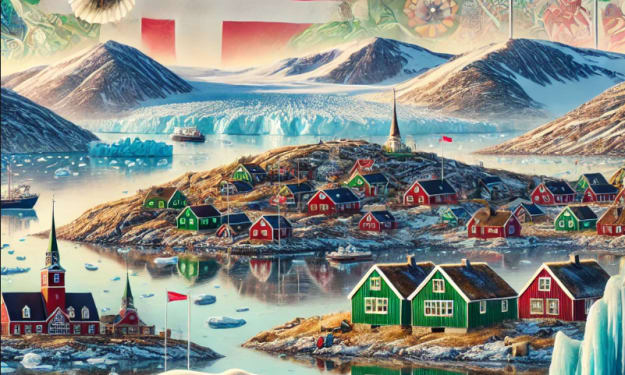
Who Owns Greenland? . AI-Generated.
Who Owns Greenland? Greenland, the world’s largest island, is a fascinating territory often associated with its vast ice sheets, unique Arctic wildlife, and strategic geopolitical location. While it’s commonly thought of as an independent region, the ownership and governance of Greenland involve a complex relationship with Denmark and its indigenous Inuit population. This article delves into the historical, political, and cultural aspects of Greenland’s ownership and explores its global significance.
By Yogesh Shivaji Indalkarabout a year ago in Earth