Science
The density of neutron stars
Neutron stars are extremely dense planets in the universe. Even according to the most conservative estimates, the density of neutron stars can be as high as 100 trillion tons per cubic meter, which, it must be said, is unimaginable, so why do neutron stars exist at such high densities? Let's take a look at how empty the atoms are.
By Robert Jack4 years ago in Earth
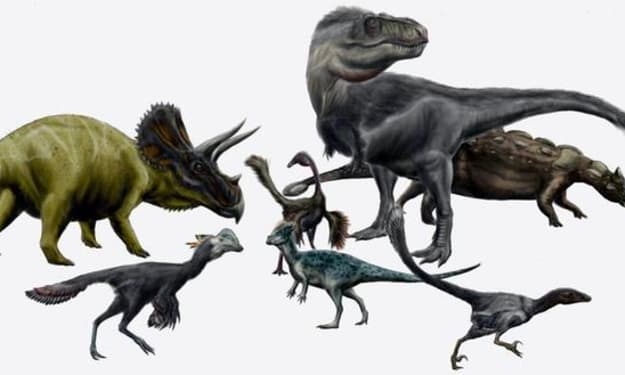
Why dinosaurs are not all extinct
I believe that we are not unfamiliar with dinosaurs, after all, they were once the dominant generation on Earth, we usually think that dinosaurs are ancient creature that has long been extinct, and in modern times there are no more dinosaurs alive on Earth.
By Robert Jack4 years ago in Earth
How the first person appeared
Humans are the new generation of "Earth domination" after the dinosaurs, but the two emerged 58 million years apart, which is a long process, during which a lot of stories must have happened, so after the extinction of the dinosaurs, the Earth and what has experienced? And how did humans emerge?
By Karen Gillanah4 years ago in Earth
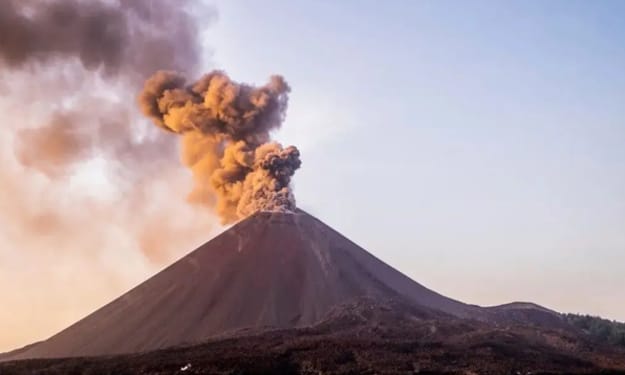
Fuji, Japan
As the largest volcano in Japan, Mount Fuji has successfully become one of the iconic business cards of Japan with its "superb beauty". Although it is a volcano, the top of Mount Fuji is covered with snow all year round, and from a distance, it looks like a dignified "Snow Queen".
By Karen Gillanah4 years ago in Earth
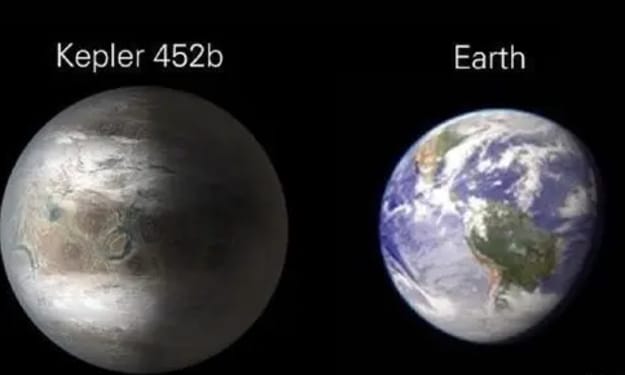
Earth's "twin brother"
Even though there are many celestial bodies in the universe, there are only a few like Earth that can nurture life. The resources on Earth are limited, and it will one day reach the limit of the life it can carry. The search for a second home has become a special mission, not just for one person, but a challenge for all mankind.
By Karen Gillanah4 years ago in Earth
If the sun suddenly disappears
What would happen to the Earth if the sun suddenly disappeared? The answer is, of course, the Earth will undergo great changes, but at the moment of the disappearance of the sun, the Earth will not immediately change, because the speed of propagation of the sun's light and gravity is the speed of light, about 300,000 kilometers per second, and the average distance between the Earth and the sun is about 150 million kilometers, so in about 500 seconds, the Earth's great changes will begin, and from then on the prelude to the difficult survival of mankind.
By Robert Jack4 years ago in Earth