Nature
Tropical Natural Moment
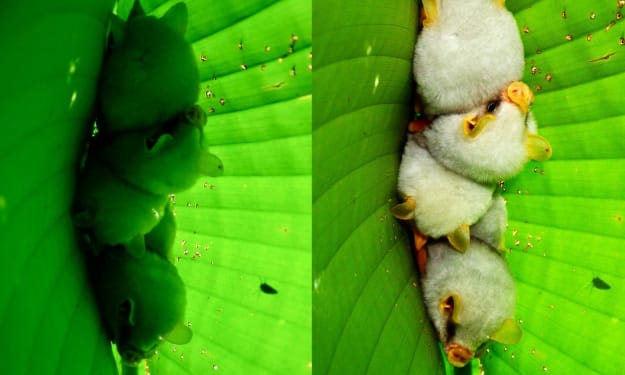
I walked down the trail deeper and deeper into the rainforest, sunlight filtering through the dense canopy creating a kaleidoscope of light spots and shadows. I knew this rainforest well, having worked as a researcher there for over half a decade. This tangled jungle never stopped surprising me. I walked this trail probably a thousand times since I first arrived at the research station, and every time, without exception, I saw something I had never seen before. An insect, a plant, an interaction between an animal and its prey or host plant. The stories have been endless, and the fascination is ever-growing. I walked off the muddy trail into the forest, only a few dozen steps, following a hunch. I had seen a patch of Heliconia plants a few days ago, their broad leaves looking like small versions of banana leaves. One of the leaves on one plant was collapsed, its central vein damaged by a creature that every visitor to the rainforest longs to see. Today, I approached silently, slowly so as not to disturb the treasure hidden by the folded leaf.
By Carlos L. de la Rosa5 years ago in Earth
The Trip
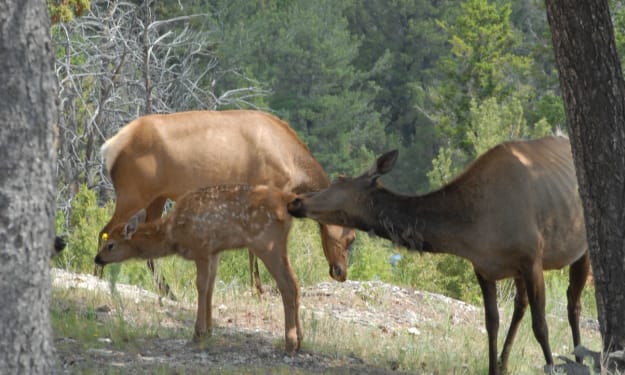
I couldn't wait to go. I was equal measure nerves and excitement, and not too far that the little kid who was back in Montana when she was 11.... that was in 1979, what! Now it was 2008, I was a photographer and a producer working in NYC, yet of course, not photographing or working in any environment anything like I had ever seen in Montana when I was a kid. It was a long time coming. Over twenty-five years.
By Lisa Carville5 years ago in Earth
BIRDWATCHING FOREVER
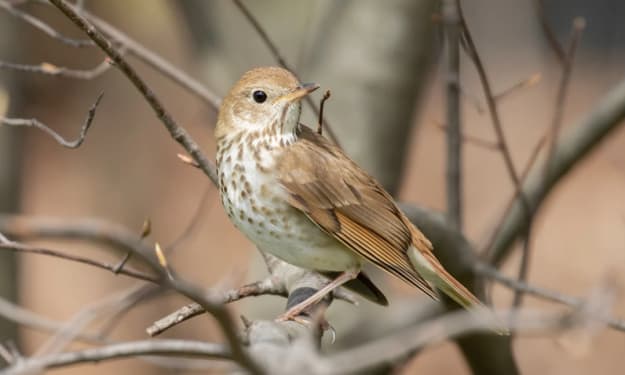
You’re probably spending a lot more time at home than you’re used to, doing your part to follow social distancing rules and slow the ongoing spread of covid-19. But only humans need to follow these rules—birds don’t. It’s the perfect time to start paying attention to them.
By Dandelionclub5 years ago in Earth
BEEKEEPING FOREVER
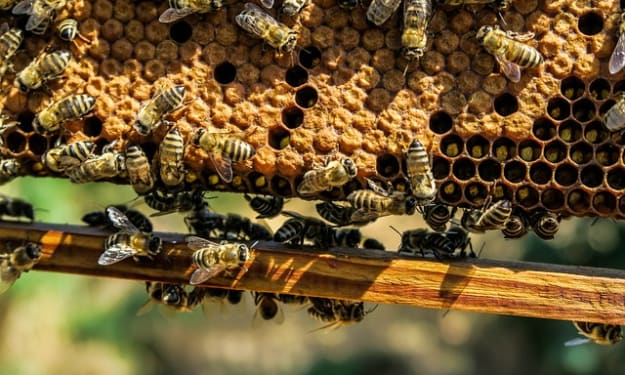
What exactly is beekeeping? Beekeeping, also referred to as Apiculture, is the maintenance of beehives by humans. The individual who maintains the beehives and gathers the Bee products or sells the bees to another individual is known as the Beekeeper. Bees are kept in a place known as the Beehive or an apiary. Beekeeping also consists of producing crossbreeds, protecting bees from illnesses, along with honey manufacturing.
By Dandelionclub5 years ago in Earth
For I Can't Help "Pollen" in Love with You!
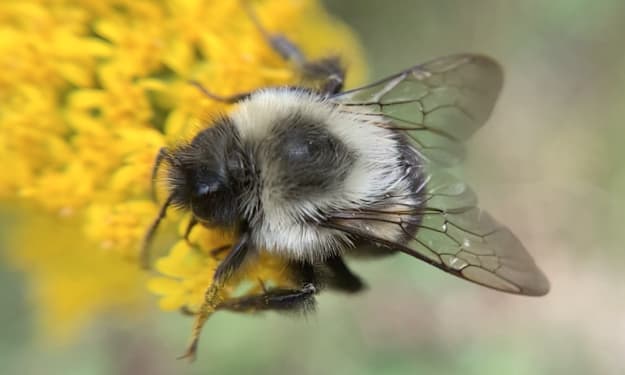
My love for photography can best be described by the quote, “Photos are a return ticket to a moment otherwise gone.” When I see this photo, I am transported back to the forest, hiking with my dad staring in awe of the tall trees and smelling the morning dew on the grass. It is also the first photo I have ever taken of a bee, and it certainly won’t be the last!
By Katlyn Campbell5 years ago in Earth
The Cicada Killer's Story
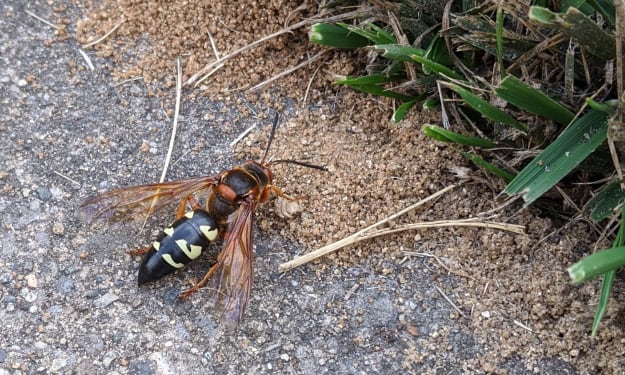
I wonder what it feels like to be a cicada killer.... Lions are feared, yet we love and respect them. Mama bears are admired even though we are afraid of them and (hopefully) stay far away if we meet one while hiking in the woods. But the female cicada killer, perhaps the most awe-inspiring huntress on the planet, is also perhaps the most hated, misunderstood, and feared. She has a story, she has a valuable and essential role to play especially in this cicada-infested year, and she deserves a little more honor and respect.
By TheaMarie Burns5 years ago in Earth
Spooked
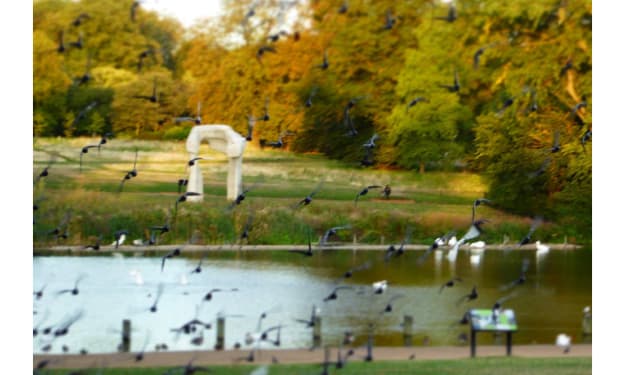
An evening walk in London as the sun was setting over Hyde Park on September 14, 2018. I remember this day so vividly as this was my last night in London after having lived here for a year. I came to London for my master’s degree and after one year of memories and one of the best years of my life it has come to an end. My flight was leaving early the next morning back to Phoenix, but I wanted one last stroll through one of my favorite London parks, Hyde Park in central London.
By Katlyn Campbell5 years ago in Earth
Why Did the Elephants Die?
Elephants: Then there were three By Carolyn F. Chryst, Ph.D. A million years ago, give or take, giant beasts standing 10–12 feet tall with shaggy hair and massive curved tusks lumbered about what is now the North America Great Plains. Scientists have determined that there were two types of mammoths roaming North America, the Columbian and the Woolly Mammoths. This animal of the family Mammuthus — commonly called mammoths — was a close relative of the modern elephant.
By Carolyn F. Chryst5 years ago in Earth
My life with wildlife
It is a tradition with my family to go camping at least once every year. From grandparents, aunts, uncles and cousins to parents and sibling all together for a week out in nature. From spending time around the campfire and chatting together while eating cooked food. To hiking the beautiful trails and swimming in the creeks/rivers nearby. It helps bring us together as a family and to nature as well.
By ashley Grajeda5 years ago in Earth