Advocacy
Children and the Future
In a small coastal town named Havenbrook, where generations had lived off the sea and reveled in its beauty, a group of children faced a world profoundly different from the one their parents knew. The winds whispered of change, and the ocean's lapping waves no longer held the same comforting tales of old. These children, Lucy, Milo, Sofia, and Eli, grappled with their own hopes and fears as they navigated a future shaped by climate change.
By sualisu nurudeen2 years ago in Earth
A Race Against Time
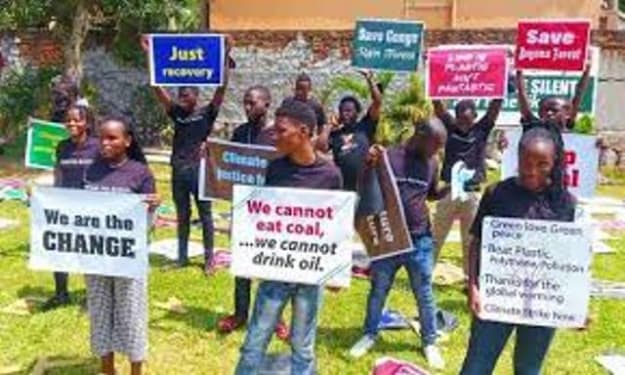
In the quiet heart of a bustling city, where concrete towers cast long shadows and the hum of life drowned out the voice of nature, lived a young woman named Maya. With her dark hair and determined eyes, she was an activist who had dedicated her life to one cause: the environment. Her story was one of a race against time, a battle for the planet's survival. Maya had always been drawn to the outdoors. As a child, she would spend hours exploring the nearby woods, her small hands clutching the soil and leaves, her heart connected to the pulse of the earth. But as she grew older, she saw the world changing. The once-thriving forests were dwindling, and the delicate balance of nature was tilting. One chilly morning, Maya sat at her cluttered kitchen table, her fingers tracing the scars on her weathered notebook. Her home was filled with the tools of her trade: protest signs, articles, and photos of endangered animals. Each day, she fought to raise awareness about climate change, to push for change before it was too late. But the urgency of her cause weighed heavily on her heart. The rising temperatures, the disappearing ice caps, the relentless wildfires – it was a constant onslaught of despair. Maya couldn't shake the feeling that time was slipping away, like sand through her fingers. One evening, she attended a climate rally in the heart of the city. As she stood in the crowd, a sea of faces reflecting her own fear and determination, she felt a surge of hope. People from all walks of life had come together, united by the urgency of the climate crisis. The rally was a beautiful cacophony of voices, but it was the speeches that moved her the most. Maya listened to a mother speak about her children's future, a scientist detail the grim data, and a poet's words that danced through the air like a promise of change. Tears welled in her eyes as she realized that she was not alone in this fight. The emotional struggles of the activists were like a silent undercurrent beneath the chants and the signs. Maya saw the weariness in their eyes, the worry etched on their faces. They were sacrificing their time, energy, and often their mental well-being for a future they might never fully enjoy. After the rally, Maya walked through the city streets, her heart heavy. The sight of skyscrapers towering above her made her feel small, but she refused to be defeated. She remembered the wise words of her grandmother, who had always told her that the smallest actions could create the biggest ripples. Maya decided to channel her emotions into a project that would make the urgency of climate action relatable to everyone. She called it "Project Earth's Heart." She enlisted the help of artists, scientists, and activists to create an immersive exhibit that would transport people into the heart of the Earth's struggles. The exhibit featured a life-sized model of a polar bear on a shrinking iceberg, its eyes filled with sadness. Visitors could walk through a simulated rainforest with recorded sounds of chainsaws and animals in distress. They could feel the heat of a room where melting ice sculptures stood as a stark reminder of the disappearing glaciers. As the exhibit opened to the public, Maya watched the reactions of visitors. Some were moved to tears, others were filled with a newfound determination. She knew that she had succeeded in making the urgency of climate action relatable. But the emotional struggles continued. Maya saw her fellow activist’s burn out, their spirits waning in the face of political resistance and corporate indifference. She, too, felt the weight of the world pressing on her shoulders. One day, as she stood on a hill overlooking the city; Maya saw a rainbow stretching across the sky after a heavy rain. It was a reminder that even in the darkest of storms, there could be beauty and hope. She knew that the race against time was far from over, but she also knew that the human spirit was resilient. Maya realized that the only way to keep going was to find strength in the love she felt for the planet. With a renewed sense of purpose, she continued her fight. She knew that the urgency of climate action would always be a daunting challenge, but the hope for a better world would keep her and her fellow activists going, no matter how emotional the struggle. Maya understood that the race against time was a marathon, not a sprint. And as long as there was a breath left in her, she would run it with all her heart.
By Raphael Goc2 years ago in Earth
New Research Indicates Nearly Inevitable Sea Level Rise in the Next Century
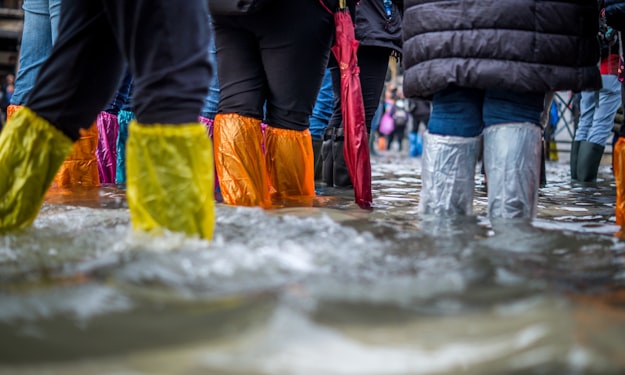
It’s too late to save the West Antarctic ice shelf from melting, according to new research published on October 23, 2023. The study, published by Kaitlin A. Naughten, Paul R. Holland & Jan De Rydt, paints a concerning picture of the next hundred years.
By Olivia L. Dobbs2 years ago in Earth
Exploring the Fascinating World of Rockets: From Ancient Fireworks to Future Space Exploration
Introduction Human imagination has always been captured by rockets, which take us into space and beyond. The history of rockets is a tale of human ingenuity and ambition, from the primitive fireworks of ancient China to the contemporary marvels that send us hurtling into space. This blog article will take you on a historical tour to learn about the development of rockets and their vital role in space travel and scientific research.
By Alexandros kwtsidis2 years ago in Earth
"The Climate Shift.
Quite a long time ago, in a world not so not the same as our own, there existed where the fragile equilibrium of nature's powers held the way to endurance. The land was known as Echova, a lavish and various domain, rich with biological systems of inconceivable excellence and intricacy.
By sheiley kate2 years ago in Earth
THE SILENT WITNESSES
In a world progressively characterized by its natural difficulties, the Intergovernmental Board on Environmental Change (IPCC) remains as a guide of logical understanding, winding around together the mind boggling story of our planet's evolving environment. The reports gave by the IPCC act as quiet observers to the significant movements happening in our biological systems and weather conditions, giving both an unmistakable admonition and a guide for reasonable activity.
By Udeme Mark2 years ago in Earth
Are We Going to Live on the Moon Soon. Content Warning.
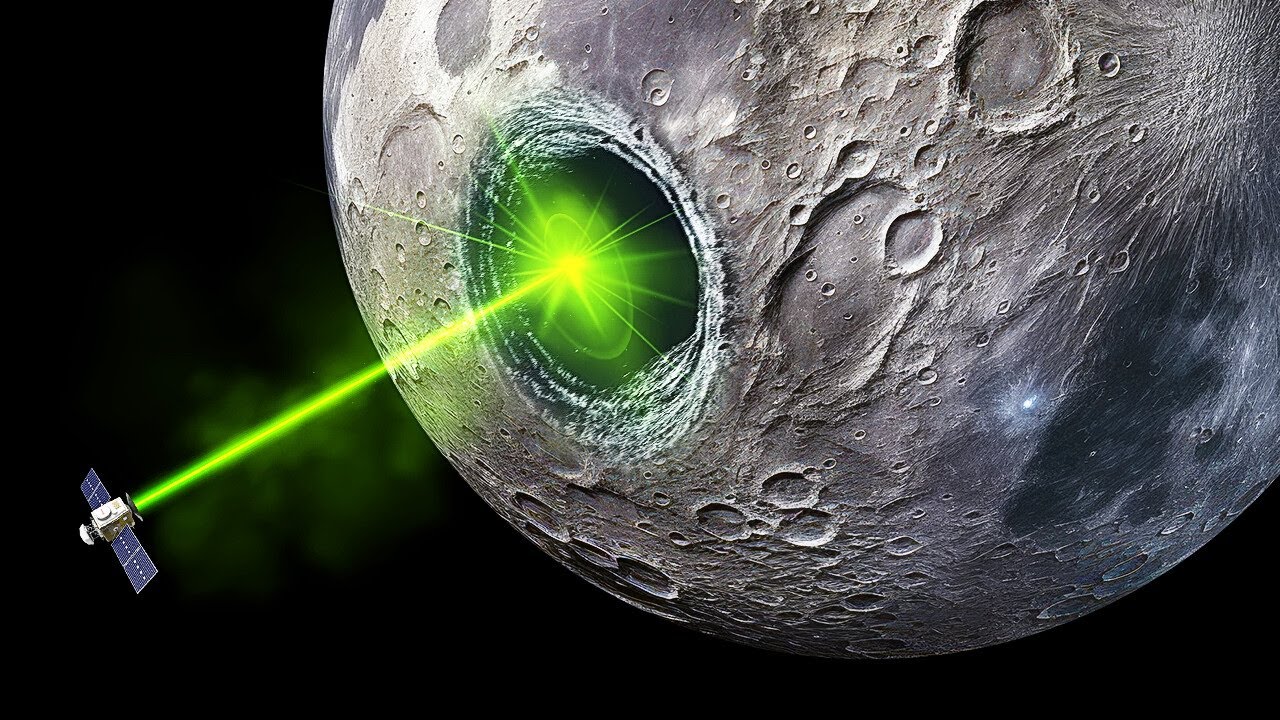
People have not set foot on the moon in several decades, but the situation is soon to change. NASA's Artemis program is planning to send a few missions to Earth's natural satellite. The first astronauts may step on the surface of the moon as early as 2025, as part of Artemis 3, if the current schedule holds. Following this, the next stage will commence, which will be an even more ambitious project than sending humans to the moon again. NASA aims to construct a large base camp at the South Pole of our satellite. This outpost will assist the Artemis mission in surpassing the previous record for the longest stay on the moon, which currently stands at 74 hours, 59 minutes, and 38 seconds. Additionally, the camp will serve as a launching point for missions venturing into deep space. Initially, the camp will be small, accommodating missions for a week or two.
By Faith Kinyanjui2 years ago in Earth
The last dance of the snow leopard. Content Warning.
In the remote valleys of the Himalayas, where the world's highest peaks kiss the heavens and dense forests conceal the secrets of a thousand species, an extraordinary tale unfolds. It is a story of survival and loss, of resilience and fragility, and of a creature whose very existence dances on the edge of extinction. This is the story of the snow leopard, a magnificent and elusive species facing the wrath of climate change.
By Evuka Ozioma 2 years ago in Earth