
SUSTAINABLE LIVING PRACTICES
Building a Greener Future: Practical Steps for Sustainable Living.


Sustainable living is a lifestyle that focuses on reducing one's carbon footprint and promoting environmental health by adopting practices that conserve natural resources, reduce waste, and lower harmful emissions. In the face of climate change, resource depletion, and pollution, sustainable living is more crucial than ever. The goal of sustainable living is to create a balanced life that supports both the planet and its inhabitants for generations to come. This article delves into the key sustainable living practices that individuals can adopt to make a positive impact on the environment.
(I)Reducing Energy Consumption
One of the most significant ways to live sustainably is by reducing energy consumption. Energy production, especially from fossil fuels, contributes significantly to greenhouse gas emissions and environmental degradation. By making small changes at home, individuals can lower their energy use, reduce emissions, and save money in the long term.
Use energy-efficient appliances:- When purchasing new appliances, it is essential to choose energy-efficient models that consume less power and have a lower environmental impact. Look for appliances with high Energy Star ratings, which indicate their efficiency.
Switch to LED lighting:- Traditional incandescent bulbs waste energy in the form of heat. LED bulbs, on the other hand, use less power and have a longer lifespan, making them a more sustainable choice.
Embrace renewable energy sources:- If possible, consider switching to renewable energy sources, such as solar or wind power, for your home. Installing solar panels on your roof or opting for a green energy plan from your utility provider can drastically reduce your household's carbon footprint.
Conserve energy:- Simple habits like turning off lights when not in use, unplugging electronics, and using natural light can significantly cut down on energy use. Additionally, ensuring proper insulation in your home reduces the need for heating and cooling, further decreasing energy consumption.
(II)Waste Reduction and Recycling
Waste reduction is another cornerstone of sustainable living. The amount of waste that ends up in landfills contributes to environmental pollution and the depletion of natural resources. By reducing, reusing, and recycling, we can minimize our waste output and reduce the pressure on the planet’s resources.
Reduce consumption:- A crucial step in waste reduction is being mindful of what we purchase. By buying fewer disposable items and focusing on quality over quantity, we can significantly reduce waste. Opting for products with minimal packaging and choosing items that are durable and reusable helps to limit unnecessary waste.
Recycle properly:- Recycling is a simple yet effective way to keep materials out of landfills. Many materials such as paper, glass, and plastic can be recycled and repurposed. It is essential to follow local recycling guidelines and ensure that recyclables are clean and sorted properly.
Composting:- Composting organic waste, such as food scraps and yard trimmings, is an excellent way to reduce waste and create nutrient-rich soil. Composting reduces landfill methane emissions, enriches the soil, and helps support local food production.
Support zero-waste initiatives:- Zero-waste living advocates for minimizing waste by refusing, reducing, reusing, recycling, and rot (composting). This lifestyle encourages individuals to buy in bulk, avoid single-use plastic, and reduce their overall waste footprint.
(III)Sustainable Food Practices
Our food choices have a significant impact on the environment. Agriculture, particularly factory farming, is one of the largest contributors to greenhouse gas emissions, deforestation, and water depletion. By adopting sustainable food practices, individuals can help reduce their environmental footprint.
Eat more plant-based foods:- Reducing meat consumption, particularly red meat, can significantly lower your environmental impact. Plant-based foods generally require fewer resources to produce and have a much smaller carbon footprint compared to animal products.
Choose local and seasonal produce:- Opting for locally grown, seasonal foods supports local farmers and reduces the carbon emissions associated with food transportation. Seasonal foods are often fresher and more nutritious, as they are harvested at their peak.
Reduce food waste:- In the U.S., a significant amount of food is wasted every year. By planning meals, buying only what is needed, and properly storing food to extend its shelf life, individuals can significantly reduce food waste.
Support sustainable farming practices:- Whenever possible, buy food from local, organic, or sustainable farms that prioritize eco-friendly methods like crop rotation, natural pest control, and reduced chemical use.
(IV)Sustainable Transportation
Transportation is a major contributor to global emissions, especially with the widespread use of fossil fuel-powered vehicles. By embracing more sustainable modes of transportation, individuals can help reduce air pollution and their carbon footprint.
Use public transportation:- Opting for public transportation or carpooling reduces the number of vehicles on the road and lowers overall emissions. It also decreases traffic congestion and the demand for parking spaces in urban areas.
Walk or bike:- For shorter distances, walking or biking is not only environmentally friendly but also promotes physical health. Many cities have made efforts to build more pedestrian-friendly and bike-friendly infrastructures, making these options more accessible.
Drive fuel-efficient Vehicles:- If driving is necessary, choose fuel-efficient or electric vehicles. Electric vehicles (EVs) produce no tailpipe emissions, and their environmental impact depends largely on the source of electricity used to charge them. Opting for hybrid vehicles can also reduce emissions while still relying on gasoline for longer trips.
(V)Water Conservation
Water is a precious resource, and its overuse or waste can strain ecosystems and contribute to water shortages, particularly in arid regions. Implementing water-saving measures can help preserve this vital resource for future generations.
Fix leaks:- Even small leaks can waste gallons of water over time. Regularly checking faucets, pipes, and toilets for leaks and repairing them promptly is a simple yet effective way to conserve water.
Install water-efficient fixtures:- Low-flow showerheads, faucets, and dual-flush toilets use less water while maintaining functionality. These small upgrades can lead to significant water savings over time.
Practice mindful water usage:- Reducing the time spent in the shower, turning off the faucet while brushing teeth, and using a broom instead of a hose to clean driveways are all easy ways to cut down on water waste.
(VI)Supporting Eco-friendly Brands and Businesses
Supporting businesses that prioritize sustainability is another important practice for individuals seeking to live more sustainably. Many companies are adopting green initiatives and incorporating sustainable practices in their operations, such as using eco-friendly materials, reducing waste, or offsetting carbon emissions.
Choose eco-conscious brands:- Research brands and companies that prioritize environmental sustainability and corporate responsibility. From clothing to household products, more brands are offering eco-friendly options that are produced with a smaller environmental footprint.
Support ethical and fair-trade businesses:- Many businesses are also committed to fair-trade practices that ensure ethical labor practices and environmental responsibility. By choosing to support such businesses, consumers can contribute to a more sustainable and equitable global economy.
Conclusion
Sustainable living is not a single action, but rather a series of mindful choices that prioritize the well-being of the environment, society, and future generations. By adopting energy-efficient practices, reducing waste, making sustainable food choices, embracing eco-friendly transportation, conserving water, and supporting responsible businesses, individuals can contribute to the ongoing fight against climate change and environmental degradation. Small changes, when implemented collectively, have the power to create a more sustainable world for all.
About the Creator
Badhan Sen
Myself Badhan, I am a professional writer.I like to share some stories with my friends.
Keep reading
More stories from Badhan Sen and writers in Earth and other communities.
CONSERVATION EFFORTS BY HUMAN
Human-driven environmental degradation, such as deforestation, pollution, and climate change, has led to the loss of biodiversity and the depletion of natural resources. However, through conservation efforts, individuals, organizations, and governments are working to preserve ecosystems, protect species, and ensure the sustainable use of resources for future generations. Conservation is not only an ecological imperative but also a moral and practical responsibility to maintain the balance of life on Earth.
By Badhan Senabout a year ago in Earth
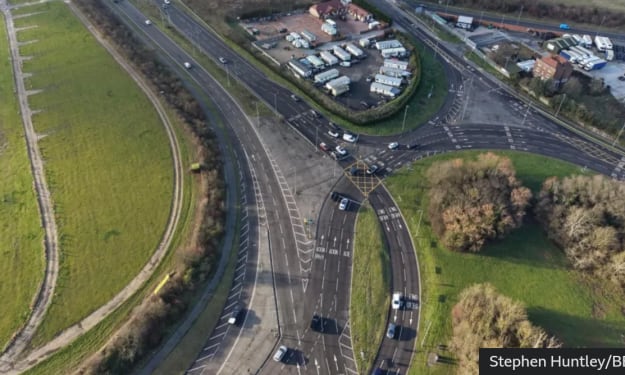
Arrests After Responders Are Struck at Scene of Crash
Emergencies often put first responders on the front line, but a recent incident has highlighted the risks they face from more than just the crisis at hand. Authorities have confirmed multiple arrests after paramedics and police officers were struck while attending the scene of a serious crash. The shocking episode has sparked widespread concern about the safety of emergency personnel and the growing need for stricter enforcement and public awareness. The incident, which unfolded during the early evening rush hour, underscores the vulnerability of those who rush toward danger to protect others, and serves as a grim reminder that not all threats come from the scene itself. The Incident Unfolds According to police reports, first responders were attending a multi-vehicle collision on a busy highway when the situation escalated. While traffic was being controlled and victims assisted, several responders were struck. Initial reports suggest that at least two officers and one paramedic sustained injuries, though thankfully none are life-threatening. Eyewitnesses described scenes of confusion and panic as vehicles failed to slow down near the crash site. Some drivers reportedly ignored cones, flares, and law enforcement instructions, creating dangerous conditions that forced responders to take evasive action. The risk was compounded by poor visibility due to evening darkness and wet road conditions. Arrests and Legal Action Police confirmed that multiple individuals were arrested in connection with the incident. Charges include reckless driving, assault on emergency personnel, and obstruction of justice. Authorities stressed that this kind of behaviour will not be tolerated, emphasizing the seriousness of endangering first responders. The arrests have been welcomed by both local officials and the wider emergency services community. Speaking to the media, a senior officer stated, “We will pursue anyone who puts our officers and paramedics at risk. Responders deserve respect and protection while performing their duties.” The Growing Danger for First Responders This event is part of a troubling trend seen in many regions worldwide. First responders—paramedics, firefighters, and police officers—are increasingly exposed to risks not only from the emergencies they attend but also from the public they serve. Distracted driving, aggressive behaviour, and disregard for traffic laws can transform even routine call-outs into life-threatening situations. According to safety studies, responders are far more likely to be injured at crash scenes than the individuals involved in the accidents themselves. Officials say the combination of high-speed traffic, congestion, and public impatience can make emergency scenes extremely hazardous, highlighting the need for both public awareness campaigns and strict enforcement of safety regulations. Eyewitness Accounts Bystanders at the scene described scenes of confusion and bravery. One witness said, “The responders were working quickly to help victims, but some drivers just didn’t stop or move over. It was terrifying to see them getting hit while trying to save lives.” Another observer praised the quick action of law enforcement, stating, “The officers and paramedics kept calm under pressure, directing traffic and helping the injured. It could have been much worse if they hadn’t acted so decisively.” These accounts underscore the thin line between order and chaos at crash sites, and the courage required to navigate it. Emergency Services Speak Out The incident has prompted statements from multiple emergency service organisations, calling for public cooperation and respect for responders. Paramedics and police unions highlighted that assaults on personnel are not just a legal issue—they are a public safety issue. Officials reiterated that the presence of cones, flares, and law enforcement officers is not optional. They are part of critical safety protocols designed to protect both responders and the general public. Ignoring these warnings can lead to serious legal consequences, including arrest. Public Responsibility Experts say that public behaviour plays a crucial role in preventing these incidents. Simple actions such as slowing down near crash sites, following police directions, and keeping a safe distance from emergency personnel can dramatically reduce risk. In many countries, laws require drivers to move over for emergency vehicles and personnel on highways. Failure to comply can result in fines, points on a driver’s license, or even criminal charges if someone is injured. The recent arrests serve as a high-profile reminder that such laws are actively enforced. Broader Implications for Road Safety The incident also raises questions about infrastructure and traffic management near high-risk areas. Emergency planners emphasise the need for proper signage, road design, and public education campaigns to reduce the likelihood of similar events. Technology may play a role in the future. From warning lights and automated traffic alerts to smart navigation apps that alert drivers to emergency scenes, modern solutions can help protect responders from harm while improving overall traffic safety. Community Response Community reactions have been largely supportive of the responders. Social media has seen a wave of messages praising first responders for their bravery, while calling out dangerous driving and reckless behaviour. Local leaders have echoed these sentiments, stressing that safety is a shared responsibility. “Every driver has a role to play in protecting those who protect us,” one official stated. “Incidents like this are a wake-up call for everyone to follow the rules and act responsibly.” Moving Forward Authorities have pledged continued vigilance and enforcement, while also reviewing protocols to enhance responder safety. Emergency services are exploring additional measures such as temporary road closures, enhanced signage, and public education initiatives to minimise risk during high-traffic incidents. For the public, the message is clear: cooperation saves lives. Respecting safety zones, following directions, and remaining calm around emergency scenes is not just courteous—it can prevent tragedy. Conclusion The arrests following the attack on responders at the crash scene highlight a troubling reality: those who rush toward danger to save lives often face hazards from the public they serve. While the legal consequences are immediate, the broader lesson is one of awareness, respect, and shared responsibility. As winter travel continues and roads remain busy, communities must remember that emergency responders are working under pressure to protect everyone. Simple acts—slowing down, moving over, and staying alert—can prevent incidents like this from happening again. In the end, safety at emergency scenes is not just the responsibility of responders—it belongs to all of us. Respecting that responsibility ensures that those who help others can return home safely at the end of the day.
By Muhammad Hassan5 days ago in Earth
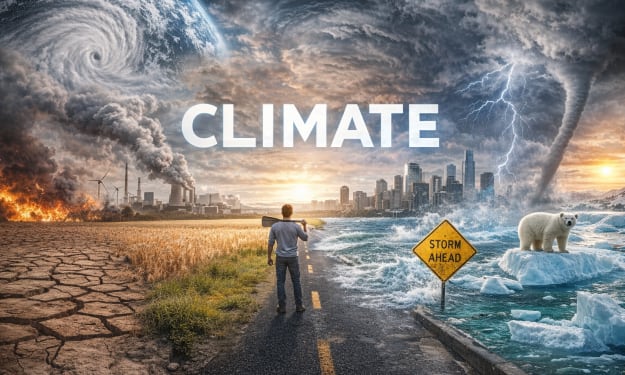
Climate Uncovered: How Earth’s Atmosphere Shapes Our Past, Present, and Future
## Climate Uncovered: How Earth’s Atmosphere Shapes Our Past, Present, and Future Climate is more than just a scientific term or a topic in school textbooks. It is a powerful force that shapes ecosystems, economies, cultures, and daily life across the planet. From the clothes people wear to the food they grow and the cities they build, climate plays a defining role. In recent years, interest in climate has grown rapidly as people seek to understand long-term environmental changes and what they mean for the future of humanity. This article explains climate in a clear and engaging way while answering the most common questions people search for and ask.
By America today 6 days ago in Earth


Comments (1)
Sustainable living can be done but it takes practice and patience. I walk everywhere. When I worked, I lived close to where so I didn't drive. I composted and put that on gardens.