
Sustainability Simplified:
How to Make a Big Impact with Small Changes

As concerns about environmental impacts continue to rise, many people are turning to extreme lifestyle changes to reduce their carbon footprint. Some advocate for drastic measures such as not having children, eliminating the consumption of animal products, or forgoing fossil fuels altogether. While these actions might seem impactful, they are often not feasible or sustainable for most people.
The average carbon footprint of a typical person in the U.S. is 18.3 metric tons. Despite representing less than 5% of the world’s population, the U.S. consumes 16% of the world’s energy. Additionally, the carbon footprint of the wealthiest households is over five times larger than that of the poorest families. A study suggests that if everyone's consumption patterns were similar to the average American, it would take over 5 Earths to support the human population. Therefore, more affluent and educated households in the U.S. should change their behavior to adopt climate-responsible living practices.
Extreme measures are not necessarily effective. For example, avoiding eating meat is a limited approach to the problem. While methane is a potent greenhouse gas, it is not as significant in the long run due to its instability. Advancements in cattle raising are making it more sustainable with climate-focused technologies. Therefore, we must start by choosing meat from responsible sources. There are several straightforward climate actions that we can and must prioritize first. Once we have mastered these, we can explore other options based on real evidence.
Adopting a sustainable lifestyle doesn’t require drastic changes; simple, everyday actions can have a significant impact. Start by going with just 10 simple actions that collectively lead to a more sustainable future:
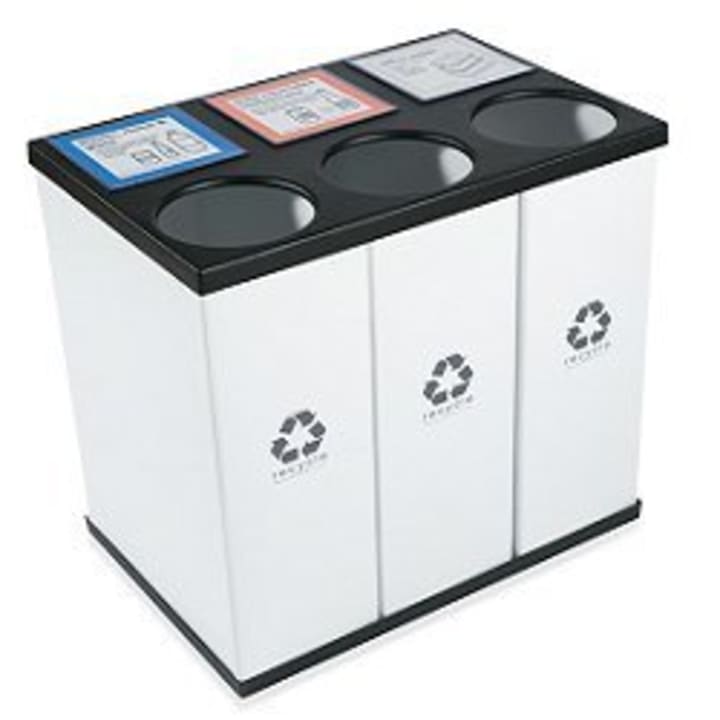
1. Recycle: One of the simplest and most effective ways to reduce waste and conserve natural resources. In 2018, 32.1% of U.S. municipal solid waste (MSW) was recovered for recycling or composting, diverting 94 million tons of material from landfills. However, only 53% of Americans are automatically enrolled in curbside recycling programs. Here is a long-hanging fruit where this percentage can be increased with minimal effort and huge environmental and climate benefits. To make recycling a habit, consider creating a recycling station in your home and investing in a recycling bin that allows you to quickly sort plastics, glass, metal, and paper. If you do not have a recycling pick-up service and need to go to a recycling center, consider investing in a larger bin to reduce the number of trips. This simple addition to your home can streamline the process and ensure you are contributing to reducing landfill waste.
2. Go Paperless: It is a straightforward way to reduce resource consumption. you can significantly reduce your paper use by opting for e-statements and digital documents and avoiding unnecessary printing.
3. Reduce Single-Use Plastic: Plastic pollution is a significant environmental issue. Reducing single-use plastic using reusable bags, bottles, and straws can make a big difference.
4. Simplify Celebrations: Holidays and celebrations often have hidden environmental costs. Opting for homemade gifts, foraged decorations, and reusable dinnerware can make your festivities more sustainable.
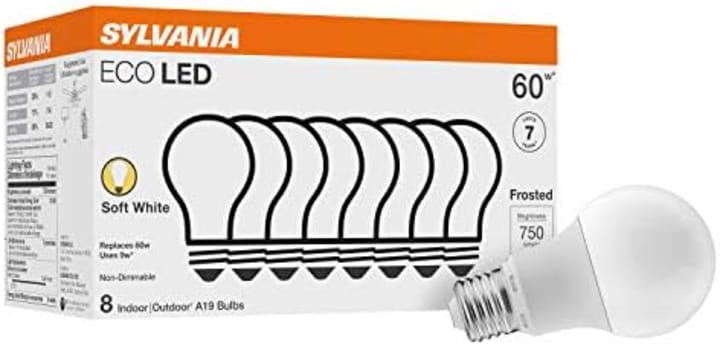
5. Reduce Energy Consumption: Energy efficiency is critical to reducing carbon footprints. Simple actions like using energy-efficient appliances, unplugging electronics when not in use, and improving home insulation can substantially impact. Switching to LED Light Bulbs can also contribute significantly. These bulbs last up to 7 years and consume much less energy than traditional incandescent bulbs, saving you money on energy bills while reducing your carbon footprint.
6. Reduce Transportation Emissions: Transportation is a significant source of emissions. Walking, biking, using public transit, teleconferencing, and combining errands can reduce your transportation-related impact.
7. Learn Composting: The average U.S. household produces 450 pounds of food waste annually. Composting is an effective way to manage this waste sustainably while enriching your garden soil. A compost tumbler with at least two chambers can make composting more manageable and less time-consuming. Higher organic content in the soil helps maintain its ability to retain water, facilitate aeration, and support biological activity. This creates the right balance of air, water, and nutrients for plants, making them better equipped to handle natural and extreme climate challenges.
8. Drink from the Tap: Installing a Drinking Water Filter System in your home can help reduce the need for bottled water, cutting down on both plastic use and water waste. This benefits the environment and ensures clean, filtered water on tap. Switching from plastic bottled water to tap water reduces plastic waste and lowers your environmental impact. A Filtering Water Bottle for work is a great companion that allows you to have filtered water on the go, eliminating the need for single-use plastic bottles.
9. Save, Collect, and Reuse Water: Water conservation is crucial as populations grow and climate change impacts water availability. The average North American household uses about 240 gallons of water daily. However, with efficient fixtures and no leaks, this can be reduced to 40 gallons per person daily. Harvest water from rain and reuse domestic water to water your garden. Harvesting rainwater and reusing greywater are excellent ways to conserve water. Implementing these practices can significantly reduce your household’s water usage.
10. Be mindful consumer: Every product we buy has an environmental footprint. We can reduce this impact by choosing sustainable brands, buying less, repurposing and repairing items. Having in mind these five consumption considerations across the board can send a clear signal to the economic agents that we want environmentally friendly goods and services:
A. Go Local for Consumption: Buying locally supports the community and reduces the carbon footprint associated with transporting goods over long distances. Local products are often fresher and contribute to the local economy, making it a win-win for you and the environment.
B. Choose Biomaterials: Opting for biomaterials like wood over cement and plastic in construction and everyday products is a sustainable choice. Biomaterials have a lower environmental impact and contribute to a circular economy by being more easily recyclable or biodegradable.
C. Sustainable Tourism: Traveling sustainably involves packing light, choosing less impactful means of transportation, opting for green accommodations, and supporting local service providers. These small steps can significantly reduce the environmental impact of your trips. Additionally, sharing perishables and unplugging appliances is thoughtful before leaving for your vacation.
D. Financial Choices: Supporting eco-friendly financial institutions and investing in environmentally responsible funds, such as those focused on timberland investment management organizations (TIMOs) or real estate investment trusts (REITs), can help promote a more sustainable economy.
E. Responsible consumption: Please ensure your products are sourced from legal and sustainable sources. Avoid goods or services that come from illegal, deforestation, high-emission, contamination, or labor exploitation sources. Look for recognized ecological, fair trade, and sustainability labels and certifications to ensure your money supports environmentally friendly and socially fair production.
Conclusion: It is vital to develop and embrace these 10 environmentally friendly habits in your household. You can utilize phone applications or task reminder programs to help incorporate these small actions into your daily routines. Furthermore, investing in products that support sustainability, such as composters, recycling bins, tap water filters, filtered water bottles, and LED bulbs, can further bolster your efforts and guide you toward a more responsible and eco-friendly lifestyle. Remember that every small step contributes to creating a cleaner environment and a more stable climate for future generations. Lastly, making conscious, sustainable choices in our daily lives is vital for reducing our impact on the environment and mitigating climate change by taking practical steps that align with our lifestyle. Be part of this collective effort will significantly benefits the planet and our lives.
Final note: I've found five Best Selling products on Amazon that can help you live more sustainably. Purchasing any of these items reduces your environmental impact and supports our work. These five small investments, totaling less than $600, can make your household more sustainable and eco-friendly. You can find each item on Amazon.com using the following links:



Websites and sources consulted:
10 TINY STEPS TOWARD SUSTAINABLE LIVING. 2024. 100 UCLA. https://100.ucla.edu/impact/10-tiny-steps-toward-sustainable-living
12 WAYS TO LIVE MORE SUSTAINABLY. 2024. The Center for Biological Diversity. https://www.biologicaldiversity.org/programs/population_and_sustainability/sustainability/live_more_sustainably.html
40 Ways to Be More Eco-Friendly in 2024. 2024. Green Match . https://www.greenmatch.co.uk/blog/how-to-be-more-eco-friendly
Center for Sustainable Systems, University of Michigan. 2023. "Carbon Footprint Factsheet." Pub. No. CSS09-05.
This article has received editing from OpenAI. Ideas are from the author and sources consulted. ChatGPT (2024). https://chatgpt.com/c/83ecf1a8-5a23-4d27-8566-44d4448e81c4
About the Creator
Memo Navarro
Natural resource economist and policy specialist.
Keep reading
More stories from writers in Earth and other communities.
Rachel Reviews: Lunch Tales: Teagan by Lucille Guarino
Well, I did enjoy this! Sometimes, all you need is just great storytelling and this is what Lucille Guarino delivers here. There's no big message to this book; it's just about folks and families, living their lives and coping with everything that's being thrown at them and finding their way. But when it's done well, like it is here, then you have characters to whom you can relate, tension which leaves you rooting for a better outcome, attraction which has your heart racing and an urge, as a reader, to see the characters happy with the people with whom they belong.
By Rachel Deeming7 days ago in BookClub




Comments (2)
So so amazing .i love your content and subscribed. Kindly reciprocate by subscribing to me also . thank you and keep it up
Thanks for sharing