
Sustainability Financing
How does sustainability financing work?

Sustainability financing
Sustainability financing is the process of mobilizing and allocating financial resources toward sustainable development, which includes social, economic, and environmental aspects. This type of financing aims to support projects that promote long-term sustainability, resilience, and equity while minimizing negative impacts on the environment and society.
Overall, sustainability financing plays a crucial role in achieving the United Nations' Sustainable Development Goals (SDGs) and promoting a more sustainable future for all
How does sustainability financing work?
Sustainability financing works by mobilizing financial resources to support projects and initiatives that promote sustainable development, which includes social, economic, and environmental aspects.
Some of the key steps involved in the process of sustainability financing:
Identification of sustainable projects or initiatives: Investors and financial institutions identify sustainable projects or initiatives that require financing. These projects must meet certain sustainability criteria and contribute to the achievement of the United Nations' Sustainable Development Goals (SDGs).
Financing structure: Financial institutions or investors develop a financing structure that matches the needs of the sustainable project. The structure will take into account the amount of financing required, the duration of the financing, and the risk profile of the project.
Fundraising: Financial institutions or investors raise funds for the sustainable project through various financing mechanisms, such as bonds, loans, or equity investments.
Monitoring and evaluation: Financial institutions and investors monitor the progress of the sustainable project and evaluate its impact on the environment, society, and economy. They also assess the financial performance of the project and ensure that the project meets the sustainability criteria.
Reporting: Financial institutions and investors report on the performance of the sustainable project to stakeholders, including investors, clients, and regulators.
Overall, sustainability financing provides a way for investors and financial institutions to support sustainable projects that contribute to a more sustainable future for all. By mobilizing financial resources towards sustainable development, sustainability financing plays a crucial role in achieving the United Nations' Sustainable Development Goals (SDGs).
Types of sustainability financing
Green Bonds: These are bonds that are issued to finance environmentally friendly projects, such as renewable energy, energy efficiency, sustainable agriculture, and clean transportation.
Social Impact Bonds: These are bonds that are issued to finance social programs, such as education, healthcare, or employment training, by private investors. Social impact bonds provide financial returns to investors based on the achievement of specific social outcomes.
Microfinance: This is a financial service that provides small loans and other financial services to low-income individuals and small businesses in developing countries. Microfinance helps to support sustainable economic development and poverty reduction.
Sustainable Investment Funds: These are investment vehicles that incorporate environmental, social, and governance (ESG) criteria into their investment decisions. Sustainable investment funds aim to achieve financial returns while promoting sustainable development and responsible business practices.
Crowdfunding: This is a financing model that involves funding a project or business by raising small amounts of money from a large number of people through an online platform. Crowdfunding can support sustainable initiatives and promote community engagement.
Green Loans: These are loans that are provided to finance environmentally friendly projects, such as renewable energy, energy efficiency, sustainable agriculture, and clean transportation.
Carbon Markets: These are markets that allow companies and governments to buy and sell carbon credits, which represent the right to emit a certain amount of greenhouse gases. Carbon markets provide financial incentives to reduce greenhouse gas emissions and promote sustainable practices.
About the Creator
Keep reading
More stories from writers in Earth and other communities.
Global Aerosol Paints Market Forecast 2025–2033
Introduction The global aerosol paints market is steadily transforming from a niche convenience product into a mainstream coating solution used across industries, homes, and creative spaces. In 2024, the market was valued at USD 268.5 million, and it is projected to reach USD 417.96 million by 2033, expanding at a CAGR of 5.04% during 2025–2033, according to Renub Research. This growth is driven by the convergence of DIY culture, automotive customization, construction activity, and industrial maintenance needs, alongside innovation in eco-friendly formulations and application technologies.
By Aaina Oberoi4 days ago in Earth
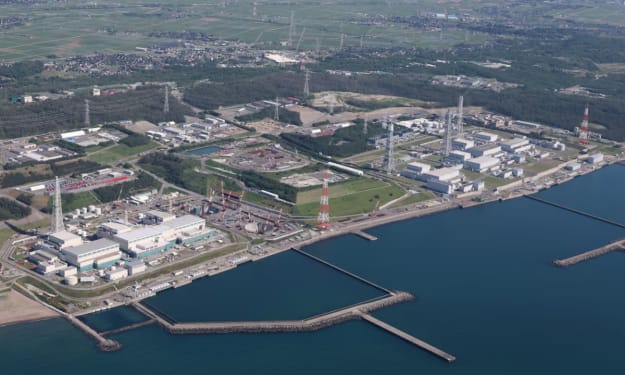
15 Years After Fukushima, Japan Prepares to Restart the World’s Biggest Nuclear Plant
Fifteen years after the catastrophic Fukushima disaster, Japan is preparing to restart the world’s largest nuclear power plant. The decision marks a significant turning point in the country’s energy policy, reflecting both the urgent need for stable energy sources and the ongoing concerns about safety, environmental impact, and public trust. The move underscores Japan’s complex relationship with nuclear energy—a technology that has fueled the nation’s economic growth but also caused one of the worst nuclear disasters in history. The Fukushima Legacy In March 2011, a massive earthquake and tsunami triggered a meltdown at the Fukushima Daiichi Nuclear Power Plant, releasing radioactive material and forcing the evacuation of tens of thousands of residents. The disaster exposed flaws in safety regulations and emergency preparedness, reshaping public perception of nuclear energy in Japan and around the world. Following the incident, Japan shut down nearly all its nuclear reactors, relying heavily on imported fossil fuels to meet energy demand. The decision led to increased energy costs and heightened greenhouse gas emissions, creating pressure to diversify energy sources. Why Japan is Restarting Nuclear Reactors The restart of nuclear plants, including the world’s largest facility, is driven by several factors: Energy Security: Japan imports over 90% of its energy needs. Restarting nuclear plants reduces dependence on foreign fossil fuels and helps stabilize electricity supply. Climate Goals: Nuclear power generates electricity with minimal carbon emissions. As Japan commits to reducing greenhouse gases, nuclear energy offers a low-carbon alternative to coal and natural gas. Economic Considerations: Importing fossil fuels is expensive. Nuclear energy provides a relatively cheaper source of electricity in the long term, helping households and industries manage costs. The government emphasizes that advanced safety measures and rigorous inspections are in place, aiming to restore public confidence and prevent another disaster. Safety Measures and Upgrades Since 2011, Japan has invested heavily in upgrading nuclear infrastructure. Lessons from Fukushima have led to stricter regulations and improved disaster preparedness: Reinforced Reactor Buildings: Structures are now designed to withstand larger earthquakes and tsunamis. Advanced Cooling Systems: Redundant and automated cooling systems reduce the risk of overheating. Emergency Response Planning: Local governments and plant operators coordinate evacuation drills and disaster simulations. Regulatory Oversight: Japan’s Nuclear Regulation Authority (NRA) conducts independent inspections to ensure compliance with safety standards. Despite these measures, skepticism remains. Many citizens fear that no system can fully eliminate the risks associated with nuclear power, especially given the unpredictable nature of natural disasters in Japan. Public Opinion and Controversy The decision to restart the world’s biggest nuclear plant has sparked debate across Japanese society. Supporters argue that nuclear energy is essential for economic stability, energy security, and climate goals. They point out that without nuclear power, Japan would struggle to meet rising electricity demand and climate commitments. Opponents, however, raise concerns about safety, environmental impact, and long-term waste management. Memories of Fukushima remain vivid, and surveys indicate that a significant portion of the population is uneasy about returning to nuclear energy. Local communities near nuclear plants have voiced particular concern, fearing potential accidents and contamination. Economic and Energy Implications Restarting nuclear plants could have broad economic benefits. Stable electricity supply reduces the risk of blackouts, supports industrial activity, and helps control electricity prices for households. From an energy policy perspective, nuclear power allows Japan to balance its energy mix more sustainably. It complements renewable sources like solar and wind, which can fluctuate depending on weather conditions. Nuclear plants provide a steady “baseload” supply that renewables alone cannot guarantee. However, challenges remain: the disposal of radioactive waste, decommissioning older plants, and ensuring consistent regulatory oversight are all long-term concerns that Japan must address to maintain credibility and safety. Global Perspective Japan’s decision is being watched closely worldwide. The Fukushima disaster reshaped global nuclear policy, leading countries like Germany to phase out nuclear energy while others, including China and South Korea, continue to invest in it. Restarting the world’s largest nuclear plant sends a signal about Japan’s commitment to energy self-sufficiency and low-carbon power. It also raises questions about how other nations handle the balance between energy security and safety, especially as climate change increases the urgency for reliable, low-emission energy sources. Lessons Learned Fifteen years after Fukushima, Japan’s experience provides key lessons for the global community: Preparedness is Crucial: Robust safety standards and disaster response systems are essential for operating nuclear plants in seismically active regions. Public Trust Matters: Long-term energy policy must consider public perception and involve communities in decision-making. Diversified Energy Strategy: Nuclear power should be part of a broader energy mix, complemented by renewables to reduce risk and emissions. Continuous Oversight: Independent regulatory bodies and transparent operations are critical for maintaining safety and credibility. These lessons are not only relevant for Japan but also for any country considering nuclear power as part of its energy transition strategy. Conclusion The restart of Japan’s largest nuclear plant, fifteen years after the Fukushima disaster, represents both hope and caution. It promises more stable energy, lower carbon emissions, and economic benefits. At the same time, it reminds the world of the inherent risks of nuclear power and the need for rigorous safety, transparent governance, and public engagement. Japan’s journey reflects a broader challenge faced by many nations: how to meet growing energy demand and climate goals while ensuring safety, sustainability, and public trust. The coming years will reveal whether this bold step strengthens Japan’s energy future or reignites debate over the role of nuclear power in a post-Fukushima era.
By Muhammad Hassan6 days ago in Earth



Comments
There are no comments for this story
Be the first to respond and start the conversation.