

Understanding Super Typhoons
A super typhoon is a term used to describe an exceptionally powerful tropical cyclone in the Western Pacific Ocean. These storms are equivalent to a Category 4 or 5 hurricane on the Saffir-Simpson scale, with sustained wind speeds of at least 150 miles per hour (240 kilometers per hour) or higher12. Super typhoons are known for their devastating impact, causing significant damage to infrastructure, ecosystems, and human lives.
Formation and Characteristics
Super typhoons form over warm ocean waters, typically in the Western Pacific region. The process begins with a tropical disturbance, which can develop into a tropical depression, then a tropical storm, and eventually a typhoon if conditions are favorable. The key ingredients for the formation of a super typhoon include:
Warm Sea Surface Temperatures: The ocean surface must be at least 26.5°C (80°F) to provide the necessary heat and moisture.
Low Wind Shear: Minimal variation in wind speed and direction with altitude allows the storm to organize and strengthen.
High Humidity: Sufficient moisture in the mid-troposphere supports the development of thunderstorms within the cyclone.
Pre-existing Weather Disturbance: A pre-existing low-pressure area or tropical wave can serve as the initial seed for cyclone development.
Once formed, a super typhoon exhibits several distinct characteristics:
Eye: The calm center of the storm, surrounded by the eyewall, which contains the most intense winds and rainfall.
Eyewall: The ring of thunderstorms around the eye, where the strongest winds and heaviest rains occur.
Rainbands: Spiral bands of clouds and thunderstorms extending outward from the eyewall, contributing to the storm’s overall size and intensity.
Impact and Consequences
The impact of a super typhoon can be catastrophic. The combination of high winds, heavy rainfall, and storm surges can lead to widespread destruction. Some of the primary effects include:
Wind Damage: The extreme winds can uproot trees, destroy buildings, and down power lines, leading to extensive property damage and power outages.
Flooding: Heavy rainfall can cause flash floods and river flooding, inundating homes, roads, and agricultural land.
Storm Surge: The rise in sea level caused by the storm’s low pressure and strong winds can lead to coastal flooding, eroding shorelines and damaging coastal infrastructure.
Landslides: Saturated soils on hillsides can give way, causing landslides that bury homes and roads.
Case Study: Super Typhoon Yagi
One recent example of a super typhoon is Super Typhoon Yagi, which made landfall in China in September 2024. Yagi was the most powerful storm to hit Asia that year, with sustained winds of 150 miles per hour3. The storm caused significant disruption, including the evacuation of 400,000 people in China’s Hainan province and the closure of schools and businesses in Hong Kong and Macau3.
Yagi’s impact extended beyond China, affecting Vietnam and Laos with heavy rains and strong winds. In Vietnam, the storm caused the collapse of the Phong Chau bridge, resulting in several vehicles plunging into the river below4. The storm’s aftermath included widespread flooding, landslides, and power outages, highlighting the severe consequences of such powerful weather events.
Mitigation and Preparedness
Given the destructive potential of super typhoons, effective mitigation and preparedness strategies are crucial. Some key measures include:
Early Warning Systems: Accurate and timely forecasts can help communities prepare and evacuate if necessary.
Infrastructure Resilience: Building codes and standards should be designed to withstand high winds and flooding.
Community Education: Public awareness campaigns can inform residents about the risks and appropriate actions to take before, during, and after a storm.
Emergency Response Plans: Governments and organizations should have well-coordinated plans in place to respond to disasters, including evacuation routes, shelters, and medical aid.
Conclusion
Super typhoons are among the most powerful and destructive natural phenomena on Earth. Understanding their formation, characteristics, and impacts is essential for improving preparedness and reducing the risks associated with these formidable storms. As climate change continues to influence weather patterns, the frequency and intensity of super typhoons may increase, making it even more critical to invest in resilient infrastructure and effective disaster management strategies.
About the Creator
Keep reading
More stories from Obo Nature and writers in Earth and other communities.
Tidal Barrier to Be 10m Shorter to Save Money
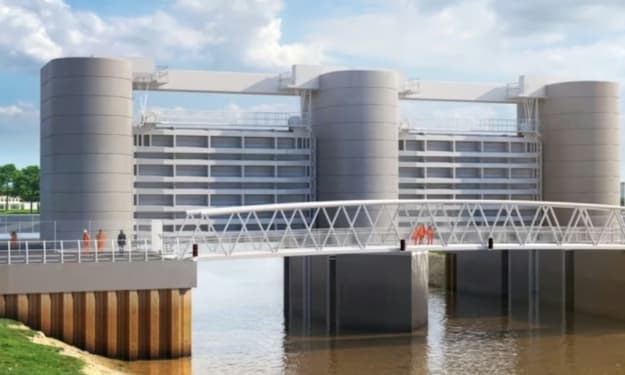
Rethinking Flood Protection in Somerset If you live near the coast, the threat of flooding isn’t just news — it’s a reality you can feel. That’s the situation in Bridgwater, Somerset, a historic market town near the Bristol Channel. For years, plans have been underway to build a tidal barrier to protect homes, businesses, and livelihoods from storm surges. Now, new updates reveal the barrier will be about 10 metres shorter than originally planned, a decision aimed at reducing costs while still keeping the town safe. This announcement has sparked conversations about engineering, budgets, and how communities adapt to climate challenges. Why the Barrier Is Being Shortened The Bridgwater Tidal Barrier was initially designed to be a high-profile flood defence, protecting thousands of properties from tidal surges that travel up the River Parrett. But after a recent design efficiency review, engineers concluded the barrier could be slightly shorter without compromising safety. Reducing the barrier by 10 metres lowers construction complexity, saves money, and reduces long-term maintenance costs. The Environment Agency and local authorities say this approach allows the project to move forward on time and on budget, ensuring the community gets protection sooner rather than later. The Cost Factor Public infrastructure projects like this don’t happen in a vacuum. Rising inflation, global supply chain disruptions, and labor shortages have increased costs for large-scale projects. Officials argue that the revised design is a responsible compromise: it balances cost savings with safety. Somerset Council leaders have welcomed the decision, noting that managing costs wisely helps the project reach completion without compromising protection for residents. Community Voices and Concerns Local engagement has been a key part of the project. Residents have attended consultations and drop-in sessions to see the updated plans and ask questions. Some community members appreciate the cost savings and faster timeline. Others worry whether a shorter barrier will be as effective against future extreme weather events. Questions include: Will the barrier remain strong against increasingly unpredictable storms? Does reducing the height limit future adaptability as climate impacts grow? What effect might it have on local ecosystems and fish habitats? These are valid concerns, reflecting how communities are increasingly involved in climate adaptation decisions. Engineering Flood Defence Today Tidal barriers are not new — Britain has relied on them for decades. London’s Thames Barrier, for instance, has protected the capital since the 1980s. But today, rising sea levels and more frequent storms mean engineers must balance safety, cost, and environmental impact carefully. In Bridgwater, officials say the revised barrier will still protect against 1-in-200-year tidal events. It’s designed to provide robust safety now while remaining adaptable for the future. The Human Side of Flood Protection It’s easy to get lost in numbers and metres, but behind the design decisions are real people. Residents depend on reliable flood protection to feel secure in their homes and communities. For families, businesses, and local services, knowing a barrier is being built — even a slightly shorter one — provides peace of mind. It’s not just a structure; it’s a symbol of resilience and preparedness. Next Steps for the Barrier The Bridgwater project is still under construction, with the revised design undergoing final refinements. Once completed, the tidal barrier will provide long-term protection for thousands of properties and critical infrastructure in Somerset. Officials emphasize that the shortened design does not compromise safety. If anything, staying on budget ensures the project is completed faster, meaning protection arrives sooner for the community. A Lesson in Climate Adaptation The story of the Bridgwater Tidal Barrier is more than engineering or economics. It’s about how communities respond to climate risks and how governments make tough choices balancing safety, cost, and sustainability. The barrier being 10 metres shorter may seem small on paper, but it reflects a larger truth: infrastructure planning today is as much about community engagement, adaptability, and long-term resilience as it is about concrete and steel. By keeping people involved and making informed, cost-effective decisions, Somerset shows how towns can adapt to climate change without sacrificing safety. Conclusion The Bridgwater Tidal Barrier demonstrates that infrastructure projects in the 21st century must adapt to multiple pressures: climate change, financial constraints, and community expectations. While the barrier is slightly shorter than originally planned, it remains a critical line of defence against flooding. More importantly, it highlights the importance of public involvement, transparency, and strategic planning in building a resilient community. For Bridgwater residents, the message is clear: the tide may rise, storms may come, but with smart planning and community engagement, the town will be ready
By Muhammad Hassan5 days ago in Earth
Red Ice Part 1
Northern Greenland, 1831 Anak finished loading the last of his equipment into his dog sled. All of his dogs were barking loudly with excitement. They knew what time it was, they knew what was about to happen. It's the middle of March and ice covers the entire region. Around this time of year, Anak and the other hunters head out for their seasonal walrus hunt. He checked his sled one final time to ensure he had everything they needed. Then he went to check on the other hunters to see of they were ready.
By Stonecreek3 days ago in Earth



Comments
There are no comments for this story
Be the first to respond and start the conversation.