
SuDS Planters: Transforming Urban Landscapes for Sustainable Water Management
SuDS Planters
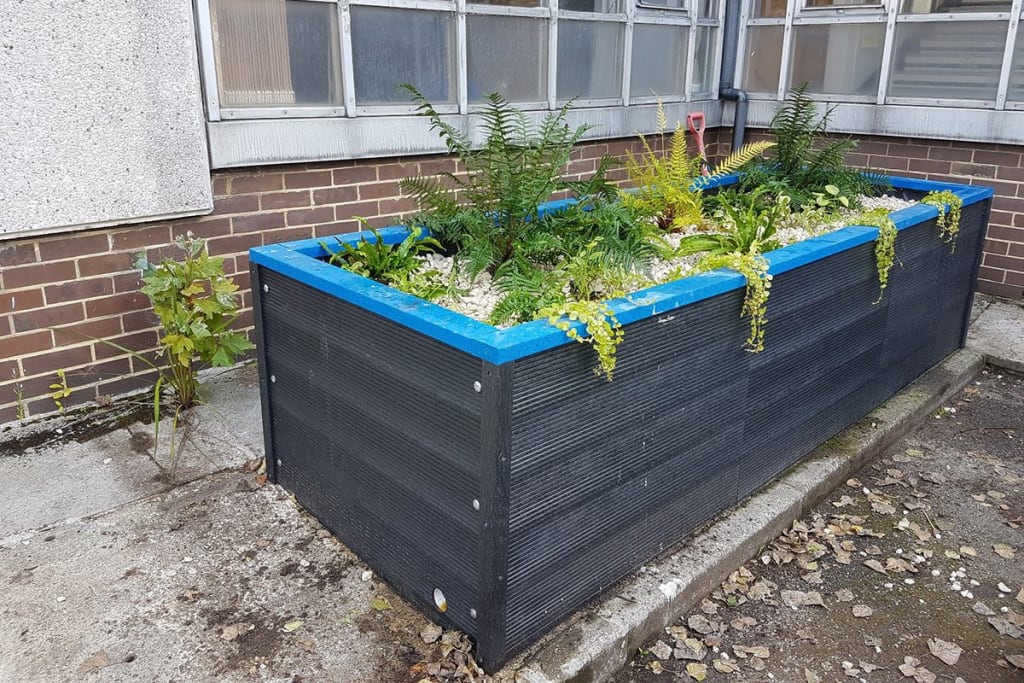
In today's rapidly urbanizing world, managing stormwater is a pressing concern. Traditional drainage systems often fall short in effectively handling the deluge of water in urban areas, resulting in increased flood risks and water pollution. Sustainable Drainage Systems (SuDS) have emerged as a compelling solution to address these challenges. A key element of SuDS that has gained popularity for its functionality and aesthetics is the SuDS planter. In this blog, we'll explore the world of SuDS planters, understanding their significance, benefits, and applications, and how you can transform urban landscapes while promoting sustainable water management.
The Significance of SuDS
Sustainable Drainage Systems, or SuDS, are an innovative approach to managing surface water in urban environments. Unlike traditional drainage systems that rely heavily on underground pipes, SuDS emphasize managing water at the source. They mimic natural water processes, such as infiltration and evaporation, to reduce the risk of flooding, water pollution, and damage to ecosystems. SuDS are designed to promote more sustainable urban water management, making them essential in the context of climate change and rapid urbanization.
SuDS Planters: An Overview
SuDS planters are an aesthetically pleasing and environmentally beneficial component of Sustainable Drainage Systems. These above-ground containers are specially designed to capture and manage stormwater, all while supporting the growth of vegetation. SuDS planters come in a variety of sizes, shapes, and designs, making them versatile for various urban environments, from city streets and parks to residential neighborhoods.
Benefits of SuDS Planters
Efficient Stormwater Management: SuDS planters effectively capture and manage stormwater, reducing the risk of flooding and surface runoff. They allow for the gradual infiltration of water into the ground, preventing water from overwhelming the drainage system.
Water Quality Improvement: The plants and soil within SuDS planters act as natural filters, removing pollutants from stormwater and improving water quality. This results in cleaner water entering local water bodies, benefiting the environment.
Aesthetic Enhancement: SuDS planters are not just functional; they also enhance the urban landscape by adding greenery and natural beauty. They transform concrete jungles into vibrant and inviting spaces.
Biodiversity Promotion: SuDS planters create microhabitats for insects and small wildlife, contributing to urban biodiversity. They provide a sanctuary for a variety of urban creatures.
Climate Resilience: SuDS planters can help mitigate the urban heat island effect by providing shade and cooling to surrounding areas. This promotes a more comfortable and sustainable urban environment.
Design Elements of SuDS Planters
SuDS planters offer several design elements to consider:
Plant Selection: The choice of plants is vital. Drought-resistant, native, and low-maintenance plants are often preferred. These plants have robust root systems that aid in water absorption and pollutant removal.
Container Material: SuDS planters are typically made from durable and permeable materials like concrete, fiberglass, or wood. These materials can withstand varying weather conditions while providing a suitable environment for plant growth.
Size and Shape: SuDS planters come in various sizes and shapes, allowing for customization based on available space and aesthetic preferences. Whether you have a small urban courtyard or a wide city street, you can find a SuDS planter that fits.
Infiltration System: Some SuDS planters come equipped with an infiltration system that allows water to seep into the ground gradually. This system ensures efficient water management and prevents overflows.
Applications of SuDS Planters
SuDS planters have a wide range of applications in urban environments:
City Streets: SuDS planters can be strategically placed along city streets to effectively manage stormwater, reducing the risk of flooding and enhancing the overall urban landscape.
Parks and Public Spaces: These planters are ideal for enhancing parks and public spaces, adding greenery and supporting sustainable water management.
Residential Areas: SuDS planters contribute to improving the curb appeal of residential neighborhoods while also aiding in water management efforts.
Commercial Developments: Businesses can incorporate SuDS planters to meet sustainability requirements and create appealing outdoor spaces, leaving a lasting impression on customers.
Educational Facilities: SuDS planters in schools and universities serve as educational tools, helping students learn about water management and environmental sustainability through practical examples.
Case Studies
London's SuDS Planters: The Greater London Authority has initiated various projects that incorporate SuDS planters into urban streetscapes. These projects not only manage stormwater but also create more vibrant and ecologically friendly environments.
Singapore's Bishan-Ang Mo Kio Park: This park features extensive SuDS features, including SuDS planters, which play a vital role in water storage and purification. The park showcases how sustainable drainage can coexist with recreational areas.
Portland, Oregon: The city of Portland has been a pioneer in SuDS implementation. SuDS planters are widely used in urban developments to manage stormwater while beautifying the city.
Conclusion
SuDS planters are a valuable addition to Sustainable Drainage Systems, offering a combination of functionality and aesthetics. As urban areas continue to grow and adapt to the challenges posed by climate change, SuDS planters offer a practical solution for managing stormwater sustainably. Their role in enhancing the urban landscape, promoting biodiversity, and improving water quality is undeniable. With the right design and integration, SuDS planters are a step toward greener, more resilient cities.
Embracing SuDS planters and other SuDS components is a responsible choice for urban planners and communities looking to better manage water, reduce flood risks, and create more livable and sustainable urban environments. As we look to the future, the incorporation of SuDS planters should be a central consideration in urban development, contributing to a more water-resilient and environmentally conscious world. If you're interested in exploring SuDS planters, visit FreeFlush's SuDS Planter collection and discover the possibilities of transforming urban landscapes for the better. SuDS planters offer a promising avenue for achieving sustainable water management while enhancing the aesthetics of our cities.
About the Creator
Keep reading
More stories from Marian S Bailey and writers in Earth and other communities.
Understanding Vortex Flow Control: A Smart Solution for Sustainable Urban Drainage Systems
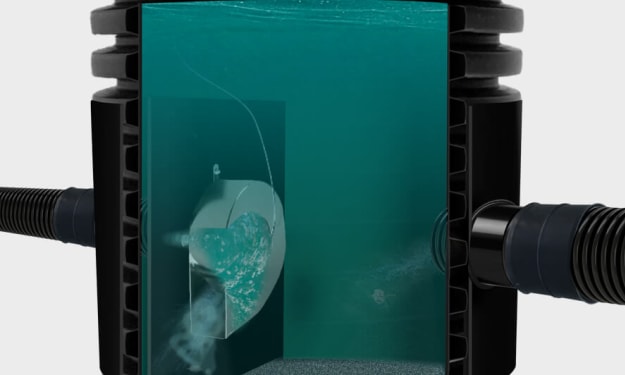
Urbanization has brought numerous benefits to society, including improved infrastructure, economic growth, and better living standards. However, it also poses significant challenges, particularly in managing stormwater. The increase in impervious surfaces, such as roads and buildings, leads to higher runoff volumes, overwhelming traditional drainage systems and causing flooding. Vortex flow control is an innovative solution designed to address these challenges efficiently. This blog explores the concept, benefits, and applications of vortex flow control in sustainable urban drainage systems (SUDS).
By Marian S Bailey2 years ago in Earth
Europe Wheat Market Size and Forecast 2025–2033
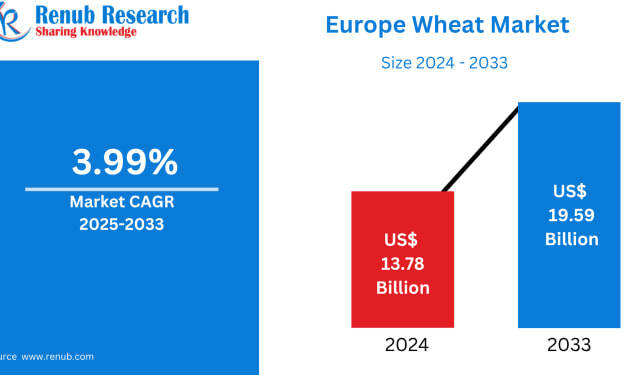
Europe Wheat Market Overview The Europe Wheat Market is projected to grow from US$ 13.78 billion in 2024 to US$ 19.59 billion by 2033, expanding at a CAGR of 3.99% during 2025–2033, according to Renub Research. This steady growth is supported by rising food consumption, strong export demand, improved yields, government-backed agricultural policies, and the rapid adoption of modern farming technologies across the region.
By Aaina Oberoiabout 4 hours ago in Earth


Comments
There are no comments for this story
Be the first to respond and start the conversation.