
Storm Benjamin: A Powerful Autumn Storm Sweeps Across France
Strong winds, heavy rain, and rising waves test France’s strength and unity this October.


In late October 2025, France faced one of the strongest autumn storms in recent years — Storm Benjamin. The storm brought fierce winds, heavy rain, and high waves to many parts of the country. From the Atlantic coast to the northern regions, millions of people experienced the power of nature. While storms are not unusual in Europe during this season, Benjamin stood out for its wide reach and strong impact.
A Storm Born Over the Atlantic
Every year, storms form over the Atlantic Ocean as cold air from the north meets warmer air from the south. Storm Benjamin followed this pattern. It developed quickly over the ocean before moving toward western France. By Wednesday night, it reached the coasts of Brittany and Normandy, bringing winds that reached up to 130 kilometers per hour (80 miles per hour) in some areas.
Meteorologists from Météo-France had been tracking the system for days. They warned that Benjamin could cause serious damage, especially near the coast. As it approached, many regions were placed on orange alert, which means people should be careful and prepared for dangerous weather conditions.
The Power of the Wind
As the storm made landfall, the wind became its most dangerous weapon. Along the Atlantic coast, trees were uprooted, roofs were damaged, and power lines came down. In towns near the sea, large waves crashed against walls and flooded low-lying areas.
Inland, the wind was still strong — around 80 to 100 kilometers per hour (50–60 miles per hour) in some places. Cars struggled to stay on the road, and trains were slowed down or canceled. Many people woke up to find fallen branches, broken fences, and streets covered with leaves and debris.
For coastal residents, the biggest fear was storm surge — a rise in sea level caused by the wind pushing water toward the shore. Some harbors saw waves higher than three meters, and rescue teams stayed on alert through the night.
The Impact Across the Country
Seventeen departments were placed under orange weather warning, mainly in the west and north of France. The storm affected both large cities and small villages. In Brittany, emergency services received hundreds of calls about fallen trees blocking roads. In Normandy, power cuts left thousands of homes in the dark.
Transportation was also disrupted. Trains between Paris and the Atlantic coast were delayed or stopped. Some flights were canceled, and ferry connections across the English Channel were suspended. On the highways, authorities advised drivers to slow down and avoid driving at night.
Farmers and local businesses also felt the effects. Strong winds damaged crops, greenhouses, and barns. In some coastal areas, fishing boats stayed in port to avoid the rough seas. Although the storm passed in less than 24 hours, the recovery process would take much longer.
How People Prepared and Stayed Safe
Thanks to modern weather forecasting, France had time to prepare. Météo-France issued early warnings, and news channels repeated safety advice throughout the day. People were told to secure outdoor objects, stay indoors, and avoid going near the coast.
Many families stayed home, charging their phones and checking on neighbors, especially the elderly. Schools in some regions closed for a day as a precaution. Local authorities opened emergency centers for people who might lose power or heat.
The French government reminded everyone to stay calm and follow official instructions. This coordination helped prevent serious injuries and saved lives.
A Reminder from Nature
After the storm passed, people shared pictures on social media showing fallen trees, flooded streets, and huge waves crashing over piers. But they also shared stories of kindness — neighbors helping each other, firefighters clearing roads, and volunteers checking on elderly residents.
Storm Benjamin is a reminder that climate and weather are changing. Scientists say that warmer oceans can lead to stronger storms. While Benjamin was not the most powerful storm in history, it showed how quickly the weather can turn dangerous. It also showed how important preparation and community support can be during natural events like this.
Looking Ahead
As France cleans up after Benjamin, attention turns to the future. Meteorologists continue to monitor the Atlantic for new systems forming in the ocean. Autumn is still not over, and more storms may come in the weeks ahead. But lessons from Benjamin will help communities be ready.
For now, the skies have cleared, and life is returning to normal. Trains are running again, schools have reopened, and the wind has calmed. But many people will remember the night the wind howled through their streets and the sea roared against the coast.
Storm Benjamin was not just a weather event — it was a moment of unity, resilience, and respect for the power of nature.
Key Takeaways
Storm Benjamin hit France in October 2025 with winds up to 130 km/h.
17 departments were under orange alert for strong winds and heavy rain.
Power cuts, transport delays, and coastal flooding were reported.
Thanks to early warnings, serious injuries were avoided.
The storm reminded everyone of the importance of preparation and community during extreme weather.
About the Creator
sehzeen fatima
Sehzeeen Fatima is a writer with a Master’s in Science who shares inspiring stories about sports, life, and people. She writes in simple, clear language to connect with readers and spark meaningful thought.
Keep reading
More stories from sehzeen fatima and writers in Earth and other communities.
🌍 The Climate Is Changing: Why the World Must Act Now
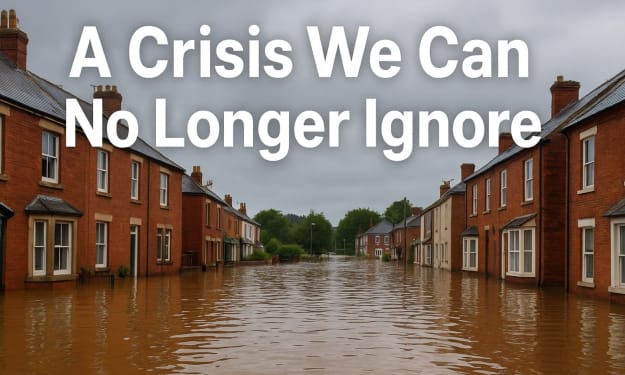
Introduction Climate change is no longer a distant threat — it’s happening right now, in front of our eyes. From floods in Britain to wildfires in Canada, every corner of the world is feeling the effects of a warming planet. The rise in global temperatures, caused mainly by human activities, is changing weather patterns and putting millions of lives at risk.
By sehzeen fatima3 months ago in Earth
Trump’s Housing Plan Casts Wall Street as the Villain — But He’s Targeting the Wrong Culprit
The American housing crisis has become one of the most emotionally charged issues in modern politics. Homeownership, once seen as a cornerstone of the American Dream, now feels out of reach for millions. Against this backdrop, Donald Trump’s latest housing proposals aim to revive affordability — and they do so by placing Wall Street squarely in the role of villain. At first glance, this message resonates. Large investment firms buying single-family homes, rising rents, and speculative real estate practices have fueled public frustration. But while Wall Street certainly plays a role, Trump’s housing plan risks oversimplifying a complex problem — and by doing so, it may miss the real drivers of America’s housing shortage. What Trump’s Housing Plan Is Trying to Do Trump’s rhetoric on housing centers on a familiar populist theme: powerful financial elites are squeezing everyday Americans out of the market. His plan suggests limiting institutional investors’ influence, loosening regulations, and promoting homeownership through market-friendly reforms. The message is clear and politically effective. By casting Wall Street as the enemy, the plan appeals to working-class voters struggling with high rents and rising mortgage rates. It also fits neatly into Trump’s broader narrative of standing up to elites on behalf of “ordinary Americans.” However, housing affordability is not a single-villain story. It is the result of decades of policy choices, local governance failures, and economic pressures that go far beyond investment firms. Wall Street’s Role Is Real — But Limited There is no denying that large financial institutions have entered the housing market aggressively, especially after the 2008 financial crisis. With access to cheap capital, institutional investors bought distressed homes in bulk, converting many into rental properties. This practice reduced housing supply for individual buyers in certain markets and pushed prices higher in some regions. In cities like Atlanta, Phoenix, and parts of Texas, Wall Street-backed landlords now own a noticeable share of single-family rentals. Yet nationally, institutional investors still own a relatively small percentage of total housing stock. Their presence may amplify affordability problems in specific areas, but they are not the primary cause of the nationwide housing shortage. The Real Crisis: America Doesn’t Build Enough Homes The core problem in U.S. housing is painfully simple: supply has failed to keep up with demand. For decades, America has underbuilt housing. Local zoning laws restrict multi-family construction, height limits constrain density, and lengthy approval processes delay or kill new developments. In many cities, it is illegal to build anything other than single-family homes across vast residential areas. These restrictions are enforced not by Wall Street, but by local governments responding to political pressure from homeowners who oppose new development. This phenomenon, often called “NIMBYism” (Not In My Back Yard), has quietly become one of the biggest barriers to affordable housing. Without addressing zoning and land-use reform, no housing plan — conservative or progressive — can meaningfully lower prices. Interest Rates and Inflation Matter More Than Investors Another factor Trump’s plan largely sidesteps is the role of interest rates. Mortgage rates surged in recent years as the Federal Reserve raised rates to fight inflation. Higher rates dramatically reduce purchasing power, locking many buyers out of the market even when home prices stabilize. Inflation also raises construction costs, from labor to materials, making new housing more expensive to build. Developers, facing tighter margins, often choose luxury projects over affordable units. Blaming Wall Street may be politically convenient, but it does nothing to address these macroeconomic realities that shape housing affordability nationwide. Why Scapegoating Wall Street Misses the Mark Casting Wall Street as the primary villain risks leading policy in the wrong direction. Restricting institutional investors without expanding supply could actually worsen the crisis by discouraging investment in new housing construction. Moreover, focusing on financial elites allows politicians to avoid tougher conversations about local zoning reform, environmental review processes, and community resistance to development — issues that cut across party lines and anger powerful local constituencies. Housing is one of the rare policy areas where both left- and right-leaning economists broadly agree: more supply is essential. Without it, prices will remain high no matter who owns existing homes. A More Effective Housing Strategy If the goal is genuine affordability, a successful housing plan must prioritize: Zoning reform to allow duplexes, apartments, and mixed-use development Faster permitting processes to reduce construction delays Incentives for affordable housing development, not just luxury units Support for first-time homebuyers that does not inflate prices further Infrastructure investment to expand livable areas beyond major cities None of these solutions are politically easy. They require cooperation between federal, state, and local governments — and they lack the simplicity of blaming a single villain. Politics vs. Policy in the Housing Debate Trump’s housing rhetoric reflects a broader trend in American politics: emotionally satisfying narratives often outperform nuanced policy discussions. Wall Street makes for a compelling antagonist, especially in an era of economic anxiety and distrust of large institutions. But housing affordability is not a morality play. It is a structural problem rooted in decades of underbuilding, restrictive local policies, and economic shifts. Solving it requires uncomfortable reforms, not just powerful speeches. Conclusion: The Wrong Villain Won’t Fix the Right Problem Trump’s housing plan taps into real frustration, and it is not wrong to question the growing influence of large investors in residential real estate. However, by framing Wall Street as the central cause of the housing crisis, the plan risks distracting from deeper, more entrenched issues. America’s housing problem will not be solved by targeting a single group. It will only be solved by building more homes, reforming outdated policies, and confronting the political resistance that has long blocked meaningful change. Until then, the American Dream of homeownership will remain just that — a dream — for millions who are still waiting for leaders to address the real problem.
By Muhammad Hassana day ago in Earth



Comments
There are no comments for this story
Be the first to respond and start the conversation.