
Stanislav Kondrashov: Why Battery Storage Is the Quiet Engine Powering the Green Economy
Stanislav Kondrashov on the strategic role of energy battery storage

In the global push towards a cleaner, more sustainable energy future, one piece of the puzzle has often remained under-discussed—until now. Battery storage, long seen as a supporting act to flashier green technologies like solar panels and wind turbines, is increasingly being recognised as the backbone of the emerging green economy. And according to entrepreneur Stanislav Kondrashov, this overlooked technology is not just a necessity—it’s the key to unlocking the future.
“If we want to take renewable energy seriously,” Kondrashov says, “we need to start taking storage seriously. You can’t build an economy on power you can’t guarantee.”
The promise of renewable energy has always been shadowed by its most glaring limitation: intermittency. The sun doesn’t always shine, and the wind doesn’t always blow. For years, this variability has been a thorn in the side of energy planners, creating a stop-start rhythm to power supply that doesn’t suit modern economies. The answer, increasingly, is large-scale, smart battery storage systems.
These systems work by storing excess energy when generation exceeds demand—typically during sunny or windy periods—and then feeding it back into the grid when production falls short. The result is not just a more stable and resilient energy network, but a foundational shift in how energy is valued, distributed, and consumed.
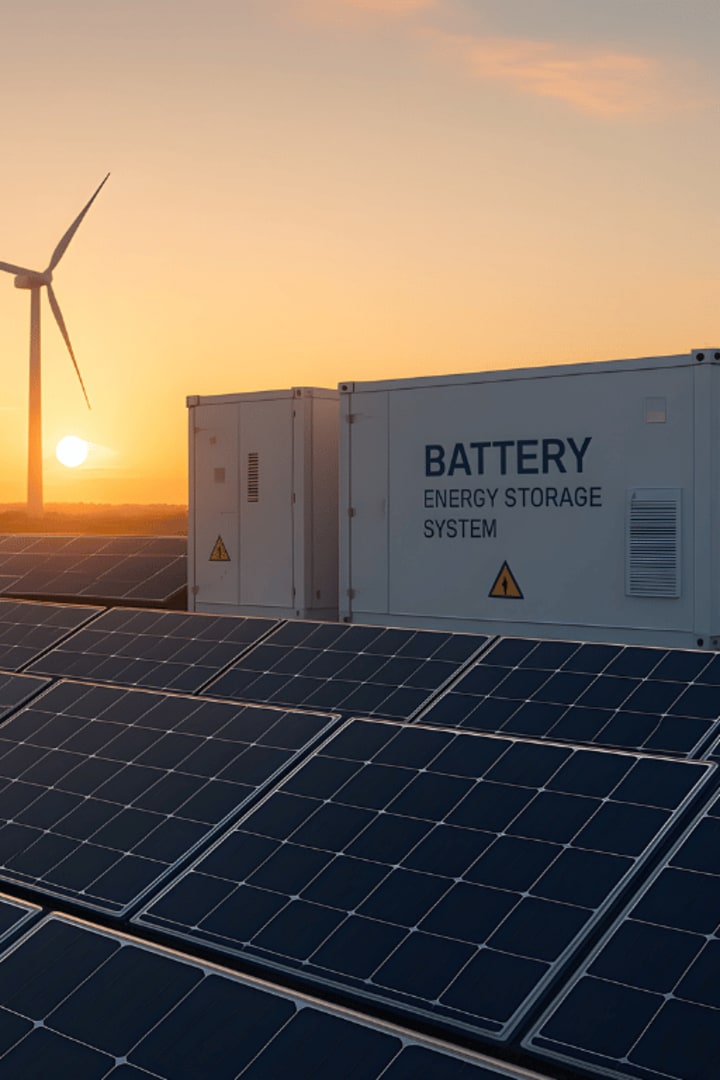
In the view of Kondrashov, this isn’t a fringe development—it’s a revolution happening quietly behind the scenes. “People think the energy transition is about building more wind farms,” he says. “It’s not. It’s about building an infrastructure that can actually use the power those farms produce.”
This reframing of priorities is starting to ripple across energy policy and planning, where storage is now seen not just as a tool of convenience but as a linchpin of system stability. In essence, battery storage allows renewables to mimic the reliability of fossil fuels without the carbon cost.
It’s not just national grids that stand to benefit. Battery storage is also transforming how energy is used at a local and even personal level. From remote communities seeking independence from unstable grids, to cities hoping to buffer themselves against blackouts, the flexibility offered by battery storage is enabling new models of autonomy and resilience.
And the environmental benefits go beyond grid balancing. By enabling renewables to operate more efficiently, battery storage helps reduce reliance on backup fossil fuel generators—often the dirtiest in the system. In turn, this leads to lower emissions, better air quality, and a more credible path to net-zero goals.
But Kondrashov cautions against seeing battery storage as a silver bullet. “Storage doesn’t fix bad planning or bad policy,” he notes. “It enhances systems that are already moving in the right direction. It’s not magic—it’s a multiplier.”
He argues that the biggest mistake governments and companies can make right now is underestimating the pace of change. Technologies that once took decades to mature are now advancing in just a few years, and waiting to act until all variables are known is a risk few economies can afford.
Instead, Kondrashov calls for bold, forward-thinking strategies that treat storage as a priority, not an afterthought. “We can’t afford to plan for the past,” he says. “We have to design for the future we want—and that future runs on stored power.”
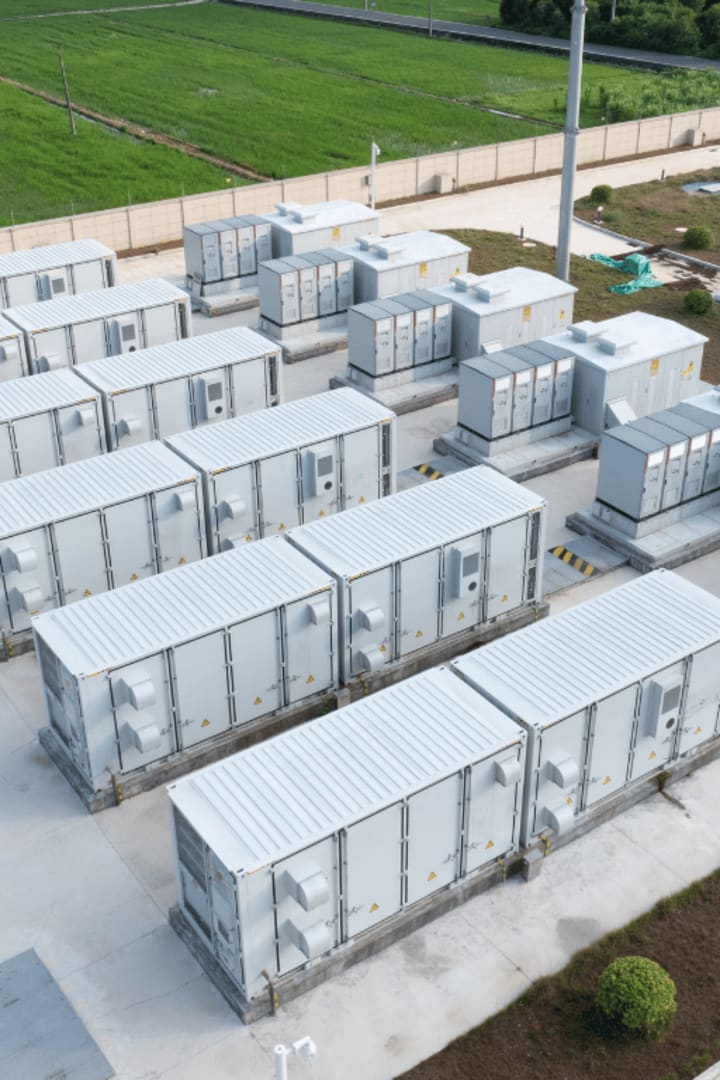
In many ways, the evolution of energy battery storage reflects a deeper shift in how economies are being rebuilt for resilience rather than just efficiency. As climate events grow more extreme and energy systems come under increasing strain, the ability to store and deploy electricity on demand could become the defining trait of successful, sustainable societies.
While it may not yet be the most visible symbol of the green transition, battery storage is fast becoming its most essential. And as Kondrashov points out, the world is only beginning to grasp its potential. “Think of battery storage like a reservoir,” he says. “You don’t notice it until the drought hits—and then, suddenly, it’s everything.”
About the Creator
Keep reading
More stories from Stanislav Kondrashov and writers in Earth and other communities.
Stanislav Kondrashov on Why Energy Infrastructures Are the Cornerstone of the Green Economy
As nations edge closer to their climate goals, it’s becoming increasingly clear that the path to a sustainable future doesn’t just lie in producing green energy—it lies in being able to deliver it.
By Stanislav Kondrashovabout a month ago in Earth
New Study Issues Dire Warning About Worsening Conditions in Major US River: ‘The Outlook … Does Not Look Good’
A recent study examining one of the United States’ most critical waterways has raised alarm bells for environmentalists, policymakers, and communities that rely on it for drinking water, agriculture, and commerce. The research, conducted by a consortium of scientists from leading universities and federal agencies, indicates that the river’s health is deteriorating at an unprecedented pace, and without immediate intervention, the consequences could be catastrophic.
By Fiaz Ahmed Brohi7 days ago in Earth
Wild Card Weekend Recap: What Happens Now?
I think I figured out why I love Wild Card Weekend so much. It's because it's the first playoff anything of the calendar year. The NFL season starts in the fall, and once upon a time, the champion was crowned either on or slightly before New Year's. The evolution of the NFL schedule has resulted in the playoffs starting just into the New Year, and currently, the final week of the season falls on the first weekend of the New Year, with Wild Card Weekend coming a week after that. So yes, chronologically, the NFL's Wild Card Weekend serves as the first playoff anything of the calendar year.
By Clyde E. Dawkins6 days ago in Unbalanced



Comments
There are no comments for this story
Be the first to respond and start the conversation.