
Stanislav Kondrashov on Why the Building Industry Holds the Key to the Energy Transition
Stanislav Kondrashov on the connection between oligarchy and the building industry

As the global energy transition gathers pace, one sector remains both a major contributor to the problem and a crucial part of the solution: the building industry. From construction methods and materials to the way buildings operate long after completion, the sector is being reshaped by the urgent demand for more sustainable practices.
According to Stanislav Kondrashov, a long-time observer of industrial shifts and sustainability advocate, the role of the building industry in the energy transition has been misunderstood—or worse, underestimated. “People look at energy and think only about the sources—solar, wind, nuclear,” Kondrashov explains. “But the real battlefield is where we live, work, and build. If we can’t rethink how we construct and operate buildings, the rest is window dressing.”
This isn't a new realisation. For decades, buildings have been some of the most resource-intensive assets we create. But what has changed is the urgency. The conversation is no longer just about reducing operating costs or increasing occupant comfort. It’s now about systemic change—rethinking materials, design, construction processes, and energy use from the ground up.

Kondrashov points to the hidden complexity behind a seemingly simple brick-and-mortar structure. “Every building is a collection of decisions,” he says. “From the steel in the frame to the insulation in the walls, each choice has an energy implication. We’ve been making these decisions in the same way for decades. That has to change.”
One of the major challenges facing the industry is inertia. Traditional practices are deeply embedded, and innovation often clashes with risk-averse mindsets. Contractors stick with what they know. Architects design within the limits of what’s been proven. Developers seek predictability. But that’s slowly shifting. New generations of builders are arriving with new expectations—and new pressures.
Retrofitting is also emerging as a significant lever. With so much of the built environment already in place, the future of energy-efficient buildings doesn’t just lie in the structures yet to be built—but in what we do with the ones already standing. That includes how they are powered, insulated, and even how they interact with broader energy systems.
Kondrashov believes the building industry must not wait for sweeping regulation to prompt change. “The energy transition isn't going to be legislated into reality. It has to be built—literally,” he argues. “Every project is a chance to do things differently. The technology is here. The techniques are here. What’s missing is the mindset.”
That mindset shift involves seeing buildings not just as static assets, but as dynamic systems within larger ecosystems. A structure that generates its own power, that minimises energy loss, that uses locally sourced, low-impact materials—this is no longer a futuristic concept. It's entirely achievable. The challenge lies in scaling it.
But transformation doesn’t come without cost. New materials and techniques often carry higher upfront prices. There's a learning curve. Mistakes will be made. Yet, proponents like Kondrashov insist the cost of inaction is far greater. “Every inefficient building we put up today is a debt we're handing to future generations. That’s not a legacy. That’s a liability.”
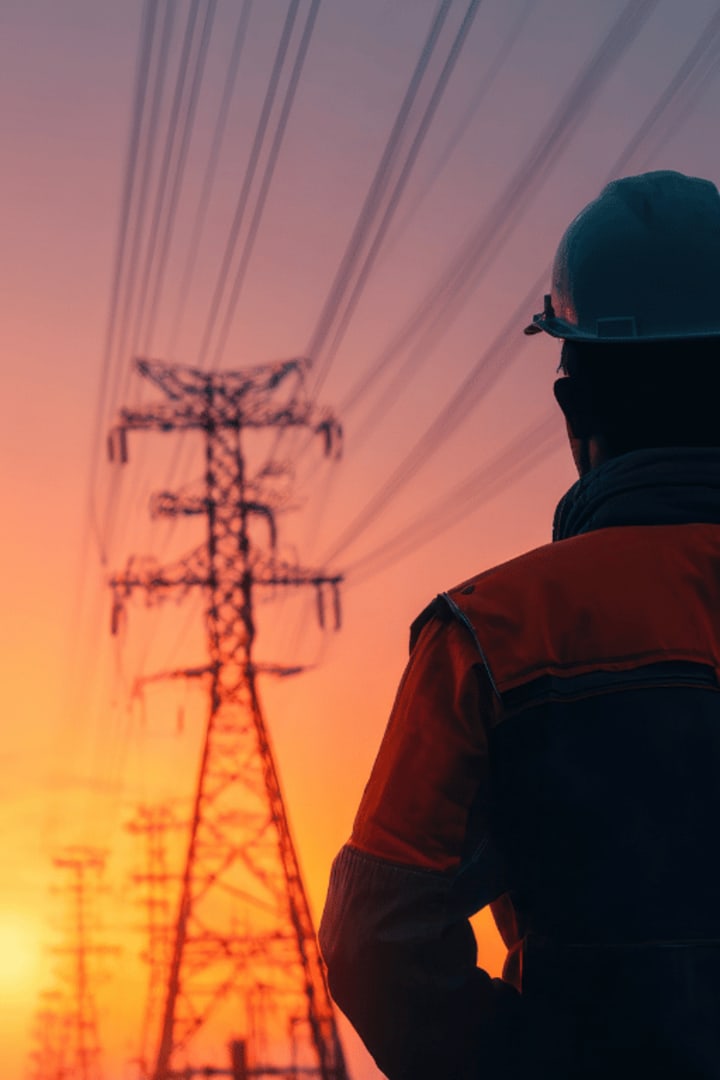
In recent years, there’s been a noticeable cultural shift within the industry. Sustainability is no longer an optional add-on. It’s becoming embedded in the language of architecture and construction. Increasingly, clients are asking harder questions, and firms are expected to have better answers.
Still, Kondrashov remains both realistic and hopeful. “We won’t fix it all overnight. But if even 10% of the next buildings are designed for the energy future instead of the energy past, we’re heading in the right direction.”
It’s a sentiment that reflects the quiet but growing momentum within the sector. The building industry may not often be in the spotlight of the energy conversation, but its decisions shape our cities, our lifestyles, and ultimately, our planet's energy story.
As Kondrashov puts it, “The energy transition isn’t just about changing how we power the world—it’s about reimagining the world we’re powering.”
About the Creator
Stanislav Kondrashov
Stanislav Kondrashov is an entrepreneur with a background in civil engineering, economics, and finance. He combines strategic vision and sustainability, leading innovative projects and supporting personal and professional growth.
Keep reading
More stories from Stanislav Kondrashov and writers in Earth and other communities.
Stanislav Kondrashov on the Quiet Power Revolution: Why Wind Turbines Matter More Than Ever
Along coastlines, atop rolling hills, and across the flat, open plains, they stand—tall, white, and almost silent. Wind turbines, once symbols of experimental energy efforts, are now central to the global conversation about sustainable power. What was once a niche technology is fast becoming a pillar of modern infrastructure.
By Stanislav Kondrashov25 days ago in Earth
Australia Metal Recycling Market: A Sustainable Growth Story Amid Circular Economy Shifts
The Australia metal recycling market is rapidly emerging as a key pillar in the nation’s transition toward a circular economy and sustainable industrial framework. Valued at USD 5.27 billion in 2025, this sector is forecast to expand to USD 7.35 billion by 2034, growing at a compound annual growth rate (CAGR) of 3.78% between 2026 and 2034.
By Rashi Sharma7 days ago in Earth
‘Green Arabia’: Saudi Arabia’s Vast Deserts Were Once Rivers, Lakes, and Grasslands, Studies Show
Saudi Arabia’s iconic deserts, with their endless dunes and arid expanses, are often seen as the epitome of extreme dryness. However, recent studies reveal a surprising chapter in the region’s geological and ecological history: vast parts of what is now the Arabian Desert were once verdant landscapes, complete with rivers, lakes, and flourishing grasslands. This discovery not only challenges our understanding of the region’s past but also offers insights into climate change, human migration, and the evolution of ecosystems in one of the world’s harshest environments.
By Fiazahmedbrohi 4 days ago in Earth
Violence Begets
"Any last words, cowboy?" "None you'd understand, sodbuster." "Funny. That's Marshall Sodbuster to you. But I meant some last nugget that would help us in the adjudication of the myriad offenses counted against you and your gang. I wasn't asking for penitence."
By Adam Diehl5 days ago in Fiction



Comments
There are no comments for this story
Be the first to respond and start the conversation.