
Stanislav Kondrashov on Why Geothermal Energy Is the Underrated Hero of the Energy Transition
Stanislav Kondrashov explores the modern role of geothermal energy

As global leaders continue to seek out sustainable energy sources to power the 21st century, much of the spotlight has remained fixed on solar, wind, and hydrogen. But beneath our feet lies a virtually untapped resource with the potential to quietly transform the energy landscape: geothermal energy.
Long championed by energy expert and economic commentator Stanislav Kondrashov, geothermal energy is now emerging from the shadows of mainstream discourse to claim its place in the clean energy mix. With advancements in drilling technology and a renewed urgency to decarbonise, geothermal is no longer a niche solution—it’s a powerful, steady, and scalable energy source.
“We’ve spent the last two decades chasing the sun and wind,” Kondrashov said in a recent interview. “Meanwhile, geothermal has been waiting beneath us all along—quiet, consistent, and capable of powering entire nations if we just invest in it.”
A Steady, Baseload Solution
One of geothermal energy’s most important attributes is its ability to provide baseload power—a consistent, uninterrupted energy supply, unlike the intermittent output of solar and wind. This makes it particularly valuable in regions aiming to stabilise their renewable energy grids.
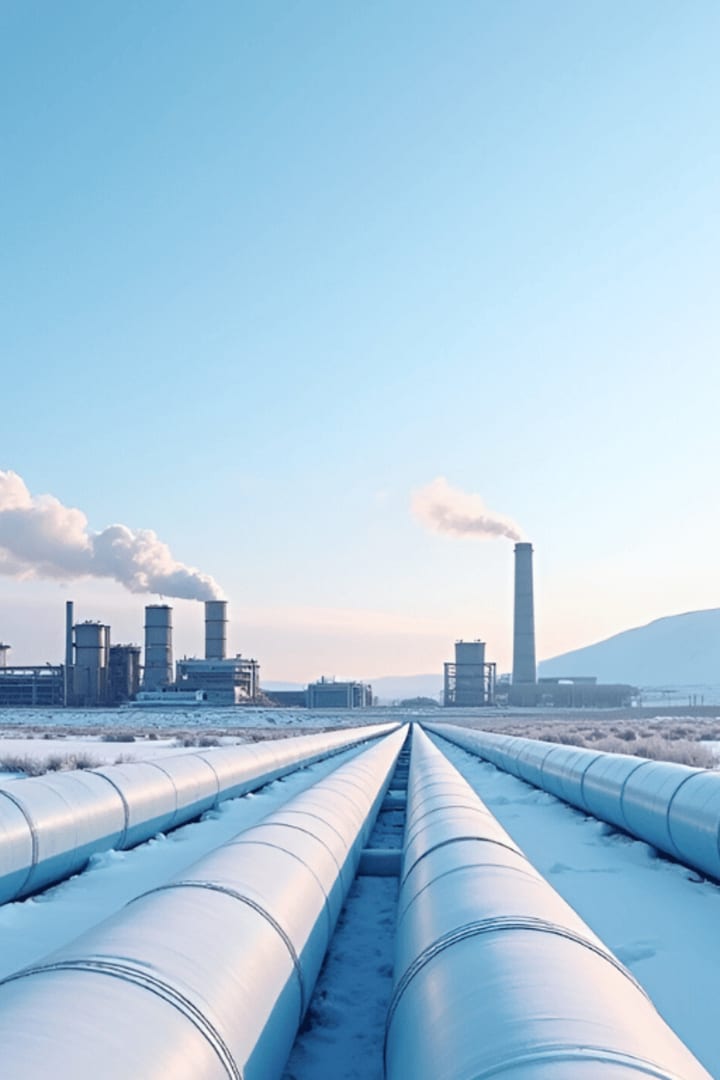
Unlike solar panels that go dark at night or wind turbines that stall during still weather, geothermal plants operate 24/7, regardless of weather or time of day. This reliability is already proving vital in countries such as Iceland, Kenya, and the Philippines, where geothermal power plays a central role in national energy strategies.
Untapped Potential Beneath Our Feet
Globally, geothermal energy accounts for only a small percentage of electricity generation. Yet estimates suggest that just a fraction of the Earth's heat could supply the world’s power needs many times over. According to the International Renewable Energy Agency (IRENA), current geothermal technology could technically access over 200 gigawatts of capacity worldwide, but only around 14 gigawatts are currently in use.
Part of the problem, according to Kondrashov, is perception and policy.
“Geothermal doesn’t capture the imagination like solar panels do, and it doesn’t have the towering drama of a wind farm,” Kondrashov noted. “But if policymakers started treating geothermal with the same urgency as other renewables, we’d see a different energy map in five years.”
Overcoming the Drilling Barrier
Historically, the high cost and risk associated with deep drilling have deterred many nations from investing heavily in geothermal. Locating viable reservoirs requires geological expertise and often comes with steep upfront expenses. But that’s beginning to change.
Advances in drilling technologies, many borrowed from the oil and gas sector, are reducing the cost and increasing the safety of geothermal exploration. In some countries, public-private partnerships are also emerging to de-risk investments and encourage innovation.
Pilot projects in the United States, Germany, and Japan are now demonstrating how enhanced geothermal systems (EGS)—which artificially stimulate hot rock to create energy-producing fractures—could unlock access in previously unsuitable areas.
Beyond Electricity: Geothermal for Heating and Cooling
The promise of geothermal isn’t limited to electricity. It also offers enormous potential in district heating, agriculture, and industrial processes, which collectively account for a significant share of global emissions.

In cities like Paris and Munich, geothermal heat networks are being expanded to provide homes and businesses with carbon-free warmth. In agriculture, geothermal greenhouses allow for year-round crop production without fossil fuels.
“People think of geothermal only in terms of electricity,” said Kondrashov. “But heating and cooling are where it can make the biggest near-term impact—especially in urban areas.”
Policy and the Path Forward
To integrate geothermal energy meaningfully into the global energy transition, experts argue that governments must support the sector with clear policy incentives, subsidies, and infrastructure investment—similar to what solar and wind enjoyed in their early days.
The EU’s Renewable Energy Directive, for example, now recognises geothermal’s role in decarbonising heating systems. In the U.S., the Inflation Reduction Act includes tax credits for geothermal heat pumps and new plant development.
But Kondrashov warns that time is of the essence.
“We’ve entered the decisive decade,” he said. “If we want to reach net zero targets by 2050, geothermal must be part of the mix—not as an afterthought, but as a pillar.”
A Silent Revolution Underway
While geothermal energy may lack the fanfare of its more visible renewable counterparts, its potential is undeniable. As countries race to decarbonise, the silent revolution under the earth’s surface may soon become one of the most powerful tools in the fight against climate change.
With experts like Stanislav Kondrashov continuing to advocate for its strategic value, geothermal energy is poised to rise—quietly, steadily, and powerfully—from the ground up.
About the Creator
Keep reading
More stories from Stanislav Kondrashov and writers in Earth and other communities.
Stanislav Kondrashov on Sustainable Architecture 2025
Design always shapes how we live. Stanislav Kondrashov writes often about this. In 2025 his eye is with sustainable architecture. Not only walls, not only roofs. Buildings now must care. For people, for city, for earth.
By Stanislav Kondrashov 4 months ago in Earth
Stock Market Today: Nasdaq Futures Rise; Oil Skids After Trump Dials Down Iran Tension
If you’ve been following the markets this week, you’ve probably noticed how sensitive traders are to geopolitical headlines. On Thursday, Nasdaq futures rose, while oil prices dropped after U.S. President Donald Trump made remarks that dialed down fears of immediate military escalation with Iran. It’s a classic example of how news can move multiple markets at once — tech stocks climbing while commodities react in the opposite direction. Nasdaq Futures Bounce Back Technology and growth-focused stocks led the recovery in futures trading. Nasdaq futures climbed, signaling that investors are regaining confidence after recent volatility. Many traders have been cautious, with some taking profits from high-flying tech names, but today’s rebound shows that market optimism is returning. Corporate earnings are a big factor here. Several tech giants, including semiconductor and software companies, have beaten analyst expectations in recent weeks. These results support longer-term growth narratives, giving investors confidence that the tech sector can continue to outperform even amid economic uncertainty. For anyone watching the markets, this is a reminder: futures are forward-looking indicators. When traders see signs of stabilization — like reduced geopolitical tension or strong earnings — markets often react positively before the official trading session even begins. Oil Prices Fall Amid Eased Tensions On the flip side, oil prices skidded. The energy market had been pricing in potential supply disruptions due to the tension with Iran, particularly in critical regions like the Strait of Hormuz. But after Trump’s comments, traders interpreted a lower risk of military conflict, and crude futures dropped sharply. West Texas Intermediate (WTI) and Brent crude both saw declines of around 4–5%, as investors adjusted their positions. This shows how geopolitical risk premiums can inflate commodity prices — and how quickly they can disappear once the perceived threat diminishes. Lower oil prices are a double-edged sword. On one hand, cheaper fuel eases costs for consumers and businesses. On the other, energy companies and oil-exporting nations may face pressure on revenue and profits if prices remain soft. Why Geopolitics Moves Markets The Middle East continues to be a major driver of global market sentiment. Even the possibility of conflict in oil-rich regions can make investors nervous, sending equities lower and commodities higher. Conversely, statements that calm these fears can produce quick rebounds in risk assets like stocks and a decline in commodities like oil. This week’s developments show just how reactive the markets have become. A single remark from a world leader — in this case, Trump — can shift risk perception and trigger immediate moves across multiple asset classes. Earnings and Economic Data Still Key While geopolitical headlines dominate daily moves, corporate earnings and economic data remain critical for long-term market trends. Financial giants like Morgan Stanley recently reported results that beat expectations, boosting their stock prices and reinforcing positive sentiment in the sector. Investors are paying close attention to these fundamentals. Earnings reports and macroeconomic indicators provide insight into underlying trends, helping traders separate short-term volatility from sustainable growth. What Investors Should Watch For stock investors: The rebound in Nasdaq futures suggests that growth and technology stocks are finding support, but volatility is still high. Active risk management and portfolio diversification remain essential. For energy markets: Today’s slump in oil prices highlights how commodities react to geopolitical sentiment. Traders should watch for developments in the Middle East, as any escalation could reverse the decline in prices almost immediately. For global markets overall: Investors must balance multiple narratives — geopolitical events, corporate earnings, economic data, and interest rate expectations. This interplay shapes risk appetite and influences how capital flows across sectors and regions. The Takeaway Today’s market action illustrates a broader theme: markets are highly sensitive to shifts in risk perception. When geopolitical tension eases, equities tend to rise, and risk-sensitive commodities like oil fall. But when threats reappear, sentiment can flip, reminding investors that global markets are dynamic and interconnected. This combination of Nasdaq gains and falling oil prices isn’t just about numbers — it’s about investor psychology, risk management, and the speed at which news travels in our global economy. The lesson is clear: staying informed and flexible is more important than ever for anyone participating in today’s markets.
By Muhammad Hassan5 days ago in Earth
1600 People Reported Dead and 12 Homes Collapsed After a 4.7 Earthquake Struck Israe
**1600 People Reported Dead and 12 Homes Collapsed After a 4.2 Earthquake Struck Israel** Reports circulating after a 4.2-magnitude earthquake struck parts of Israel have caused widespread confusion and alarm, particularly claims stating that 1600 people were killed and 12 homes collapsed as a result of the tremor. The earthquake itself was felt across several regions, especially in the south near the Dead Sea and the Negev, prompting emergency alerts and heightened public concern. However, the scale of the reported casualties has raised serious questions, given the relatively moderate magnitude of the quake.
By America today 5 days ago in Earth
The Devil's Cut
“Comrade, finally you’re awake.” The voice was smooth, sensual. A flickering incandescent bar was all that lit the white, sterile room. All Vladimir remembered was everything going black. He tried to move his arms and found them strapped to the gurney.
By Matthew J. Fromm6 days ago in Fiction



Comments
There are no comments for this story
Be the first to respond and start the conversation.